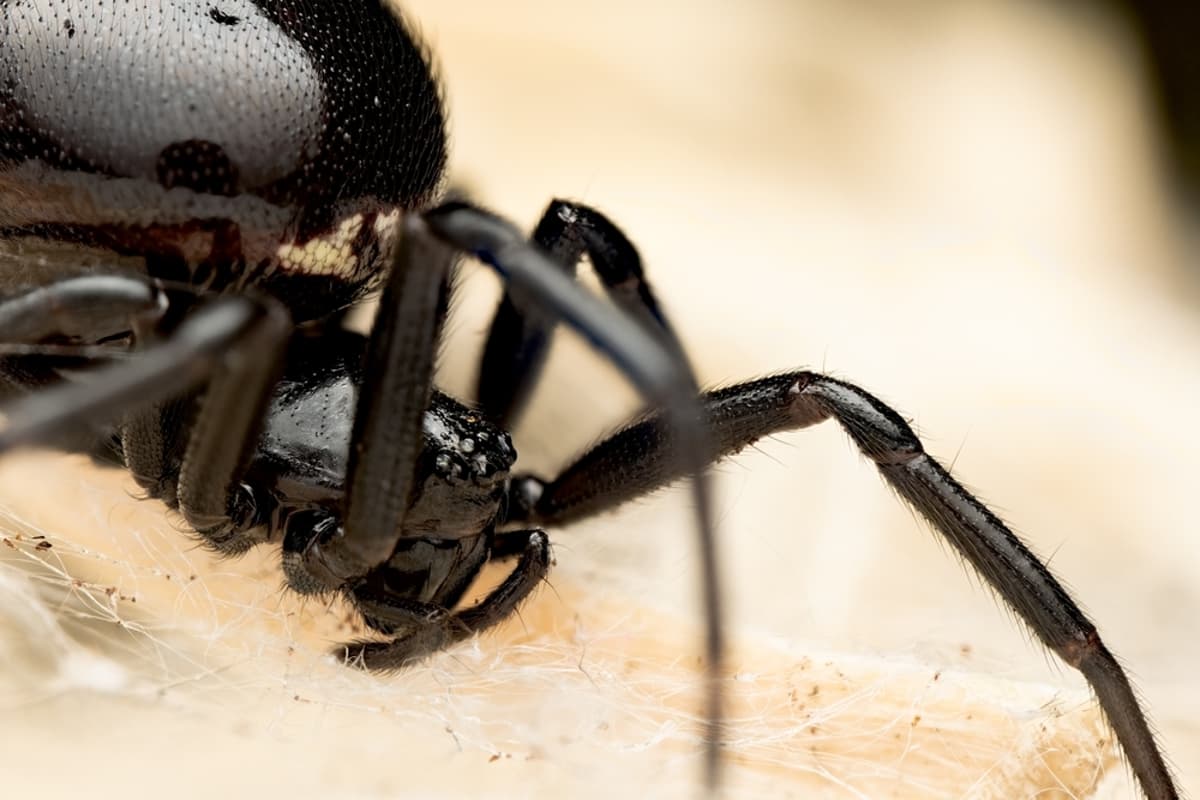
This Dangerous Spider Is Spreading Across London – and It’s Been Found at One of the City’s Most Iconic Attractions
Why It Matters
The expanding presence of false widows raises public‑health concerns and highlights how milder winters are reshaping urban wildlife patterns, prompting municipalities to adapt safety protocols.
Key Takeaways
- •Hospital admissions from spider bites doubled from 47 to 100 (2015‑2025).
- •False widows now common in London, Kent as milder winters arrive.
- •Redbridge Council issued official warnings about venomous false widows.
- •Schools and Buckingham Palace gardens reported infestations, prompting closures.
- •Experts warn bites rare, but bacteria can cause severe infections.
Pulse Analysis
The false widow spider (Steatoda nobilis) has transitioned from a regional curiosity to a city‑wide nuisance in recent years. Researchers attribute the north‑south shift to a combination of climate change and urban heat islands, which soften winter lows and create hospitable micro‑habitats in gardens, basements, and building façades. As milder winters become the norm, these adaptable arachnids are expanding beyond their historic stronghold in the southwest, establishing footholds in densely populated districts such as London and Kent. This ecological migration mirrors broader patterns of species redistribution driven by rising temperatures, underscoring the need for updated urban biodiversity monitoring.
From a public‑health perspective, the spike in NHS admissions—from 47 cases in 2015 to 100 in 2025—signals heightened exposure rather than a surge in venom potency. While false widow bites are generally comparable to a wasp sting, the real danger lies in secondary bacterial infections that can lead to sepsis or, in extreme cases, amputation. Health officials therefore advise prompt wound care and monitoring, especially for vulnerable populations. The data also suggest that increased media coverage may be inflating perceived risk, a point emphasized by zoologists who note that many reported bites are likely misattributed.
Local governments have responded with targeted communication campaigns and, in some instances, school closures when infestations reach critical levels. Redbridge Council’s formal warning exemplifies a proactive stance, urging residents to inspect homes and seek medical attention for unexplained skin reactions. Simultaneously, ecologists remind the public that false widows play a beneficial role in controlling pest insects, reinforcing the importance of balanced risk management. As climate trends continue, authorities and citizens alike will need to monitor spider populations, refine response protocols, and educate communities to mitigate health concerns while preserving ecological value.
This dangerous spider is spreading across London – and it’s been found at one of the city’s most iconic attractions
Comments
Want to join the conversation?
Loading comments...