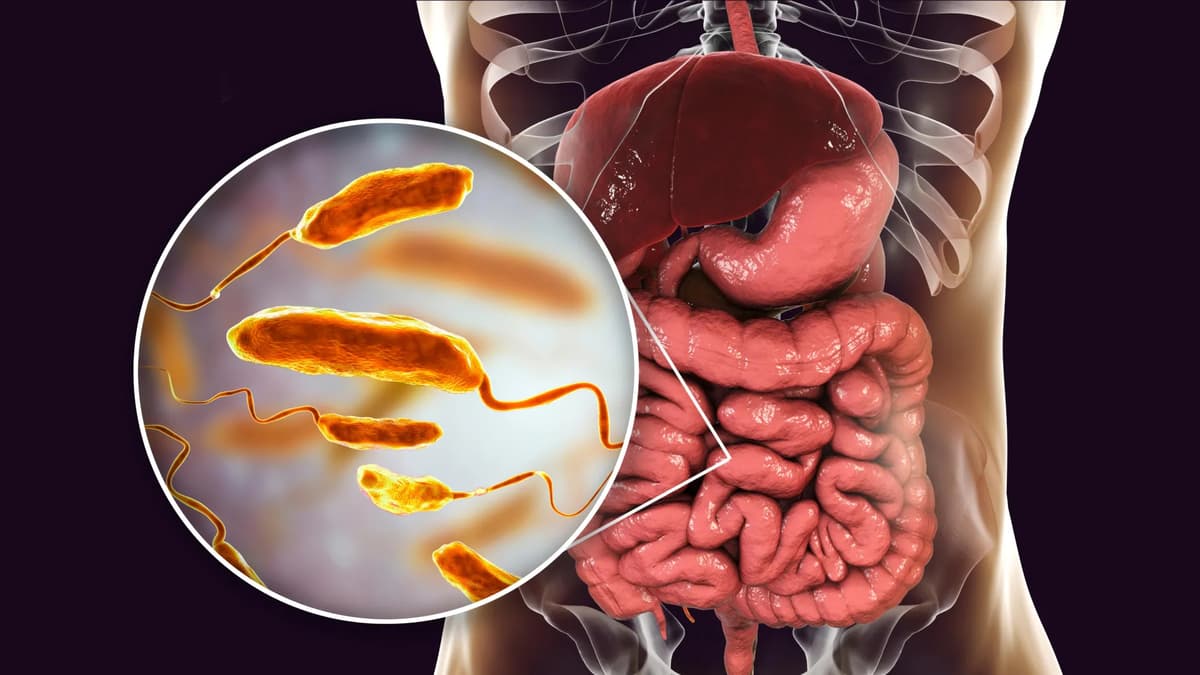
This Diet Could Slash Cholera Infections by up to 100x
Why It Matters
A protein‑focused diet offers a scalable, inexpensive way to lower cholera risk and lessen reliance on antibiotics, addressing a major public‑health challenge in low‑resource settings.
Key Takeaways
- •High‑protein casein/gluten diet cuts cholera colonization 100‑fold
- •Fat‑rich diets show minimal effect on infection
- •Protein interferes with cholera’s T6SS toxin‑delivery system
- •Dietary approach offers low‑cost, resistance‑free prevention
- •Mouse results suggest potential human gut microbiome benefits
Pulse Analysis
Cholera remains a persistent threat in areas lacking clean water, accounting for hundreds of thousands of cases annually. While oral rehydration salts save lives, the disease’s severity often hinges on bacterial load and toxin production. Traditional interventions rely on antibiotics, which risk fostering resistance and add cost burdens. Nutrition‑based defenses, however, tap into the gut’s ecological balance, offering a complementary shield that aligns with broader public‑health goals of preventive care and resource efficiency.
The UCR study uncovers a mechanistic link between dietary protein and bacterial virulence. Casein and wheat gluten appear to suppress the type 6 secretion system (T6SS), a molecular syringe cholera uses to outcompete resident microbes and deliver toxins. By neutralizing T6SS, these proteins diminish the pathogen’s ability to dominate the intestinal niche, effectively starving it of the competitive edge it needs to cause disease. Translating mouse findings to humans will require clinical trials, but the underlying principle—modulating the microbiome through targeted nutrients—resonates with emerging precision‑nutrition research.
If validated in humans, protein‑rich dietary guidelines could become a low‑cost, culturally adaptable tool for cholera‑endemic regions. Governments and NGOs might integrate casein‑oriented food aid with existing water‑sanitation programs, reducing reliance on costly pharmaceuticals. Moreover, the approach could extend to other enteric infections that exploit similar secretion systems, broadening its impact. As antibiotic resistance looms, leveraging safe, widely available foods to fortify gut defenses represents a forward‑looking strategy that merges nutrition science with infectious‑disease control.
This diet could slash cholera infections by up to 100x
Comments
Want to join the conversation?
Loading comments...