This Everyday Disruption Was Linked To A 50% Higher Dementia Risk
Why It Matters
Disrupted circadian patterns emerge as a measurable risk factor for dementia, prompting clinicians and tech firms to prioritize rhythm‑tracking and interventions. The insight could shape preventive strategies and drive demand for sleep‑health solutions.
Key Takeaways
- •Weaker daily rhythms raise dementia risk by ~50%.
- •Fragmented activity patterns increase risk 19%.
- •Late‑day peak activity linked to 1.45× higher dementia odds.
- •Consistent sleep, light exposure, and movement can support brain health.
Pulse Analysis
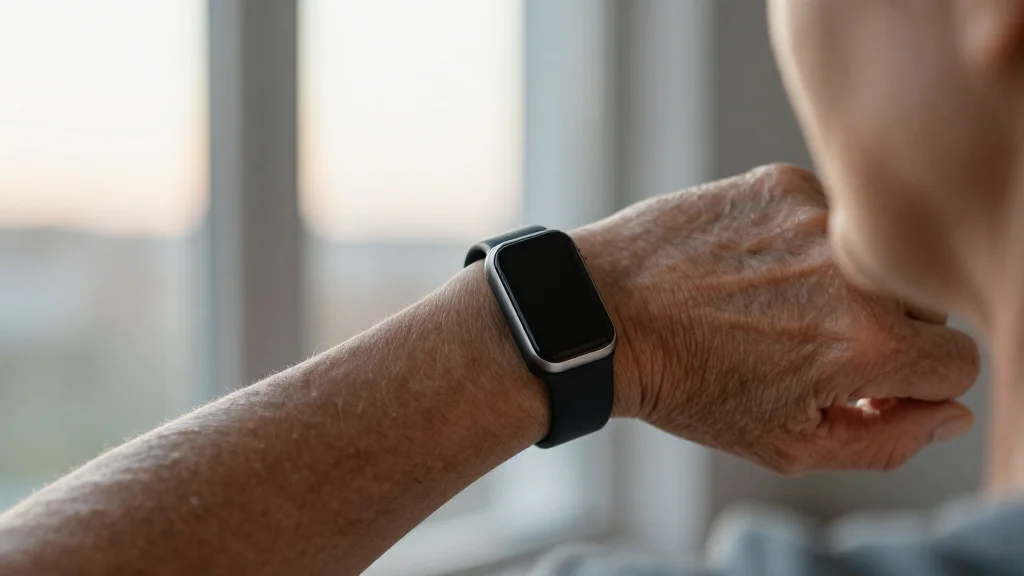
The Neurology‑published study followed roughly 2,200 adults averaging 79 years old, equipping them with two‑week motion sensors to capture real‑time activity cycles. Over three years, 176 participants developed dementia, and statistical analysis revealed that each decrement in circadian strength corresponded to a 50% jump in risk. By moving beyond self‑reported sleep logs, the research provides objective evidence that the regularity of daily activity—when you move, rest, and eat—holds predictive power for cognitive aging.
Scientists propose several biological pathways linking a misaligned internal clock to neurodegeneration. Disrupted rhythms impair the brain’s nightly waste‑clearance system, allowing beta‑amyloid and tau proteins to accumulate. They also elevate systemic inflammation and oxidative stress, both known to erode neuronal health. Moreover, circadian misalignment can destabilize cardiovascular regulation, reducing cerebral blood flow and oxygen delivery, while hampering neuroplastic repair processes that follow a daily schedule. These mechanisms suggest a bidirectional relationship: early brain changes may further disturb the clock, creating a feedback loop.
For businesses, the findings translate into market opportunities across wearables, sleep‑tech, and wellness coaching. Devices that monitor activity amplitude and timing can flag at‑risk users, while apps that enforce consistent light exposure, meal timing, and movement schedules become valuable preventive tools. Healthcare providers may soon integrate circadian assessments into routine geriatric screenings, driving demand for evidence‑based interventions. Ultimately, aligning daily habits with the body’s natural clock offers a low‑cost, high‑impact strategy to bolster brain health and potentially curb the growing dementia burden.
This Everyday Disruption Was Linked To A 50% Higher Dementia Risk
Comments
Want to join the conversation?
Loading comments...