This NHS Fibre Target Most of Us Miss Could Secretly Be Key to Making Your Skin Look Healthier and Plumper
Why It Matters
Fiber’s impact on skin offers a low‑cost, diet‑based strategy to improve appearance while supporting cardiovascular and metabolic health, creating crossover value for both health and beauty markets.
Key Takeaways
- •NHS recommends 30 g fiber daily; adults average 20 g
- •Higher fiber boosts short‑chain fatty acids that strengthen skin barrier
- •SCFAs reduce inflammation, helping diminish acne, eczema, and wrinkles
- •Whole‑food fiber sources outperform supplements for gut‑skin benefits
- •Gradual fiber increase with ample water minimizes bloating
Pulse Analysis
The push for higher dietary fiber has long centered on heart disease, diabetes and colorectal cancer, yet consumer interest is shifting toward its cosmetic payoff. Recent surveys show a growing segment of health‑conscious shoppers seeking skin‑friendly foods, prompting nutritionists to spotlight the NHS’s 30‑gram benchmark as a simple, evidence‑based target. By framing fiber as a dual‑benefit nutrient, brands can tap into a broader wellness narrative that resonates with both medical and beauty audiences.
Scientific advances illuminate why fiber matters beyond the gut. When gut microbes ferment fiber, they produce short‑chain fatty acids—primarily acetate, propionate and butyrate—that enter circulation and modulate the skin’s barrier integrity. These metabolites enhance moisture retention, tighten tight junctions, and blunt chronic low‑grade inflammation, a key driver of wrinkles and barrier disruption. The 2025 Journal of Investigative Dermatology paper demonstrated that participants with higher fiber intakes exhibited measurable improvements in skin hydration and reduced transepidermal water loss, underscoring a tangible link between diet and dermal health.
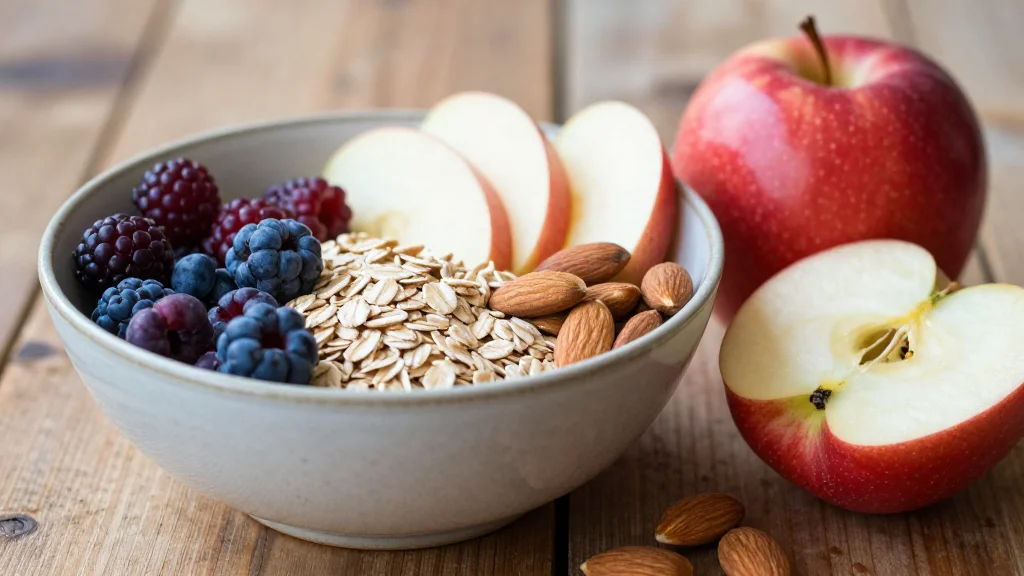
For consumers, the practical path is straightforward: prioritize whole‑food sources such as oats, legumes, whole‑grain breads, fruits, and vegetables, and increase intake gradually while staying well‑hydrated. Dietitians caution against relying on isolated fiber supplements, noting that whole foods deliver synergistic nutrients—antioxidants, polyphenols, and healthy fats—that collectively support a balanced microbiome and protect against oxidative stress. This nuanced approach opens opportunities for food manufacturers and skincare brands to co‑create gut‑skin wellness products, leveraging the growing evidence that a simple dietary tweak can yield both health and aesthetic dividends.
This NHS fibre target most of us miss could secretly be key to making your skin look healthier and plumper
Comments
Want to join the conversation?
Loading comments...