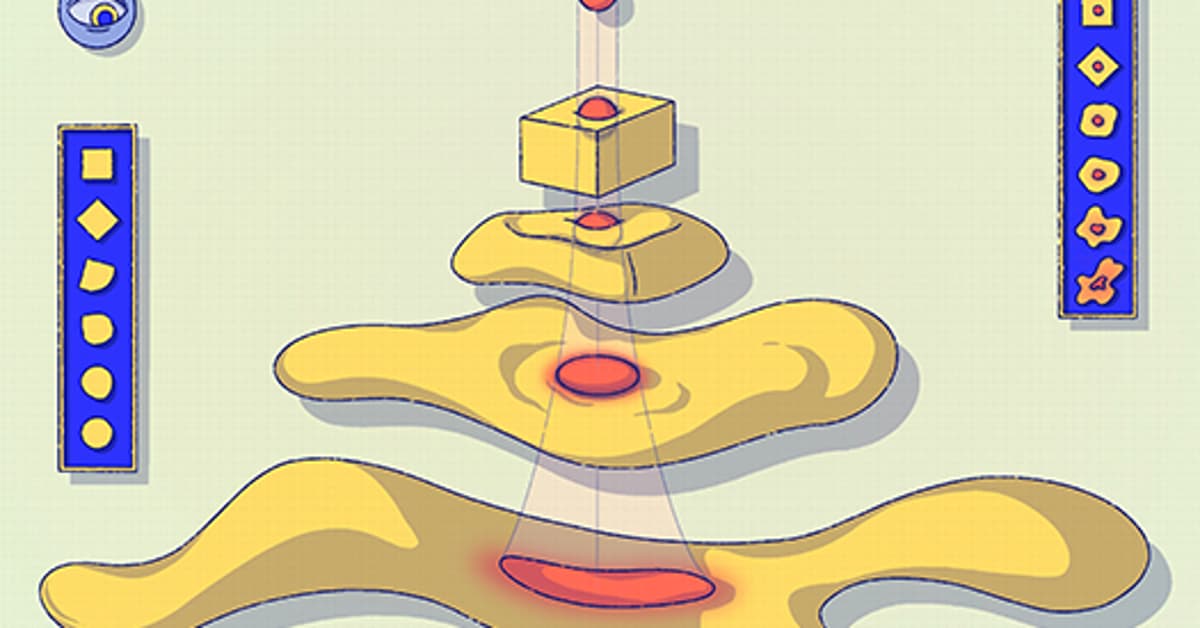
This Paper Changed My Life: Learning the Molecular Rules of Cell Identity
Why It Matters
The finding that one transcription factor can rewire cell fate opened the door to induced pluripotent stem cells and direct lineage conversion, accelerating regenerative medicine and precision neuroscience.
Key Takeaways
- •MyoD alone reprograms fibroblasts into muscle cells
- •Demonstrated “master regulator” concept for cell identity
- •Inspired Yamanaka’s four‑factor induced pluripotent stem cells
- •Guided transcription‑factor codes for direct neuronal conversion
- •Highlights network nodes with outsized influence on fate
Pulse Analysis
The 1987 Cell paper that identified MyoD as a single‑gene driver of muscle fate marked a paradigm shift in biology. By using subtractive hybridization to isolate a cDNA uniquely expressed in myoblasts, the authors showed that transfecting fibroblasts with MyoD activated a full muscle program. This elegant experiment disproved the prevailing view that cell identity was immutable after development, positioning transcription factors as decisive levers rather than passive downstream effectors. The concept of a “master regulator” quickly spread beyond muscle biology, prompting researchers to search for analogous nodes in other lineages.
Decades later, MyoD’s legacy manifested in the creation of induced pluripotent stem cells (iPSCs) by Yamanaka’s four‑factor cocktail, a Nobel‑winning breakthrough that proved somatic cells could be reverted to a pluripotent state. Building on that, scientists have refined direct conversion methods, swapping MyoD‑like factors for neuronal, cardiac, or pancreatic programs without an intermediate stem‑cell stage. In neuroscience, defined transcription‑factor codes now generate specific neuron subtypes, offering scalable models for neurodegenerative disease and potential cell‑replacement therapies. The original MyoD experiment thus serves as a blueprint for rational reprogramming across tissues.
Looking forward, the challenge lies in pinpointing the most influential network nodes for each target cell type. Advances in single‑cell genomics and CRISPR screening are accelerating the discovery of such “high‑impact” factors, echoing MyoD’s outsized influence on cellular architecture. As the field converges on precise, safe reprogramming protocols, the promise of repairing damaged organs or restoring lost neuronal function becomes increasingly tangible, all rooted in the simple insight that a single gene can rewrite cellular destiny.
This paper changed my life: Learning the molecular rules of cell identity
Comments
Want to join the conversation?
Loading comments...