Why It Matters
The record‑breaking fir demonstrates Taiwan’s role as a biodiversity hotspot and a natural carbon sink, informing conservation priorities in a region vulnerable to climate change. It also showcases a scalable model for integrating advanced remote‑sensing technology with public participation to map critical forest assets.
Key Takeaways
- •Taiwan's LiDAR survey identified 941 trees over 213 ft tall.
- •The tallest tree, a Taiwania fir, measures 276 ft (25 stories).
- •Remote sensing combined with crowdsourced image review enabled discovery.
- •Tallest trees cluster on steep, humid cloud‑forest slopes.
- •Findings highlight Taiwan as East Asia's premier giant‑tree habitat.
Pulse Analysis
Taiwan, an island roughly the size of Maryland and 60 percent forested, has long been a hidden reservoir of biodiversity. A decade‑long effort by the “Taiwan Tree Seekers,” a multidisciplinary team of ecologists, geologists, remote‑sensing specialists, and professional climbers, leveraged airborne LiDAR to generate a three‑dimensional canopy map covering millions of hectares. The raw LiDAR data, however, suffered distortions from the island’s rugged terrain, prompting the team to enlist volunteers who sifted through 57,065 algorithm‑ranked images. This hybrid approach pinpointed 941 candidates taller than a 20‑story building, culminating in the discovery of a 276‑foot Taiwania fir—the tallest tree in East Asia.
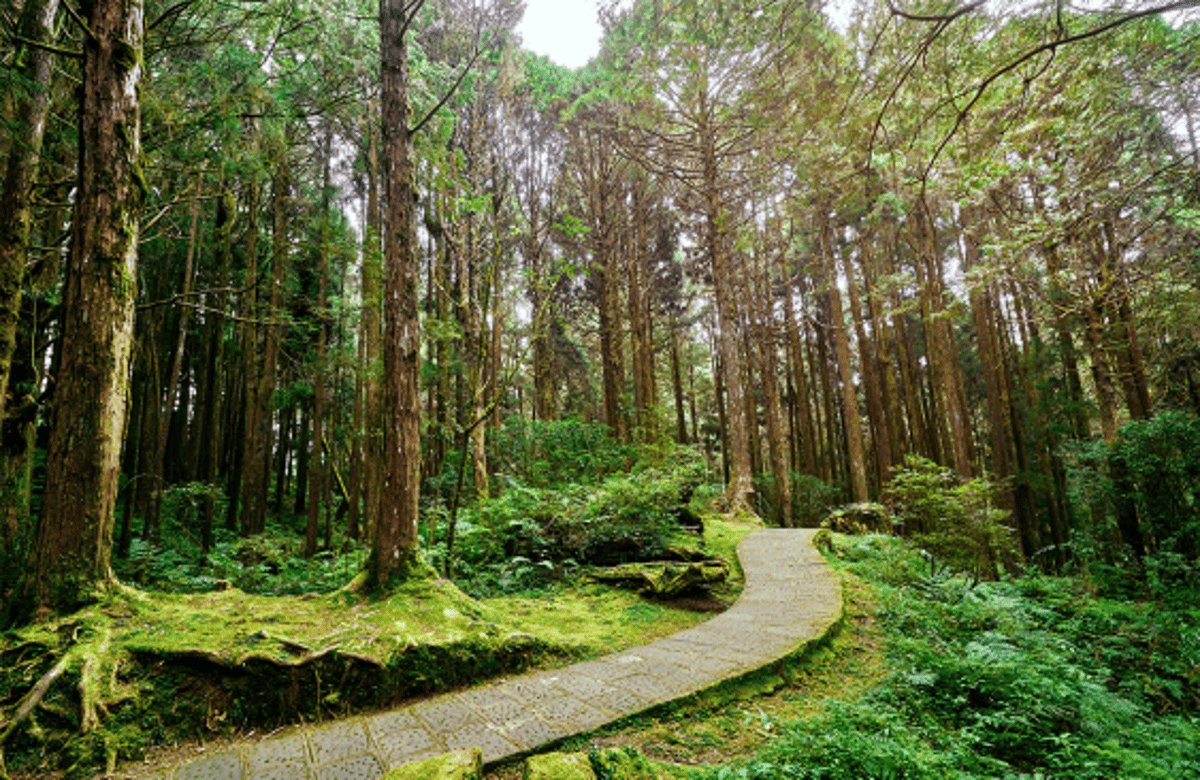
The newly catalogued giants are not merely record‑breakers; they are ecological keystones in Taiwan’s montane cloud‑forest ecosystems. High humidity, stable temperatures, and steep, mist‑laden slopes create ideal conditions for extraordinary vertical growth, allowing these trees to act as carbon sinks and habitat anchors for epiphytes, birds, and insects. Researchers suggest that such oceanic climates served as refugia during post‑glacial periods, preserving genetic diversity that underpins today’s forest resilience. Indigenous Rukai peoples have long revered these towering firs, viewing them as “trees that hit the moon,” a cultural link that underscores their broader significance.
The successful integration of LiDAR, crowdsourcing, and field verification sets a precedent for forest monitoring worldwide. As climate change intensifies, high‑resolution canopy data can inform conservation priorities, identify climate‑sensitive habitats, and guide reforestation efforts. Taiwan’s giant‑tree map also offers a new tourism niche, attracting eco‑enthusiasts eager to experience the region’s natural monuments. Moreover, the methodology demonstrates how advanced remote‑sensing tools, when paired with citizen science, can overcome topographic challenges and accelerate biodiversity assessments in other mountainous regions.
This Towering Fir Is the Tallest Tree in East Asia
Comments
Want to join the conversation?
Loading comments...