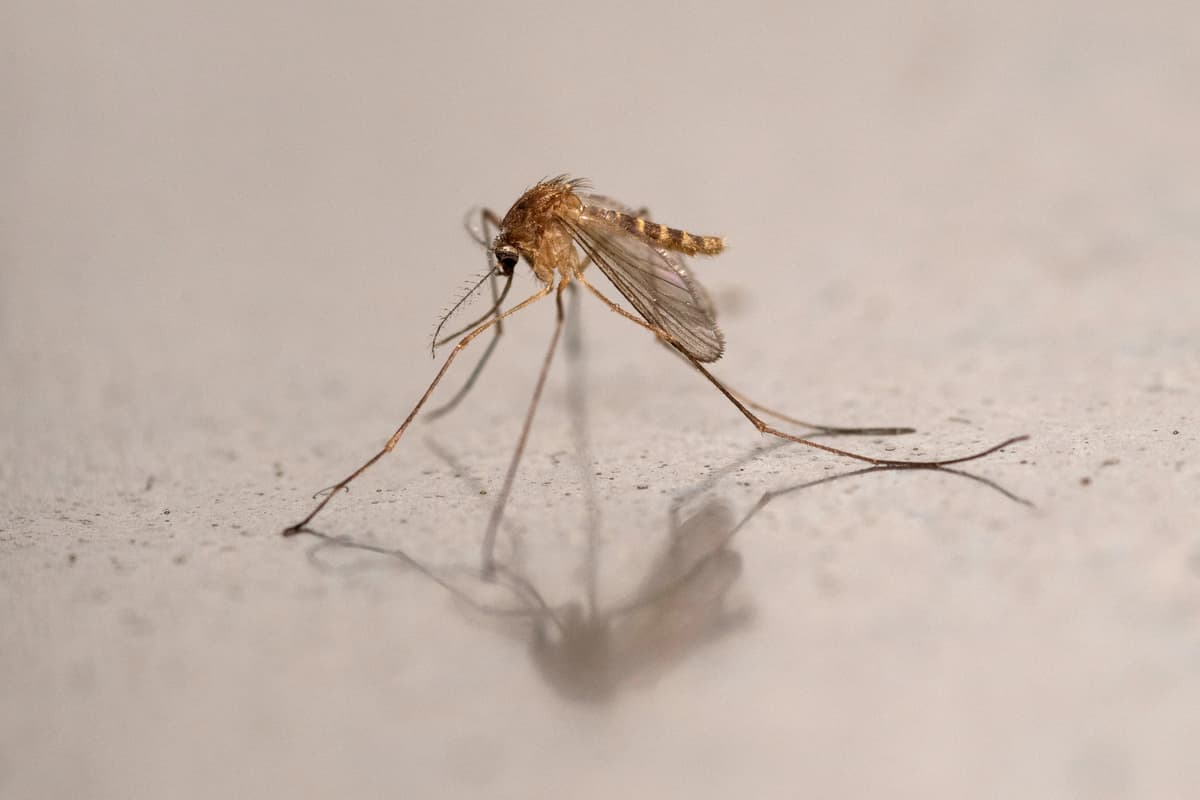
This Was the Last Mosquito-Free Country on Earth. Then 3 Bugs Showed Up.
Why It Matters
The discovery signals that climate‑driven warming is expanding disease‑vector habitats into previously protected regions, raising public‑health and ecological concerns. It underscores the urgency for monitoring and mitigation strategies as more temperate zones become vulnerable.
Key Takeaways
- •First confirmed mosquito sighting in Iceland, species Culiseta annulata
- •Mosquitoes arrived likely via freight shipping, not accidental flight
- •Warming 2025 temperatures broke records, enabling mosquito survival
- •Mosquitoes now only absent from Antarctica, highlighting climate shift
- •Species prefers human structures, allowing overwintering in Icelandic homes
Pulse Analysis
Mosquitoes have historically been limited by cold, confining them to temperate zones and sparing the high‑latitude Arctic. Recent climate models show a steady rise in average temperatures across the globe, eroding the thermal thresholds that kept species like Culiseta annulata at bay. As heatwaves become more frequent, the ecological niche of these insects expands, prompting scientists to reassess vector‑borne disease risk maps that previously excluded regions such as Iceland.
Iceland’s 2025 heat spike—reaching nearly 80 °F (26.6 °C) at Egilsstaðir—created a temporary window for mosquito development. Unlike native Arctic species that hibernate in ice, Culiseta annulata can overwinter in human‑made structures, allowing it to survive the brief warm periods and re‑emerge when conditions improve. The insects likely arrived via freight containers, a common pathway for invasive species, highlighting gaps in biosecurity protocols for island nations heavily dependent on imported goods.
The broader implication is a cascading threat to public health and biodiversity. While Culiseta annulata is primarily a nuisance, its establishment paves the way for more aggressive, disease‑carrying species to follow, as seen with recent detections of Egyptian and Asian tiger mosquitoes in the U.K. Policymakers must prioritize surveillance, invest in vector‑control infrastructure, and integrate climate‑adaptation strategies to mitigate the expanding reach of mosquitoes worldwide.
This Was the Last Mosquito-Free Country on Earth. Then 3 Bugs Showed Up.
Comments
Want to join the conversation?
Loading comments...