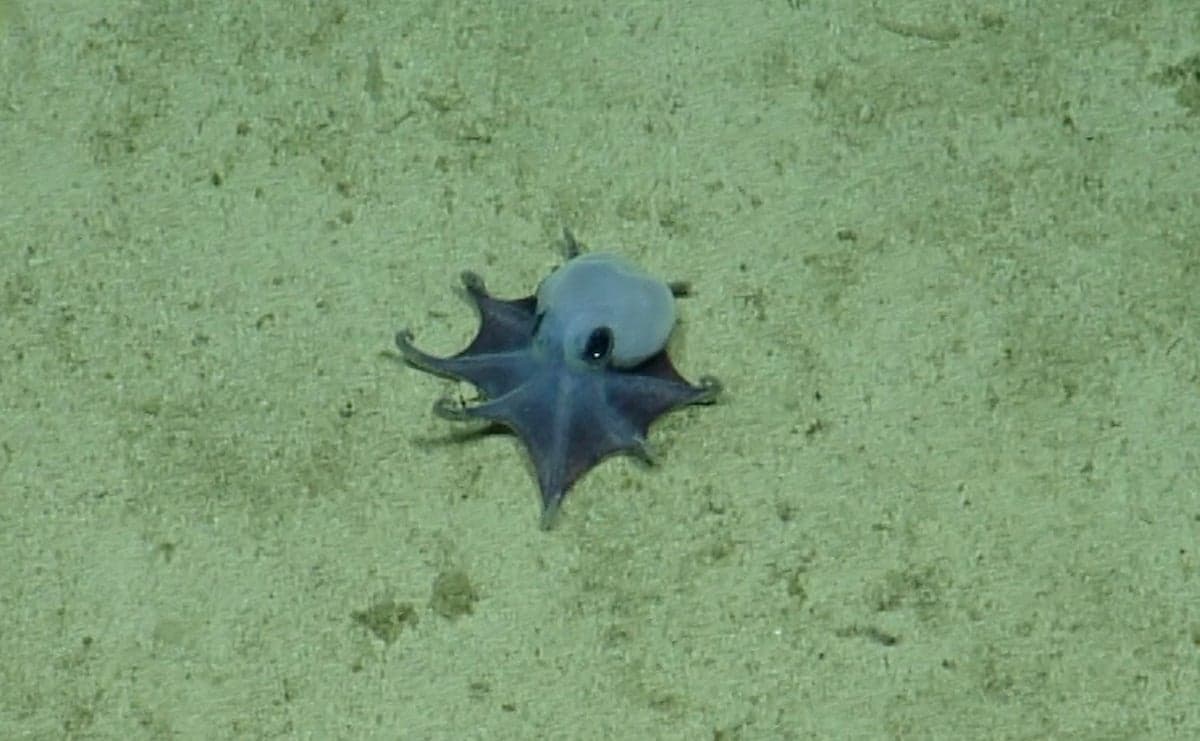
Tiny Alien-Like Blue Octopus Discovered Lurking Off the Galapagos Islands
Why It Matters
The new species expands cephalopod taxonomy and highlights the untapped biodiversity of deep‑sea habitats, informing conservation priorities around the Galápagos marine reserve.
Key Takeaways
- •Golf‑ball‑size octopus discovered 1,773 m deep near Darwin Island
- •New species named *Microeledone galapagensis* after detailed CT scans
- •Specimens showed unusually few arm suckers and smooth skin
- •Discovery highlights vast, unexplored deep‑sea biodiversity around Galápagos
- •Findings may inform future marine conservation policies in the region
Pulse Analysis
The deep ocean around the Galápagos has long been a frontier for marine science, and the 2015 E/V Nautilus expedition added a striking new chapter. Using the Hercules robotic submersible, scientists descended to a seamount at 1,773 meters depth, where they filmed a tiny, vivid blue octopus. High‑resolution micro‑CT scanning back at the Charles Darwin Research Station allowed researchers to visualize internal anatomy without damaging the fragile specimens, a technique increasingly vital for cataloguing cryptic deep‑sea life.
The octopus’s morphology set it apart from known genera. It possesses a reduced number of suckers, a smooth, unblemished mantle, and a distinctive beak structure, prompting taxonomists to assign it to a new genus and species, *Microeledone galapagensis*. The presence of 13 mature eggs suggests early reproductive development, offering a rare glimpse into the life cycle of deep‑sea cephalopods, which are notoriously difficult to study in situ. This discovery enriches the phylogenetic tree of octopods and provides a baseline for comparative studies on adaptation to extreme pressure and low‑light environments.
Beyond taxonomy, the find reinforces the Galápagos archipelago’s status as a marine biodiversity hotspot and a reminder of the ocean’s hidden wealth. As climate change and fishing pressures intensify, documenting such species becomes essential for shaping effective marine protected area policies. The *Microeledone* discovery may spur additional deep‑sea surveys, leveraging autonomous vehicles and advanced imaging to uncover more unknown organisms, ultimately strengthening global efforts to preserve fragile deep‑water ecosystems.
Tiny alien-like blue octopus discovered lurking off the Galapagos Islands
Comments
Want to join the conversation?
Loading comments...