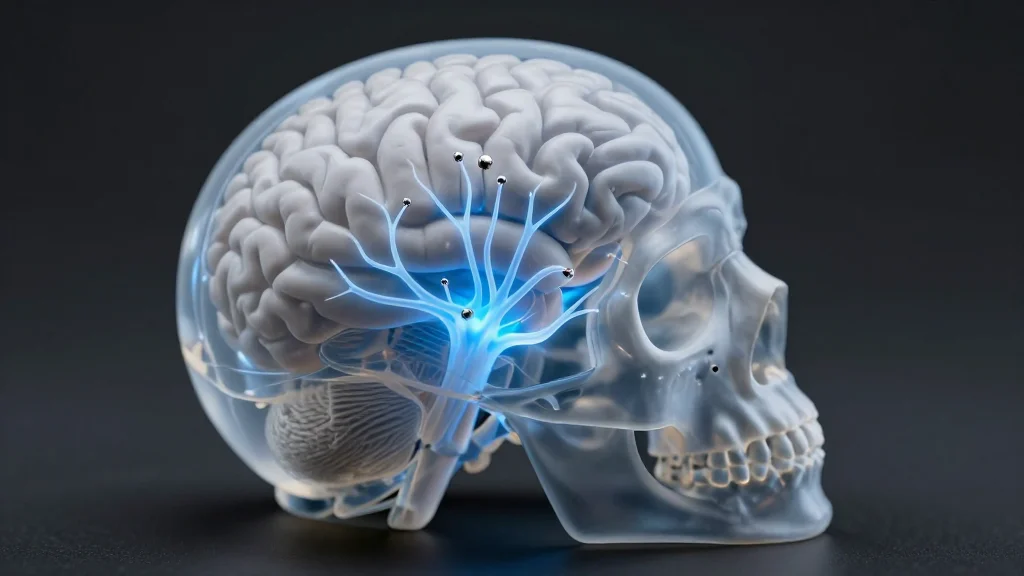
Tiny Probes Make Sense of Abnormal Bursts in the Epileptic Brain
Why It Matters
Predicting spikes enables pre‑emptive neurostimulation, potentially preserving cognition and reducing epilepsy‑related disability. This shifts treatment from reactive seizure control to proactive spike management.
Key Takeaways
- •Interictal spikes predictable up to one second before onset
- •Neuropixels recorded >100 neurons, revealing three firing patterns
- •Language-processing neurons are hijacked during spikes
- •Predictive patterns suggest inhibitory neuron involvement in spike suppression
- •Anticipatory stimulation could prevent cognitive disruption in epilepsy
Pulse Analysis
Interictal epileptiform discharges, often dismissed as harmless, occur hundreds to thousands of times daily in people with epilepsy. Though they lack the dramatic convulsions of full seizures, these brief spikes can produce momentary confusion and contribute to long‑term memory deficits, especially in temporal‑lobe epilepsy. Recent clinical observations have linked spike‑related lapses to language failures and sleep‑dependent memory consolidation problems, prompting researchers to treat them as a distinct therapeutic target rather than a mere by‑product of seizure activity.
The breakthrough came from implanting ultra‑thin Neuropixels probes—devices capable of monitoring the activity of over a hundred individual neurons simultaneously—into seizure‑prone regions of four surgical patients. Analysis revealed three coordinated neuronal groups: one that ramps up firing before the spike, another that peaks at the spike’s apex, and a third that sustains activity afterward, likely representing inhibitory cells attempting to dampen the event. Strikingly, the majority of recruited neurons are those normally engaged in speech perception, indicating that spikes temporarily hijack cognitive circuits, which explains the observed transient language impairments.
These insights reshape the landscape for responsive neurostimulation. Current closed‑loop systems react only after a spike is detected, limiting their ability to protect cognition. By leveraging the one‑second predictive window identified in this study, next‑generation devices could deliver targeted stimulation before the burst fully forms, averting its disruptive effects. Several biotech firms are already exploring algorithms and hardware capable of detecting such pre‑spike signatures, suggesting a near‑term market for anticipatory therapies that could improve quality of life for millions of epilepsy patients.
Tiny probes make sense of abnormal bursts in the epileptic brain
Comments
Want to join the conversation?
Loading comments...