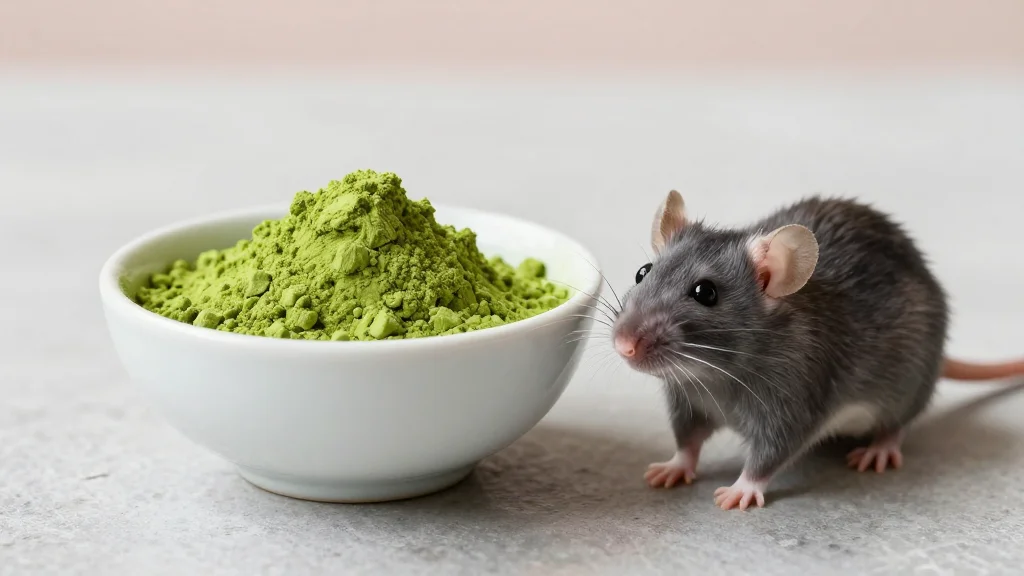
Tired of Sneezing? This Everyday Drink Might Offer Some Relief, According to New Research
Why It Matters
If confirmed in people, matcha could become a low‑cost, dietary adjunct for seasonal allergy sufferers, offering symptom relief without replacing proven medications. The study also opens a new research avenue into brain‑stem modulation of allergic responses.
Key Takeaways
- •Matcha reduced sneezing in mice via brainstem suppression.
- •No impact on IgE, mast cells, or T‑cell responses.
- •Human trials needed; dosage unclear for comparable effect.
- •Moderate intake (2‑3 cups) considered safe, not medication substitute.
Pulse Analysis
The recent mouse study adds a surprising twist to the health narrative surrounding matcha, a powdered green tea celebrated for its antioxidant profile. While most research has focused on catechins, EGCG, and quercetin for their anti‑inflammatory and antihistamine properties, this work points to a neurological mechanism: matcha appears to dampen the brainstem circuitry that triggers the sneeze reflex. This distinction matters because it suggests that the beverage could alleviate a specific allergy symptom without directly altering immune markers like IgE, offering a complementary approach for those already on antihistamines.
For consumers, the practical takeaway is modest. Experts advise limiting intake to two or three cups daily, a range that stays within typical caffeine tolerances and avoids potential digestive or sleep disturbances. The study’s dosage, however, was roughly ten times what a standard cup provides, leaving a gap in knowledge about the effective human dose. Until controlled trials clarify the dose‑response curve, matcha should be viewed as an adjunct rather than a primary therapy, especially for individuals on medications that may interact with tea polyphenols, such as certain antihistamines and beta‑blockers.
From an industry perspective, the findings could spark interest in functional‑beverage formulations that target the sneezing reflex, potentially differentiating products in a crowded green‑tea market. Companies may explore fortified matcha blends or standardized extracts that deliver higher catechin concentrations while maintaining palatability. Nonetheless, the scientific community urges caution: translating mouse brainstem data to human allergy management requires rigorous clinical validation. As research progresses, matcha’s role could evolve from a general wellness staple to a niche, evidence‑based option for seasonal allergy relief.
Tired of Sneezing? This Everyday Drink Might Offer Some Relief, According to New Research
Comments
Want to join the conversation?
Loading comments...