To Battle Climate Change, a Baltimore Church Turns to Nature
Why It Matters
Urban green infrastructure directly cuts stormwater pollution and flood damage, while faith‑based partnerships amplify community resilience and equity in climate‑impacted cities.
Key Takeaways
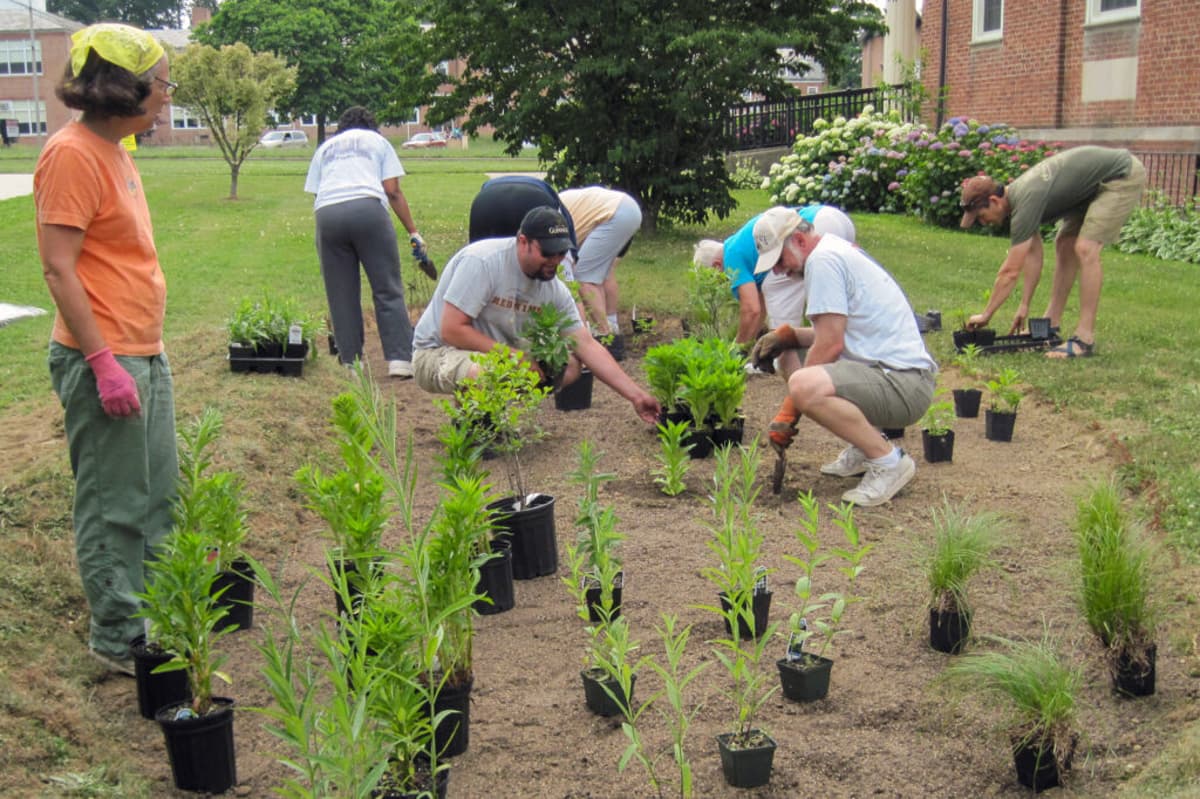
- •Faith Presbyterian's 200‑sq‑ft rain garden filters stormwater on site.
- •Converted parking lot now hosts 74 native trees and pollinator wildflowers.
- •Blue Water Baltimore partners with churches to expand urban green infrastructure.
- •Resiliency hubs provide emergency shelter, food, and cooling centers.
- •Climate‑driven flooding threatens 82% of Inner Harbor properties by 2050.
Pulse Analysis
Baltimore’s aging storm‑water system struggles to handle intensified rain events, prompting cities nationwide to explore green infrastructure. Rain gardens like Faith Presbyterian’s capture runoff, allowing water to percolate through soil, cool, and shed pollutants before entering the watershed. Native plantings also provide habitat for pollinators and improve air quality, delivering ecosystem services that traditional concrete channels cannot match.
Faith communities are uniquely positioned to lead these efforts. Partnerships with nonprofits such as Blue Water Baltimore translate technical climate language into actionable projects that resonate with congregants. By converting parking lots into mini‑forests, churches create resilient hubs that double as emergency shelters, food distribution points, and cooling centers during heat waves, reinforcing social cohesion while addressing environmental justice in historically under‑invested neighborhoods.
The broader implication for Baltimore is significant. Projections show that by 2050, over 80% of properties in the Inner Harbor could face flooding, a risk amplified by impermeable surfaces. Scaling rain gardens, tree planting, and community‑driven resiliency hubs can reduce peak runoff, lower flood insurance costs, and buy time for municipal upgrades. Policymakers and developers should incentivize similar faith‑based green projects, integrating them into citywide climate adaptation plans to protect both infrastructure and the most vulnerable residents.
To Battle Climate Change, a Baltimore Church Turns to Nature
Comments
Want to join the conversation?
Loading comments...