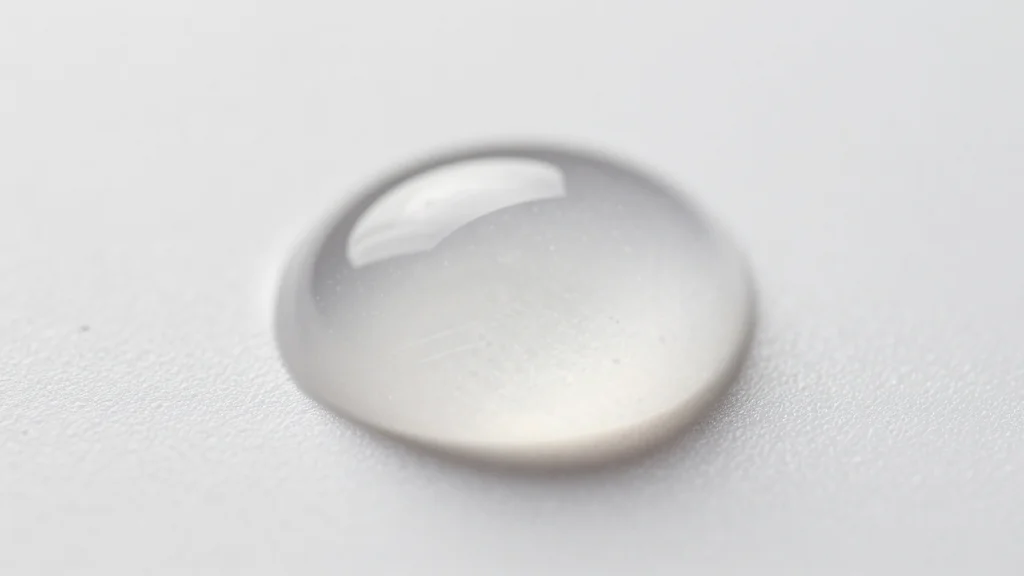
Transparent SilMA Hydrogel: Priming Microstructure Regulation for Real‐Time Cell and Organoid Visualization
Why It Matters
By delivering a clear, durable substrate, TSFH unlocks live‑imaging capabilities essential for regenerative‑medicine research and high‑throughput organoid screening, accelerating translational breakthroughs.
Key Takeaways
- •GA crosslinking stops random coil to β‑sheet shift, keeping hydrogel clear
- •Micropore walls stay 400–800 nm, matching visible light, reducing scattering
- •TSFH remains stable for over a month, supporting long‑term cultures
- •Transparency enables real‑time observation of organoid growth and cell behavior
- •Preserved microstructure prevents pore fusion, enhancing nutrient diffusion
Pulse Analysis
Silk fibroin hydrogels have long been prized for their biocompatibility and mechanical tunability, yet their inherent opacity has limited applications that require optical access, such as live‑cell imaging and in‑situ monitoring of tissue development. Traditional formulations undergo a conformational shift from random coils to β‑sheets, creating dense networks that scatter light. Researchers have therefore sought strategies to retain the advantageous microarchitecture of silk while mitigating the optical drawbacks, a challenge that has persisted across regenerative‑medicine and organ‑on‑a‑chip platforms.
The breakthrough presented by the transparent silk fibroin hydrogel (TSFH) hinges on a bio‑inspired glutaraldehyde crosslinking protocol. By chemically stabilizing the random‑coil configuration, the process suppresses β‑sheet formation, preserving pore walls at 400–800 nm—dimensions that closely match the wavelength of visible light and thus minimize scattering. This precise control over nanostructure yields a hydrogel that remains optically clear for over a month, while still offering the mechanical resilience required for three‑dimensional cell culture. Importantly, the microstructure stays intact, preventing pore fusion that could otherwise impede nutrient diffusion and waste removal.
The implications for biomedical research are substantial. A transparent, stable substrate enables continuous, high‑resolution imaging of organoid morphogenesis, drug‑response assays, and cell‑cell interactions without disruptive staining or invasive probes. This capability can accelerate discovery pipelines in personalized medicine, where rapid feedback on tissue behavior is critical. Moreover, the platform’s durability supports long‑term studies, bridging the gap between short‑term in‑vitro experiments and more predictive in‑vivo models. As the field moves toward increasingly complex tissue constructs, TSFH offers a versatile foundation for next‑generation regenerative therapies and high‑throughput screening platforms.
Transparent SilMA Hydrogel: Priming Microstructure Regulation for Real‐Time Cell and Organoid Visualization
Comments
Want to join the conversation?
Loading comments...