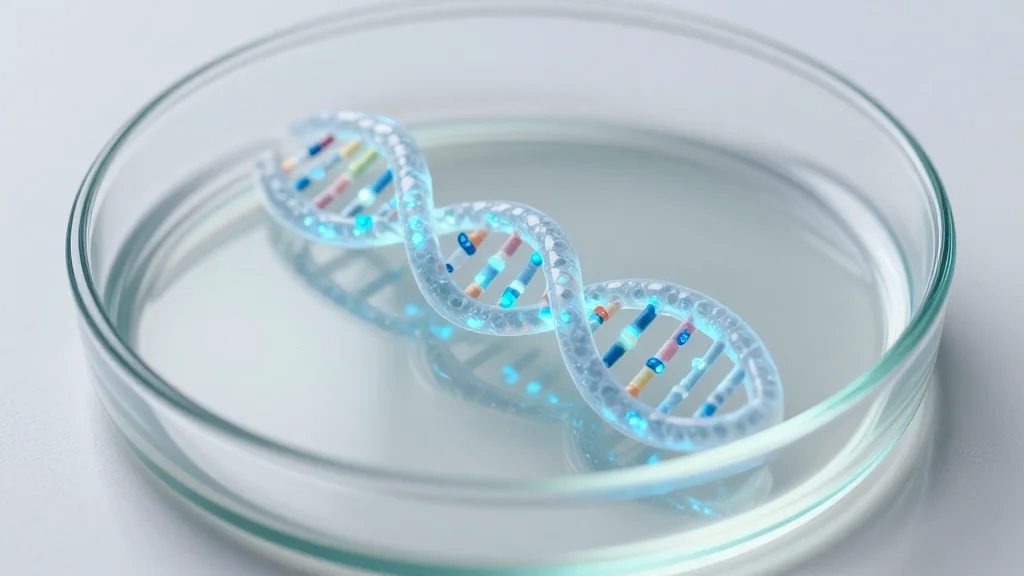
Transposable Element DNA and RNA: Drivers of Gene Expression, Evolution, and Disease
Why It Matters
Understanding TE‑driven regulatory networks reshapes basic genomics, informs disease mechanisms, and opens new avenues for therapeutic and diagnostic innovation.
Key Takeaways
- •~45% of mammalian DNA consists of transposable elements
- •Long‑read sequencing resolves individual TE loci for functional analysis
- •TEs act as alternative promoters, enhancers, and splice regulators
- •TE de‑repression links to neurodegeneration, cancer, and autoimmunity
- •Engineered TE sequences serve as disease biomarkers and gene‑editing tools
Pulse Analysis
The perception of transposable elements has undergone a radical shift over the past decade. Once dismissed as genomic parasites, TEs are now recognized as a pervasive component—nearly 45 % of mammalian DNA—that shapes chromatin topology and transcriptional landscapes. Breakthroughs in long‑read platforms such as PacBio and Oxford Nanopore have enabled base‑pair resolution of individual TE insertions, moving the field from family‑level annotations to locus‑specific functional dissection. This granular view reveals that many TEs have been domesticated to serve as alternative promoters, enhancers, and even sources of long‑non‑coding RNAs, integrating seamlessly into host regulatory circuits.
Beyond their structural contributions, TEs exert dynamic control over gene expression through multilayered repression mechanisms. DNA methylation, repressive histone modifications, phase‑separated condensates, and targeted RNA decay collectively silence most TE copies, preserving genome stability. However, developmental windows and environmental stresses can lift this repression, allowing specific TE loci to modulate cell‑type identity, embryonic genome activation, and stress‑responsive pathways. The flip side of this flexibility is pathological: aberrant TE activation has been linked to neurodegenerative diseases, oncogenic transcriptional rewiring, and autoimmune activation, positioning TEs as both biomarkers and potential therapeutic targets.
The translational implications are equally compelling. Synthetic TE‑derived promoters and enhancers are being engineered for precise gene‑therapy vectors, while TE‑derived RNAs serve as circulating biomarkers for early cancer detection. Moreover, the unique ability of certain TEs to mobilize under controlled conditions offers novel tools for genome editing and cellular reprogramming. As the field continues to integrate high‑resolution epigenomics, single‑cell transcriptomics, and pangenome references, TEs are poised to become central players in next‑generation precision medicine and biotechnology strategies.
Transposable element DNA and RNA: Drivers of gene expression, evolution, and disease
Comments
Want to join the conversation?
Loading comments...