Why It Matters
The video demonstrates how high‑quality visual media can demystify advanced physics, driving deeper public engagement with space science and expanding the market for premium educational content.
Key Takeaways
- •ScienceClic's video visualizes relativistic travel with high‑fidelity 3D graphics.
- •Explains time dilation and visual distortions at near‑light speeds.
- •Combines accurate physics with artistic storytelling for broader STEM outreach.
- •Highlights challenges of propulsion and energy for light‑speed concepts.
- •Boosts demand for immersive educational content on platforms like YouTube.
Pulse Analysis
The surge of high‑production science videos on YouTube reflects a broader shift toward digital learning, where audiences expect cinematic quality alongside factual rigor. Platforms such as ScienceClic capitalize on this trend, delivering content that rivals traditional documentaries while reaching millions instantly. By investing in sophisticated 3D rendering and concise narration, creators tap into a lucrative niche that attracts advertisers, sponsors, and subscription models, reinforcing YouTube’s role as a primary conduit for informal STEM education.
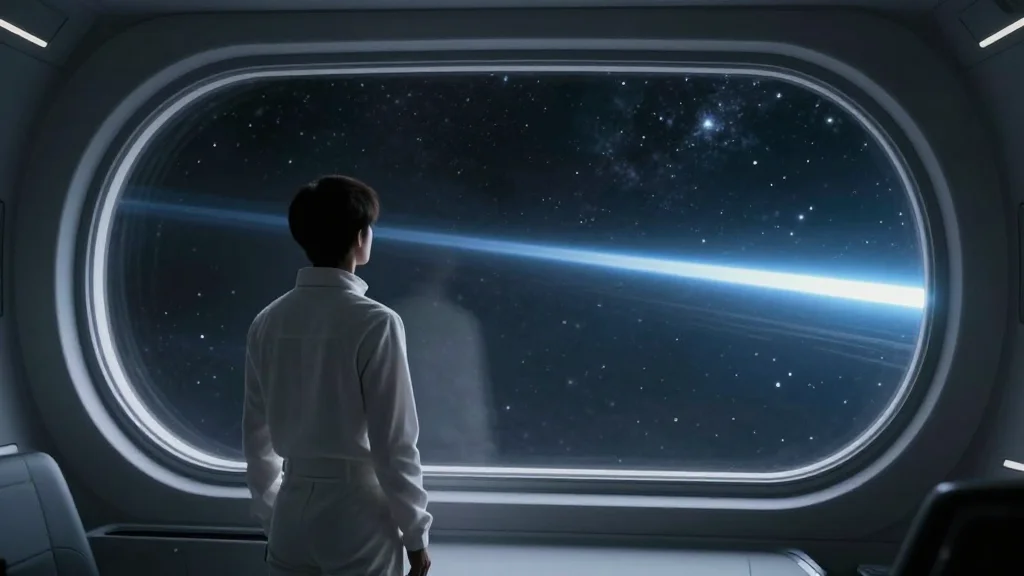
Roussel’s “Travelling at the speed of light” stands out for its precise treatment of Einsteinian relativity. The video visualizes how light‑speed travel would warp perception—showing blueshifted stars, length contraction, and the infamous twin paradox—in a way that is both scientifically accurate and visually arresting. Such fidelity helps bridge the gap between academic research and public intuition, fostering a more scientifically literate audience. Moreover, the visual toolkit demonstrated—real‑time rendering, motion‑blur effects, and interactive timelines—offers a template for future creators seeking to translate complex theories into digestible formats.
From a business perspective, the success of this video signals rising demand for premium educational content that can be monetized through ad revenue, brand partnerships, and licensing to e‑learning platforms. Companies in the edtech and media sectors are likely to invest in similar productions, leveraging the credibility of experts like Terence Tao and the storytelling prowess of artists like Roussel. As audiences increasingly favor immersive, on‑demand learning experiences, the intersection of scientific accuracy and cinematic quality will become a key differentiator in the competitive digital education marketplace.
Travelling at the speed of light
Comments
Want to join the conversation?
Loading comments...