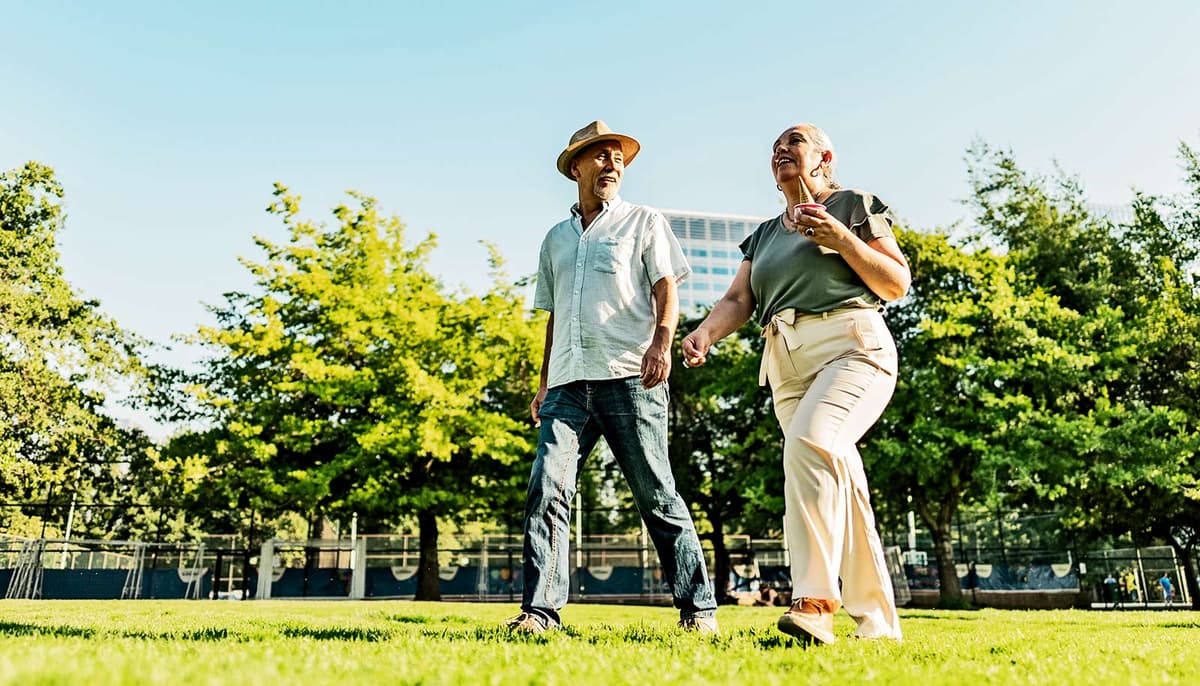
Why It Matters
The findings reveal that urban tree planting, a common public‑health strategy, may widen health disparities unless paired with policies that address socioeconomic and racial inequities.
Key Takeaways
- •Tree canopy lowers allostatic load for higher‑income, educated adults
- •No health benefit observed for low‑income or non‑Hispanic Black residents
- •Study used CDC data on 40,307 adults matched with satellite tree maps
- •Findings highlight need to pair greening with equity‑focused policies
- •Benefits consistent for non‑Hispanic White and Hispanic groups
Pulse Analysis
The Lancet‑published research leverages a national sample of over 40,000 adults, merging CDC health metrics with high‑resolution satellite imagery of tree cover. By focusing on allostatic load—a composite index of stress‑related biomarkers—the study moves beyond anecdotal claims about greenery and quantifies physiological outcomes. The robust dataset, covering every U.S. census block, provides a granular view of how environmental assets intersect with demographic variables, offering a rare empirical foundation for urban health policy.
What sets this work apart is its illumination of a stark equity gap. While affluent, well‑educated residents reap measurable stress‑reduction benefits from nearby trees, low‑income and non‑Hispanic Black communities do not experience the same physiological gains. Researchers attribute this to intersecting stressors such as discrimination, job insecurity, and substandard housing that can overwhelm the calming influence of nature. The study therefore challenges the prevailing assumption that greening is a universal remedy, urging planners to consider the broader social context that shapes health outcomes.
For policymakers, the implications are clear: tree‑planting initiatives must be integrated with targeted interventions that tackle systemic inequality. This could involve coupling green infrastructure with affordable housing, job training programs, and anti‑discrimination enforcement. Future research should explore whether specific tree species, maintenance levels, or community‑led stewardship models can amplify benefits for marginalized groups. By aligning environmental design with social justice, cities can transform trees from a symbolic health boost into a genuine equalizer across the urban landscape.
Trees don’t benefit health for everyone
Comments
Want to join the conversation?
Loading comments...