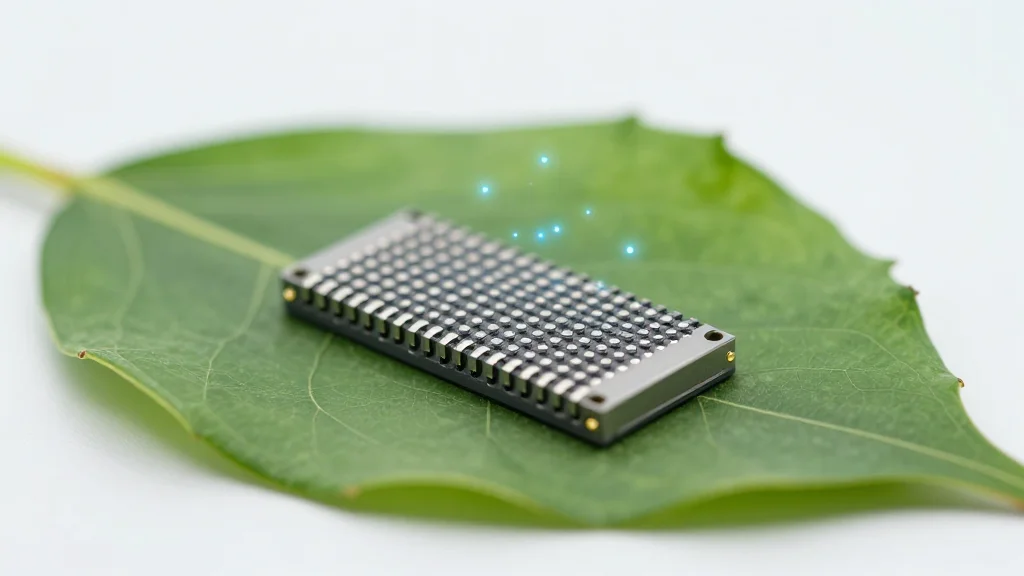
Triple-N Dataset: Large-Scale fMRI-Guided Dense Recordings of Nonhuman Primate Neural Responses to Natural Scenes
Companies Mentioned
Why It Matters
Triple‑N bridges the gap between primate neurophysiology and AI, offering a benchmark for building brain‑compatible vision models and accelerating translational neuroscience research.
Key Takeaways
- •90 recording sessions across five macaques using high‑density silicon probes
- •Simultaneous fMRI maps guide electrode placement for natural‑scene viewing
- •Dataset links over 1 million spikes to human BOLD responses
- •Enables benchmarking visual and language models on primate neural data
- •Supports cross‑species decoding, showing macaque data outperforms human at fine scale
Pulse Analysis
The release of the Triple‑N dataset marks a watershed moment for computational neuroscience and machine‑learning research. By integrating high‑density electrophysiology with fMRI‑derived cortical maps, the dataset captures neural dynamics at a resolution previously limited to either modality alone. Researchers can now trace how individual spikes relate to population‑level BOLD signals while subjects view thousands of natural images, providing a rich substrate for testing encoding models, decoding pipelines, and representational similarity analyses across species.
Beyond its methodological novelty, Triple‑N offers a practical benchmark for evaluating visual and language models against biologically grounded data. The authors paired neural responses with embeddings from state‑of‑the‑art vision networks (e.g., AlexNet) and large‑language models (MPNet), revealing distinct temporal profiles and a visual‑language ratio that varies across cortical areas. This cross‑modal perspective equips AI developers with concrete performance targets, encouraging the design of architectures that mirror the ventral stream’s hierarchical processing and its integration of semantic information.
The dataset’s open‑access format and extensive metadata—covering probe drift, spike‑quality metrics, and semantic image clusters—lower the barrier for interdisciplinary collaboration. Neuroscientists can probe questions about cortical hierarchy, attention, and object selectivity, while AI practitioners gain a high‑fidelity testbed for brain‑inspired algorithms. As the community builds models that predict both spike trains and BOLD responses, Triple‑N is poised to accelerate the convergence of neuroscience insights and next‑generation artificial intelligence, ultimately informing more efficient and interpretable visual systems.
Triple-N dataset: large-scale fMRI-guided dense recordings of nonhuman primate neural responses to natural scenes
Comments
Want to join the conversation?
Loading comments...