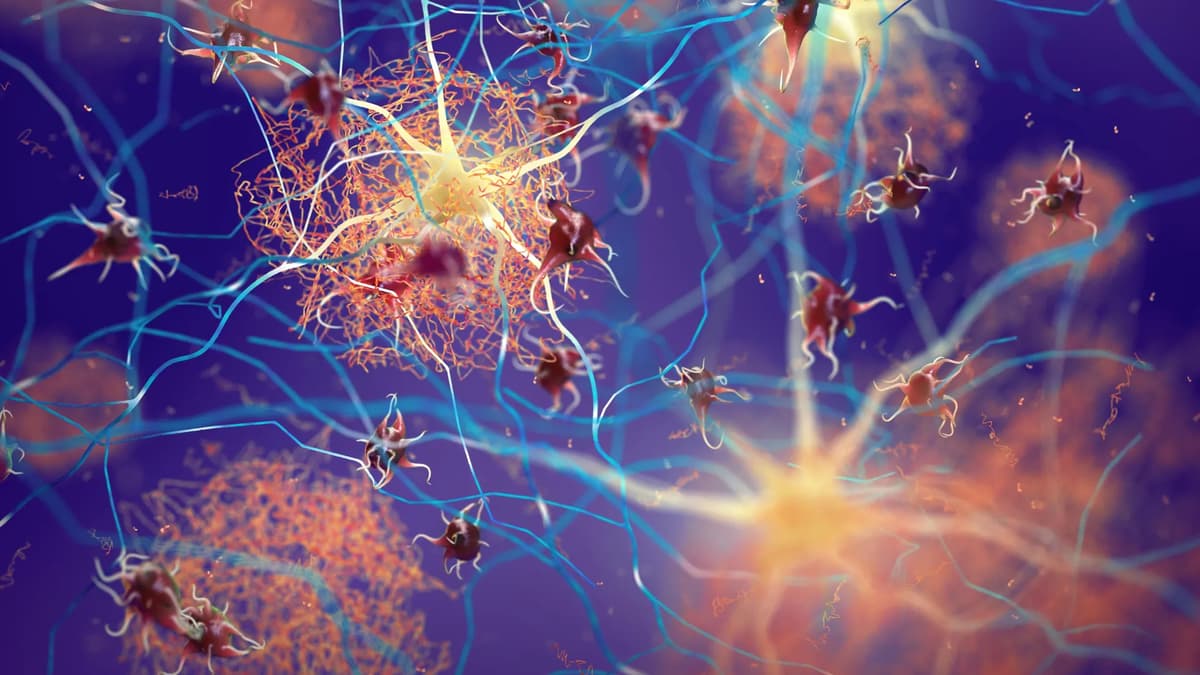
Tubulin Prevents Toxic Brain Protein Clumps Linked to Alzheimer’s and Parkinson’s
Why It Matters
Elevating tubulin offers a dual benefit: it curtails toxic protein aggregation and maintains normal neuronal processes, presenting a potentially safer disease‑modifying route for Alzheimer’s and Parkinson’s therapies.
Key Takeaways
- •Tubulin redirects Tau and α‑synuclein away from toxic aggregates.
- •Low tubulin levels correlate with increased protein clumping in Alzheimer’s.
- •Boosting tubulin may preserve normal neuronal functions while preventing disease.
- •Study suggests therapeutic shift from inhibition to tubulin augmentation.
Pulse Analysis
Alzheimer’s and Parkinson’s diseases share a common pathological hallmark: the accumulation of misfolded proteins, chiefly Tau and α‑synuclein, into insoluble aggregates that disrupt neuronal communication. For years, therapeutic efforts have focused on preventing these proteins from forming condensates or breaking existing fibrils, a strategy that risks interfering with their normal cellular roles. Recent advances in phase‑separation biology have highlighted that these proteins also participate in dynamic, functional droplets, suggesting that a more nuanced approach—one that preserves physiological activity while curbing toxicity—could yield safer, more effective treatments.
The Baylor College of Medicine team demonstrated that tubulin, the building block of microtubules, can act as a molecular chaperone for Tau and α‑synuclein. By binding to these proteins, tubulin steers them toward productive microtubule assembly rather than pathological aggregation. Experiments using high‑resolution microscopy and neuron‑based assays showed that elevating tubulin levels reduced toxic condensate formation and restored normal neuronal transport. Importantly, the study linked reduced tubulin abundance, observed in Alzheimer’s brains, to heightened protein clumping, positioning tubulin augmentation as a direct countermeasure.
These findings open a new therapeutic avenue that emphasizes boosting the tubulin pool instead of merely inhibiting protein aggregation. Small‑molecule stabilizers of microtubules, gene‑therapy approaches to increase tubulin expression, or peptide mimetics that enhance tubulin‑protein interactions could become viable drug candidates. The shift aligns with industry trends toward disease‑modifying therapies that address upstream cellular mechanisms. As investors watch neuro‑degeneration pipelines, the tubulin strategy may attract funding, prompting collaborations between biotech firms and academic labs to translate this mechanistic insight into clinical trials.
Tubulin prevents toxic brain protein clumps linked to Alzheimer’s and Parkinson’s
Comments
Want to join the conversation?
Loading comments...