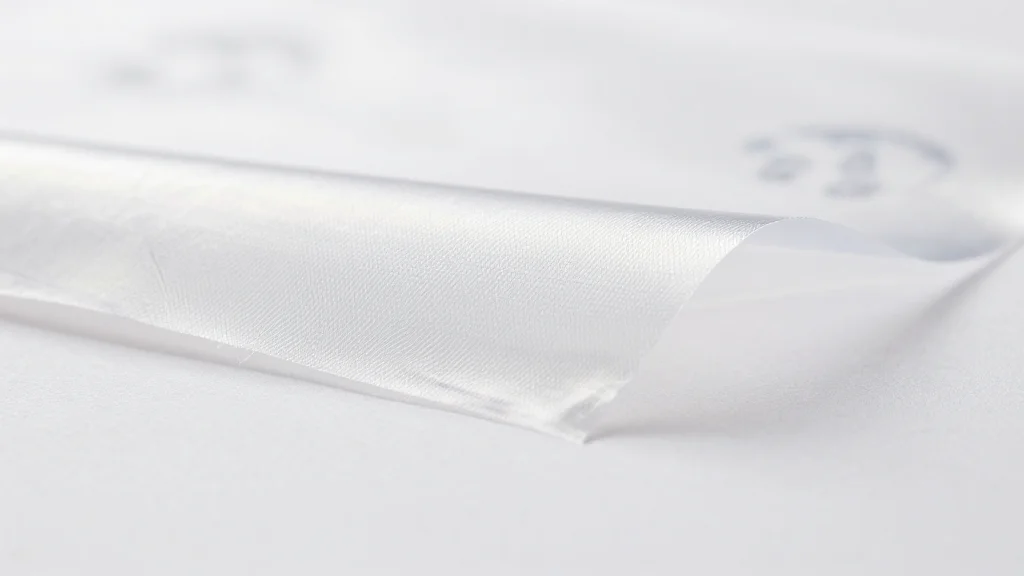
Tufts Researchers Forge Near‑Kevlar Silk Using Heat and Pressure

Why It Matters
The development of a near‑Kevlar silk material bridges a critical gap between sustainability and performance. Traditional high‑strength fibers like Kevlar are derived from non‑renewable petrochemicals and are difficult to recycle, contributing to environmental waste. A biodegradable alternative that matches or exceeds those mechanical properties could dramatically reduce the carbon footprint of industries that rely on lightweight, strong materials, such as aerospace, automotive, and protective equipment. Moreover, the material’s optical transparency expands its utility into photonics and sensor platforms, where conventional composites are opaque. By demonstrating that simple heat‑press techniques can unlock silk’s latent strength, the research also lowers the barrier to entry for manufacturers seeking greener materials. The approach sidesteps the need for complex chemical treatments, making it more compatible with existing textile and composite manufacturing lines. If the process can be scaled economically, it could catalyze a broader shift toward bio‑based high‑performance materials, reinforcing policy goals around circular economies and sustainable manufacturing.
Key Takeaways
- •Tufts team fuses silkworm silk fibers using heat (257‑419 °F) and pressure (1,900‑9,800 atm)
- •Resulting material has tensile toughness comparable to Kevlar and exceeds bone strength
- •Fused silk remains transparent and fully biodegradable, unlike synthetic composites
- •Process eliminates chemical‑intensive steps, preserving silk’s hierarchical structure
- •Potential applications span biomedical devices, energy generation, sensors, and lightweight armor
Pulse Analysis
The Tufts breakthrough arrives at a moment when the materials sector is scrambling for alternatives to carbon‑intensive composites. Historically, silk has been prized for its tensile strength and elasticity, but its industrial uptake has been hampered by processing challenges that degrade its microstructure. By leveraging a straightforward hot‑press method, the researchers have effectively turned a centuries‑old biomaterial into a modern engineering staple. This could reshape supply chains: instead of relying on oil‑derived fibers, manufacturers might source silk from existing sericulture farms, reducing geopolitical risk and raw‑material volatility.
From a market perspective, the technology could undercut the cost advantage of traditional composites if scaling proves viable. The pressure regimes (up to 9,800 atm) are extreme but not unprecedented in industrial settings such as powder metallurgy, suggesting that existing high‑pressure equipment could be repurposed. The key competitive edge lies in the material’s biodegradability and optical clarity—attributes that synthetic fibers cannot match. Companies in aerospace and defense, which prioritize weight‑to‑strength ratios, may find a niche for biodegradable armor or interior components, while medical device firms could exploit the material’s biocompatibility for implantable scaffolds.
Looking ahead, the main hurdle will be translating laboratory‑scale hot‑press cycles into continuous roll‑to‑roll production. If the process can be automated and the pressure‑temperature window broadened without sacrificing performance, we could see the first commercial products—perhaps high‑strength silk‑based filters or transparent protective panels—within the next five years. The broader implication is a validation that nature‑derived polymers, when processed intelligently, can meet or exceed the performance of their synthetic counterparts, nudging the entire materials ecosystem toward a more sustainable trajectory.
Tufts Researchers Forge Near‑Kevlar Silk Using Heat and Pressure
Comments
Want to join the conversation?
Loading comments...