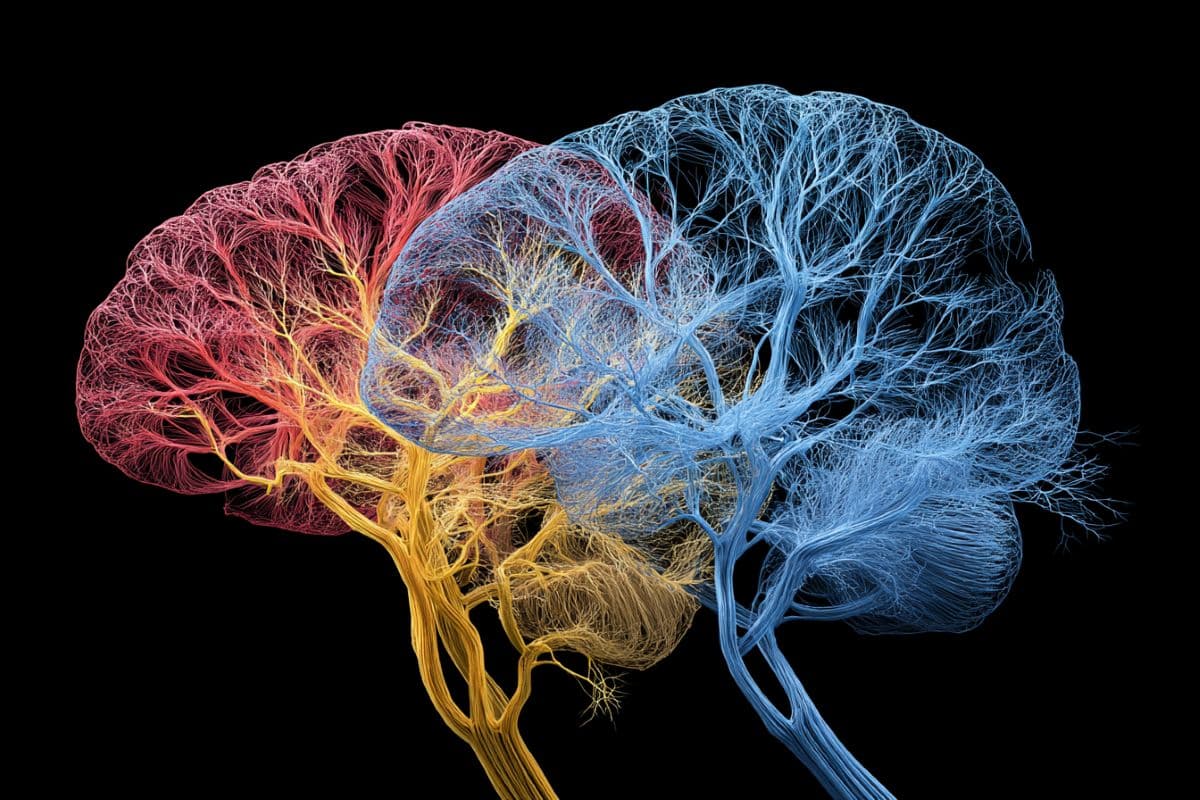
Two Distinct Autism Subtypes Identified Via Brain Connectivity
Companies Mentioned
Why It Matters
Linking brain‑network signatures to specific molecular mechanisms enables targeted therapies, shifting autism treatment from a one‑size‑all model to personalized, biology‑driven interventions.
Key Takeaways
- •Hypoconnectivity subtype tied to synaptic gene disruptions.
- •Hyperconnectivity subtype driven by immune‑related pathways.
- •Subtypes explain ~25% of autism cases in the study.
- •Findings validated across 20 mouse models and global fMRI datasets.
- •Biomarker framework paves way for precision autism treatments.
Pulse Analysis
Autism’s clinical variability has long frustrated clinicians, who rely on behavioral checklists that mask underlying biology. The new cross‑species connectivity analysis cuts through that ambiguity by anchoring brain‑network patterns to molecular pathways. By pairing human fMRI data with mouse models engineered to reflect specific genetic and immune alterations, the researchers created a translational "Rosetta Stone" that maps connectivity signatures directly onto synaptic or immune mechanisms. This approach not only confirms that distinct neurobiological routes exist within the spectrum but also quantifies their prevalence, showing that roughly a quarter of cases fall into two reproducible categories.
The methodology leverages the Autism Brain Imaging Data Exchange (ABIDE), a global repository of over 1,000 scans, and integrates it with detailed gene‑expression profiling from 20 mouse models. Advanced clustering techniques isolated two opposing connectivity phenotypes: one marked by reduced inter‑regional communication and enriched for synaptic genes, the other by excessive signaling and enriched for immune‑related transcripts. Importantly, these patterns held steady across multiple sites and independent datasets, underscoring their robustness. By demonstrating that functional dysconnectivity mirrors distinct molecular etiologies, the study bridges a critical gap between neuroimaging and genetics that has hampered therapeutic development.
For industry and research, the implications are immediate. Biomarkers that differentiate synaptic versus immune‑driven autism open pathways for stratified clinical trials, allowing drugs targeting synaptic function or neuroinflammation to be matched with the appropriate patient subgroup. Health systems can envision more precise diagnostic pipelines, reducing trial‑and‑error prescribing and improving outcomes. As larger datasets become available, the framework can be expanded to uncover additional subtypes, ultimately reshaping the autism care landscape toward truly personalized medicine.
Two Distinct Autism Subtypes Identified Via Brain Connectivity
Comments
Want to join the conversation?
Loading comments...