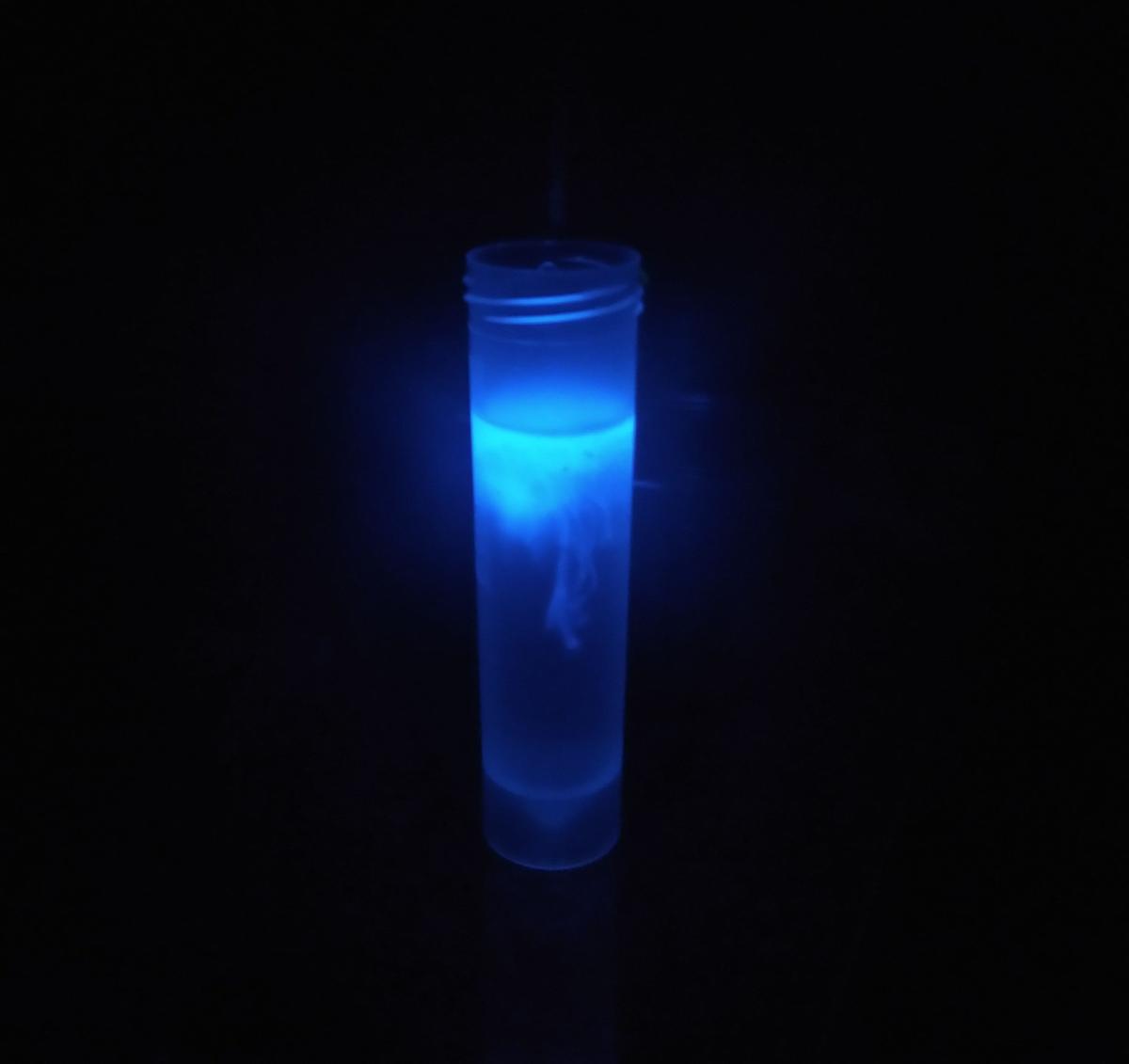
Two Men Stole a Glowing Blue Cylinder in an Abandoned Hospital—And Unleashed a Nuclear Nightmare
Why It Matters
The disaster highlighted the lethal potential of unsecured radioactive sources, prompting stricter global controls and reshaping how the scrap‑metal industry handles radiological hazards.
Key Takeaways
- •Two thieves stole a cesium‑137 source, sparking massive contamination
- •The capsule glowed blue, alerting locals to dangerous radiation
- •Four died, ~250 irradiated, regional cancer rates increased
- •Brazil enacted stricter licensing and disposal rules for radioactive sources
- •IAEA coordinated cleanup, completing decontamination by March 1988
Pulse Analysis
The Goiânia accident remains a cautionary tale of how a seemingly obsolete medical device can become a public health catastrophe when abandoned without proper safeguards. The cesium‑137 teletherapy unit, left behind after a clinic upgrade, was an attractive target for scrap dealers because of its metal components. When the thieves dismantled the source, the radioactive cesium chloride salt spilled, producing a distinctive blue glow that drew curious onlookers and set off a chain reaction of exposure. Within days, dozens of residents experienced acute radiation sickness, and the incident quickly escalated into a national emergency.
Response efforts were spearheaded by Brazil’s National Nuclear Energy Commission and the International Atomic Energy Agency, which deployed teams to locate and secure contaminated material. By early October, all identifiable sources were recovered, and decontamination of homes, schools, and a bustling market was largely completed by Christmas. The cleanup, however, extended into March 1988 to ensure long‑term safety. The tragedy claimed four lives, including a brave citizen who recognized the danger, and left roughly 250 people with measurable radiation doses, contributing to a sustained increase in breast‑cancer incidence in the region. Legal action against negligent clinic staff underscored the need for accountability in radiation handling.
Globally, the Goiânia event reshaped policies governing radioactive sources. Brazil introduced rigorous licensing, mandatory tracking, and secure storage requirements for medical isotopes, while the IAEA strengthened its guidelines on orphan sources and promoted international information sharing. The incident also prompted the scrap‑metal industry to adopt radiation detection equipment as a standard precaution, reducing the risk of similar thefts. Today, the lessons from Goiânia inform ongoing debates about radiological security, especially as nations modernize aging medical infrastructure and grapple with the dual promise and peril of nuclear technology.
Two Men Stole a Glowing Blue Cylinder in an Abandoned Hospital—and Unleashed a Nuclear Nightmare
Comments
Want to join the conversation?
Loading comments...