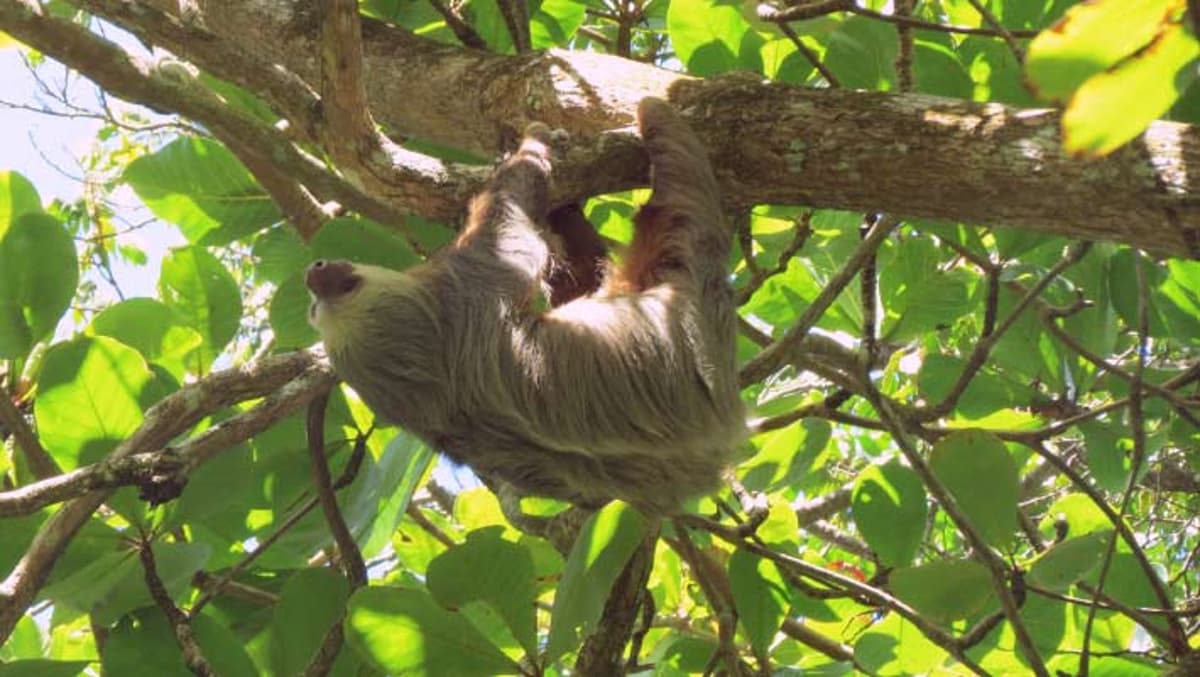
Two-Toed Sloths May Be Three Distinct Species, New Research Suggests
Why It Matters
Recognizing cryptic sloth lineages reshapes our understanding of Amazonian biodiversity and directs conservation resources toward distinct evolutionary units before they are lost to habitat degradation.
Key Takeaways
- •Genome analysis reveals *C. hoffmanni* is paraphyletic, splitting into distinct lineages
- •At least three deep genetic lineages exist across Amazonian two‑toed sloths
- •Divergence dates align with Andes uplift (~4.6 Myr) and Quaternary glaciations (~2.6 Myr)
- •Cryptic diversity complicates current taxonomy and hinders accurate conservation planning
- •Findings urge targeted protection for newly identified evolutionary units before habitat loss
Pulse Analysis
The recent genomic investigation into two‑toed sloths overturns a century‑old taxonomic view by exposing hidden genetic structure within *Choloepus*. By combining publicly available mitochondrial sequences with newly generated whole‑genome data, the team mapped population clusters across the Amazon basin. This high‑resolution approach revealed that the western and eastern populations of *C. hoffmanni* are not monophyletic; instead, they form separate lineages that diverge as sharply as the recognized species *C. didactylus*. Such cryptic diversity is a reminder that morphological similarity can mask deep evolutionary splits, especially in slow‑moving, arboreal mammals.
The timing of these splits aligns with major geological and climatic events. The first major divergence, around 4.6 million years ago, coincides with the final uplift of the Andes, a barrier that reshaped river systems and forest corridors. A second pulse, roughly 2.6 million years ago, matches the onset of Quaternary glaciations, which fragmented Amazonian rainforests into isolated refugia. These environmental pressures likely forced sloth populations into separate pockets, driving independent evolutionary trajectories. Understanding these historic drivers provides a template for interpreting how current climate change and deforestation might further fragment habitats.
From a conservation standpoint, the discovery of multiple, genetically distinct lineages demands a reassessment of protection priorities. Traditional species‑level assessments may overlook vulnerable units that lack formal recognition. By identifying evolutionary significant units, policymakers can design targeted reserves that preserve the full spectrum of sloth diversity. Moreover, the study underscores the power of genomic tools in uncovering hidden biodiversity, a capability that can be applied to other understudied taxa across the Amazon and beyond, ensuring that conservation strategies are grounded in robust evolutionary evidence.
Two-Toed Sloths May Be Three Distinct Species, New Research Suggests
Comments
Want to join the conversation?
Loading comments...