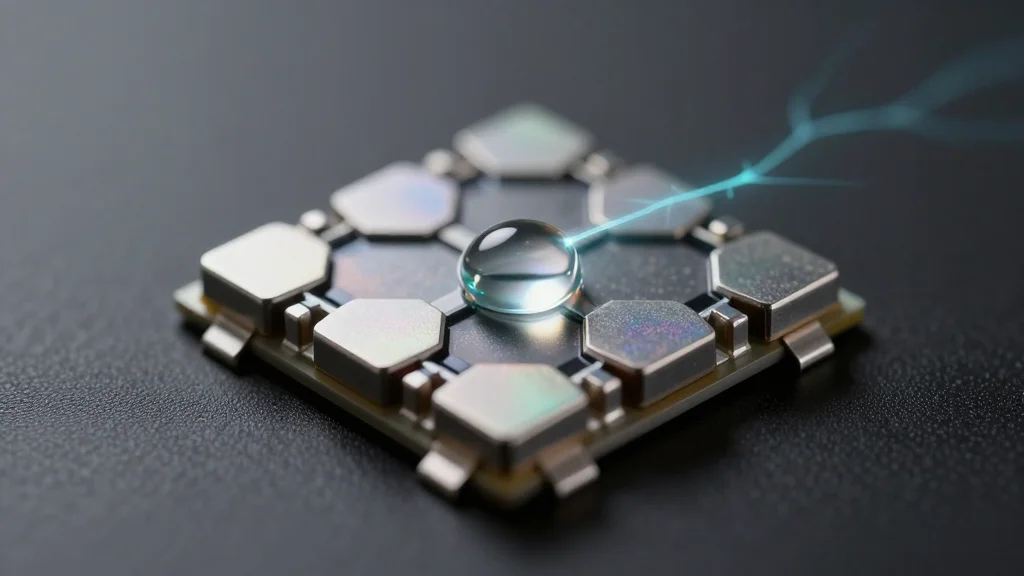
Ultrasensitive Detection of Neurofilament Light in Plasma Using F(Ab’)2‐Modified Graphene Field‐Effect Biosensor
Why It Matters
Ultra‑sensitive, low‑cost NfL detection brings rapid neurological diagnostics to bedside, cutting dependence on expensive lab equipment. This could accelerate disease monitoring and treatment decisions for conditions like ALS and multiple sclerosis.
Key Takeaways
- •F(ab’)2 fragments cut Debye screening, boosting GFET sensor sensitivity
- •Detection limit reaches 0.18 pg/mL, five times lower than whole‑antibody GFETs
- •Dynamic range spans 0.18 pg/mL to 1.5 ng/mL, covering clinical needs
- •Correlation of 0.99 with Simoa validates accuracy for plasma samples
- •Platform promises point‑of‑care testing, reducing reliance on complex labs
Pulse Analysis
Neurofilament light chain has emerged as a pivotal blood biomarker for neurodegenerative and traumatic brain injuries, yet its clinical uptake is hampered by the need for high‑cost, centralized platforms such as Simoa and immunoprecipitation‑mass spectrometry. These technologies demand sophisticated instrumentation and skilled technicians, creating bottlenecks in timely diagnosis. The drive toward decentralized testing has spurred interest in electronic biosensors that can translate molecular binding events into measurable electrical signals, offering a path to rapid, on‑site results.
The new GFET biosensor leverages the unique properties of graphene—its atomically thin lattice and high carrier mobility—to transduce NfL binding into a field‑effect response. By anchoring F(ab’)2 fragments rather than full antibodies, the device mitigates the Debye screening effect that typically blunts signal strength in physiological buffers. Quantitative surface chemistry using PBASE ensures uniform fragment orientation, yielding a 114% sensitivity increase and a detection limit of 0.18 pg/mL, well within the range needed for early disease detection. The sensor’s wide dynamic range and reproducibility further position it as a viable alternative to laboratory‑bound assays.
Clinically, the GFET’s near‑perfect correlation with Simoa (R² = 0.99) validates its accuracy, while its compact, low‑power design promises point‑of‑care deployment in hospitals, outpatient clinics, and even remote settings. By eliminating the need for bulky optics and consumables, the technology could lower per‑test costs and expand access to NfL monitoring, potentially reshaping care pathways for multiple sclerosis, amyotrophic lateral sclerosis, and traumatic brain injury. As the market for rapid neurodiagnostics grows, graphene‑based sensors may capture a significant share, driving further investment in scalable manufacturing and regulatory approval processes.
Ultrasensitive Detection of Neurofilament Light in Plasma Using F(Ab’)2‐Modified Graphene Field‐Effect Biosensor
Comments
Want to join the conversation?
Loading comments...