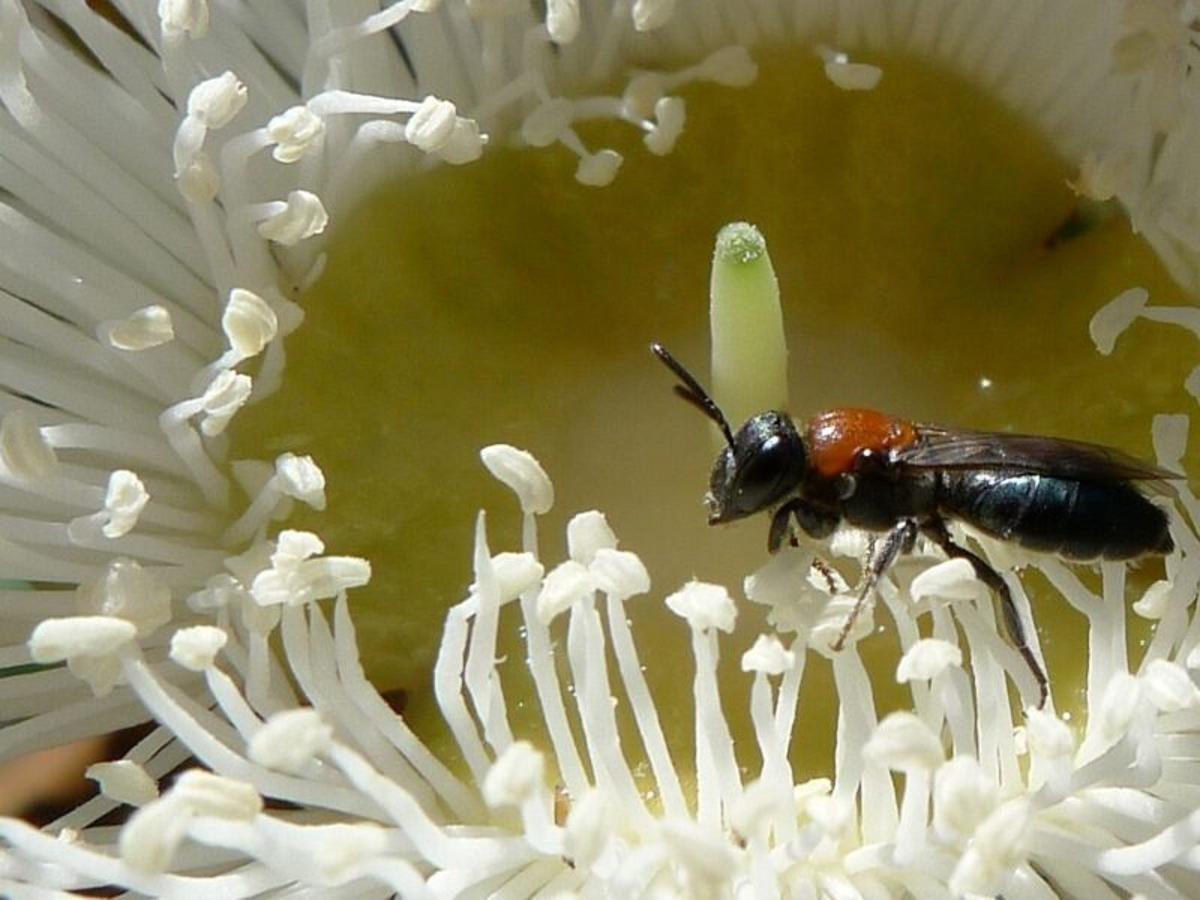
Underground Bees Could Be Better Armed for Global Warming
Why It Matters
The findings overturn assumptions that heat‑tolerant species are safest, reshaping risk assessments for pollination services and guiding targeted conservation under climate change.
Key Takeaways
- •Stem-nesting bees face smallest heat safety margin
- •Ground-nesters benefit from cooler soil microclimates
- •Heat tolerance doesn’t guarantee climate resilience
- •Tropical bee species are closest to thermal limits
- •Nesting behavior doubles predictive power for vulnerability
Pulse Analysis
The new Nature Communications paper examined 95 native Australian bee species, testing the temperature at which individuals lose coordinated movement. By measuring nearly 3,500 bees across a latitudinal gradient, the researchers showed that nesting ecology, not just regional climate, explains most of the variation in heat tolerance. Stem‑nesting species endure the hottest microclimates, leaving them with a razor‑thin safety margin, while ground‑nesters enjoy the buffering effect of soil. This pattern exemplifies the ‘Bogert effect,’ where behavior shapes physiological evolution and strengthens predictive models. These insights also aid in refining species distribution models under future warming scenarios.
Australia’s pollination economy depends on native bees for high‑value crops such as macadamias, avocados, mangoes and lychees. The study’s finding that the most heat‑tolerant species are also the most vulnerable reshapes risk assessments for these commodities. As temperatures climb, stem‑nesting pollinators could decline, potentially reducing yields and raising production costs. Integrating nest‑microclimate data into agricultural forecasting offers a more realistic picture of future pollinator services, helping growers and policymakers allocate resources toward resilient crop varieties and targeted habitat interventions. Such proactive planning can offset potential economic losses and maintain export competitiveness.
Conservation strategies should prioritize stem‑nesting bees, whose limited thermal buffer leaves little room for adaptation. Protecting and restoring vegetation that provides shaded stems, as well as creating artificial nest tubes with insulating materials, could mitigate extreme heat exposure. The research also highlights a broader knowledge gap: most of Australia’s 1,700 native bee species remain understudied. Investing in long‑term monitoring and incorporating behavioral traits into climate‑impact models will improve predictions worldwide, informing biodiversity policies that safeguard pollination services essential to food security. Collaboration between researchers, land managers, and industry will be key to implementing these measures.
Underground bees could be better armed for global warming
Comments
Want to join the conversation?
Loading comments...