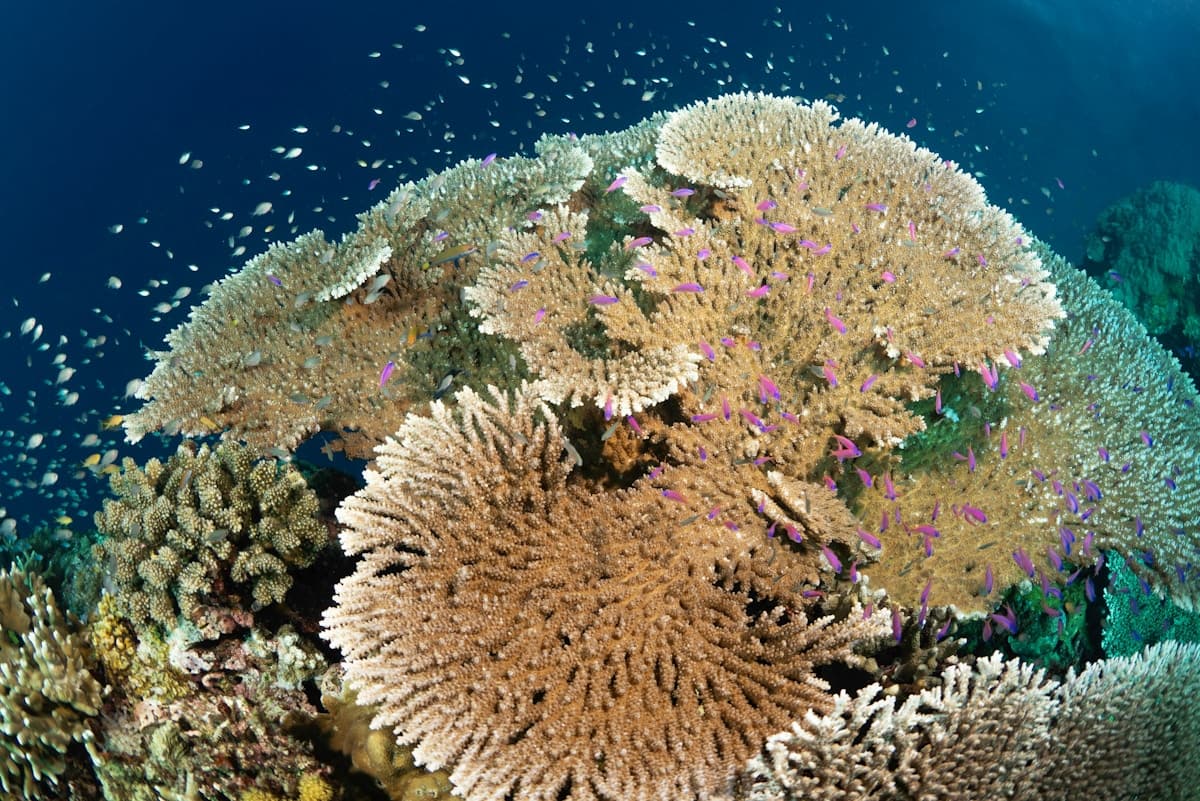
Underground Pollution Is Threatening the Philippines’ Corals
Why It Matters
SGD adds a largely invisible but potent source of nutrients and toxins to reef ecosystems, amplifying eutrophication and jeopardizing fisheries, tourism, and coastal protection that millions of Filipinos depend on.
Key Takeaways
- •SGD delivers nutrients directly to reefs, bypassing surface monitoring
- •Only ~30% of Philippine wastewater is treated, fueling SGD pollution
- •SGD nutrient loads can exceed river inputs, driving harmful algal blooms
- •Manila targets 80% sewer coverage by 2047
- •Guidance tools link sanitation and reef health, but high costs hinder adoption
Pulse Analysis
Submarine groundwater discharge (SGD) has emerged as a silent conduit for pollutants from land to sea, especially across the Philippines’ volcanic archipelago. Unlike visible river runoff, SGD moves through porous rock, releasing concentrated nitrogen, phosphorus, and even pharmaceuticals directly onto reef flats. Recent studies suggest that in many coastal zones, the volume and nutrient intensity of SGD surpass river contributions, making it a critical yet under‑recognized driver of eutrophication and coral stress.
The ecological fallout is stark. Elevated nutrient loads from untreated wastewater trigger frequent harmful algal blooms—so‑called red tides—that smother corals, deplete oxygen, and pose health risks to swimmers. On Boracay and Santiago Island, scientists have detected caffeine, painkillers, and high nitrogen levels in groundwater emerging beneath reefs, correlating with coral bleaching and disease. Coupled with climate‑driven warming and intensified storm events, SGD creates a volatile mix that accelerates reef degradation, threatening the fisheries and tourism sectors that support over two million Filipinos.
Addressing the hidden threat requires policy shifts and integrated solutions. Manila’s new sewerage plan aims to connect 80% of residents by 2047, a crucial step toward reducing the wastewater that fuels SGD. Meanwhile, mapping projects—mirroring Hawaii’s effort to chart over 1,000 contaminated groundwater entry points—inform infrastructure upgrades and community‑led septic retrofits. Toolkits from the Wildlife Conservation Society now bridge sanitation experts and marine scientists, offering practical guidance despite cost challenges. Incorporating SGD into national nutrient budgets and coastal management frameworks will be essential to safeguard the Philippines’ coral treasures and the livelihoods they underpin.
Underground pollution is threatening the Philippines’ corals
Comments
Want to join the conversation?
Loading comments...