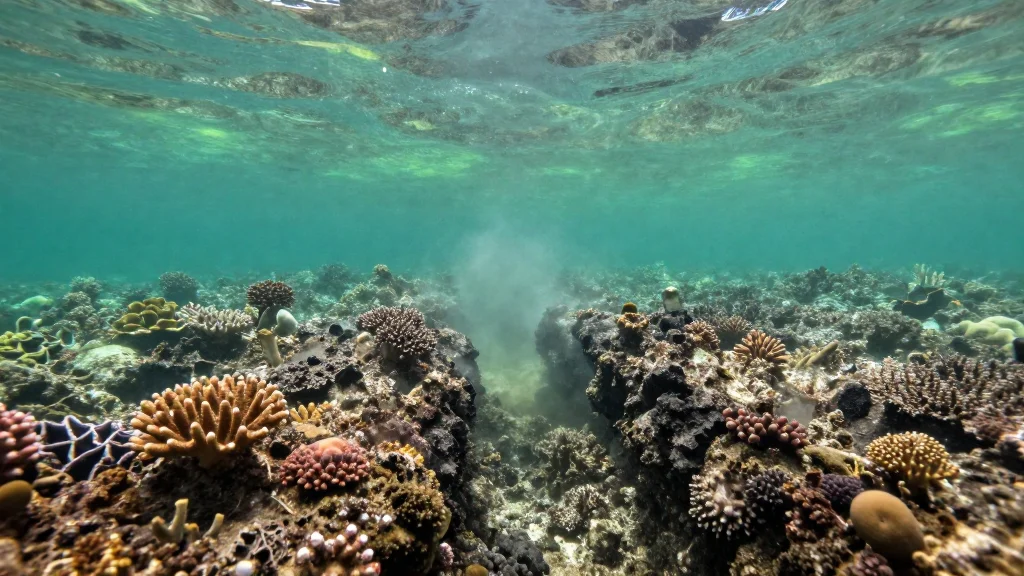
Underground Pollution Is Threatening the Philippines’ Corals
Companies Mentioned

Why It Matters
SGD‑driven pollution threatens the Philippines’ coral reefs, jeopardizing fisheries, tourism revenue, and coastal protection, while compounding climate‑change impacts.
Key Takeaways
- •Submarine groundwater discharge (SGD) carries untreated wastewater into coastal reefs.
- •Only ~15% of Metro Manila connects to sewage, fueling SGD pollution.
- •SGD nutrient loads can exceed river inputs, driving harmful algal blooms.
- •Climate‑intensified storms amplify groundwater flow, increasing reef contamination spikes.
- •Integrated monitoring, like Hawaii’s mapping, guides infrastructure upgrades and reef protection.
Pulse Analysis
Submarine groundwater discharge (SGD) has emerged as a critical, yet overlooked, pathway for pollutants to reach the Philippines’ coral reefs. The archipelago’s volcanic substrate, characterized by highly permeable rocks, allows untreated wastewater—stemming from a sewage coverage of merely 15% in Metro Manila—to seep underground and emerge along coastlines. Scientific studies now show that the volume and nutrient concentration of SGD can surpass that of rivers, delivering nitrogen, phosphorus, and even pharmaceuticals directly to reef ecosystems. This hidden flux intensifies eutrophication, fuels red‑tide events, and accelerates coral disease, compounding the stressors of rising sea temperatures.
The ecological stakes translate into tangible economic losses. Coral reefs underpin a $2 billion fisheries sector and support tourism hotspots such as Boracay, where a 2018 six‑month closure over environmental degradation cost nearly $1 billion and displaced 36,000 workers. Frequent algal blooms degrade water quality, deter swimmers, and threaten public health, while storm‑driven surges in SGD create unpredictable pollution pulses. As climate change amplifies storm intensity, the timing and magnitude of groundwater‑borne contaminant loads become increasingly erratic, threatening the resilience of reef‑dependent livelihoods.
Policy responses have lagged behind the science. Manila’s ambitious plan to extend sewerage to 80% of the capital by 2047 marks progress, yet SGD remains absent from nutrient‑budget frameworks and regulatory agendas. International examples, such as Hawaii’s mapping of over 1,000 SGD entry points, illustrate how integrated monitoring can inform targeted infrastructure upgrades, septic‑system retrofits, and community outreach. Organizations like the Wildlife Conservation Society are developing cross‑sector toolkits that bridge ocean conservation with sanitation engineering, offering practical guidance for local governments and tourism operators. Scaling these approaches across the Philippines could curb hidden pollution, safeguard reef health, and preserve the economic engine of its coastal communities.
Underground pollution is threatening the Philippines’ corals
Comments
Want to join the conversation?
Loading comments...