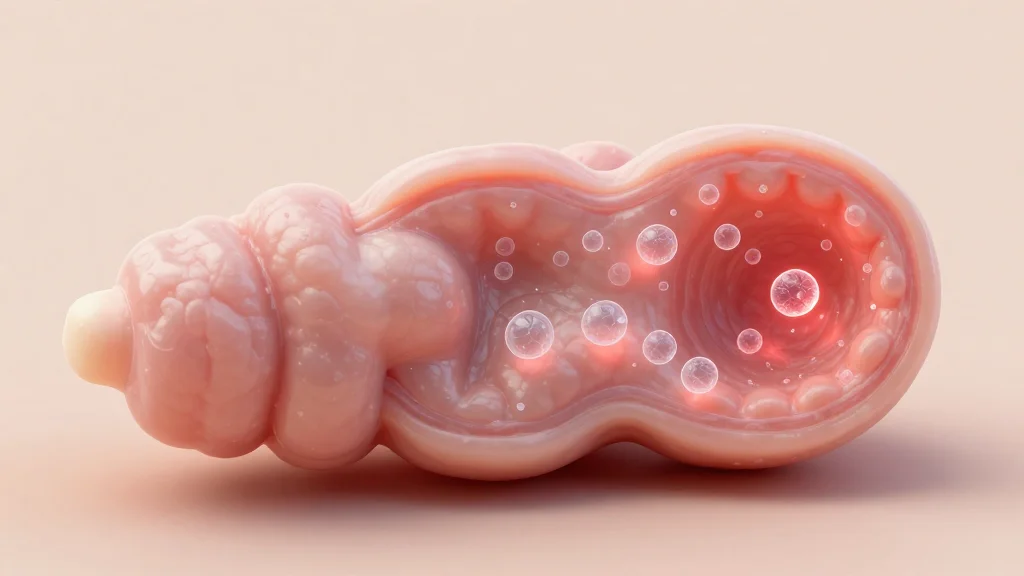
Unraveling PET-MPs’ Role in Inflammatory Bowel Disease
Why It Matters
By linking a ubiquitous pollutant to IBD mechanisms, the study opens avenues for precision therapeutics and informs policy aimed at reducing microplastic‑related health burdens.
Key Takeaways
- •PET microplastics trigger TNF‑α and IL‑6 overactivation in gut
- •Machine‑learning models pinpoint gene expression shifts from PET‑MP exposure
- •Docking shows PET particles bind gut epithelial receptors, initiating inflammation
- •Findings suggest new drug targets to block microplastic‑protein interactions
- •Study calls for stricter microplastic regulations to curb IBD risk
Pulse Analysis
Microplastic contamination has moved from an ecological concern to a pressing medical question, especially as inflammatory bowel disease rates climb worldwide. The recent investigation into PET‑MPs provides the first systems‑biology map that connects ingested plastic particles to gut inflammation. By leveraging vast transcriptomic and proteomic datasets, the researchers trained machine‑learning algorithms to flag gene‑expression patterns uniquely altered by PET exposure, establishing a data‑driven foundation for future toxicology studies.
The integration of molecular‑docking simulations added a mechanistic layer, confirming that PET‑MPs can physically bind to key cytokine regulators such as TNF‑α and IL‑6, as well as to pattern‑recognition receptors on epithelial cells. This dual‑approach not only validates computational predictions but also pinpoints precise interaction sites that could be blocked by small‑molecule inhibitors or biologics. Pharmaceutical developers can now explore a novel class of agents aimed at disrupting these microplastic‑protein contacts, potentially mitigating a previously unrecognized driver of chronic gut inflammation.
Beyond drug discovery, the findings carry weight for public‑health strategy. Demonstrating a causal link between everyday plastic exposure and IBD strengthens the case for stricter microplastic emission standards and enhanced food‑water safety monitoring. The authors also call for biosensor technologies capable of detecting PET‑MPs in biological tissues, a step that could translate laboratory insights into clinical diagnostics. As research expands to include microbiome interactions and in‑vivo validation, the study sets a benchmark for interdisciplinary collaboration between environmental scientists, clinicians, and policymakers.
Unraveling PET-MPs’ Role in Inflammatory Bowel Disease
Comments
Want to join the conversation?
Loading comments...