
Why It Matters
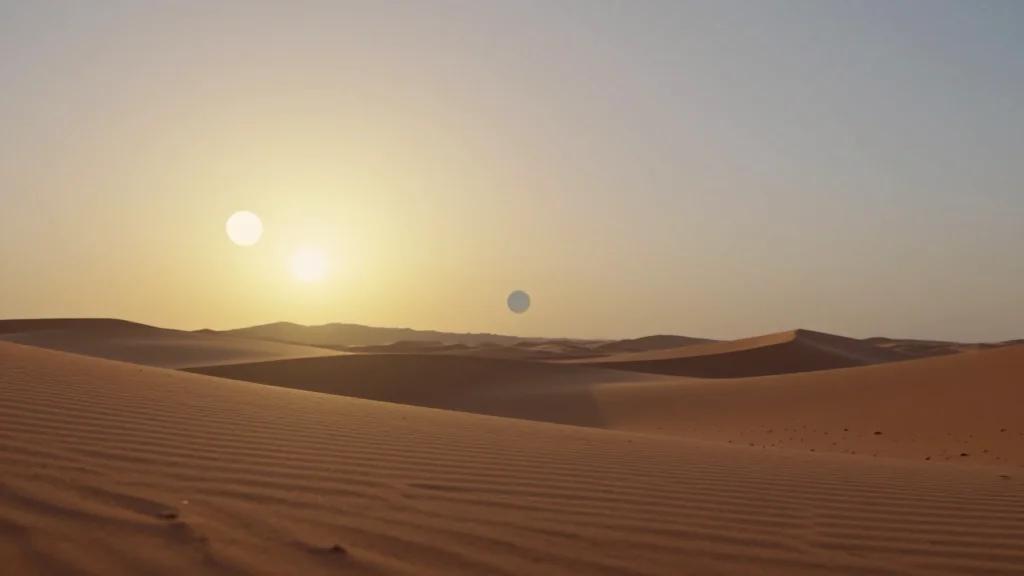
The discovery of a Tatooine‑class circumbinary planet challenges the long‑standing bias toward single‑star planetary systems and forces a reevaluation of planet‑formation models that have largely ignored binary dynamics. By demonstrating that robust, potentially habitable worlds can exist in the complex gravitational environment of twin suns, the finding expands the search space for life‑bearing planets and informs target selection for future telescopes. Moreover, the successful deployment of the apsidal‑precession method signals a paradigm shift in exoplanet detection. It provides a scalable way to mine existing transit data for hidden planets, potentially multiplying the known exoplanet inventory without the need for new space missions. This methodological advance could accelerate the pace of discovery and diversify the types of planetary systems we study, enriching our understanding of the galaxy’s planetary architecture.
Key Takeaways
- •UNSW team detects 27 strong circumbinary planet candidates using a new apsidal‑precession technique.
- •First confirmed Tatooine‑class planet identified, orbiting twin suns.
- •Method leverages TESS data and monitors eclipse timing variations, bypassing line‑of‑sight limitations.
- •Only 18 circumbinary planets were known before this study, highlighting the rarity of such worlds.
- •Findings published today in the Monthly Notices of the Royal Astronomical Society.
Pulse Analysis
The UNSW discovery underscores a turning point in exoplanet science: detection is no longer confined to the narrow corridor of transit geometry. By exploiting the subtle gravitational dance of binary stars, researchers have opened a new observational window that could dramatically increase the census of exoplanets, especially those in dynamically complex environments. Historically, binary systems were considered hostile to planet formation, leading to their exclusion from many target lists. This study flips that narrative, showing that not only can planets form, they can also settle into stable, wide orbits that may support temperate climates.
From a market perspective, the technique promises a high return on existing data assets. Agencies and private firms that have invested heavily in TESS and similar missions can now extract additional scientific value without further launch costs. This could spur a wave of secondary analyses, driving demand for specialized software and expertise in orbital dynamics. Companies offering data‑processing pipelines may see new revenue streams as the community adopts apsidal‑precession searches.
Looking ahead, the confirmation of the Tatooine‑class planet will likely become a benchmark case for atmospheric characterization. If JWST or future missions can capture its spectral signatures, the data will feed directly into habitability models for binary systems, influencing everything from target prioritization for SETI to the design of next‑generation telescopes. In short, the discovery not only adds a new world to the catalog but also reshapes the strategic roadmap for exoplanet exploration.
UNSW Team Finds First Tatooine‑Class Planet Around Twin Suns
Comments
Want to join the conversation?
Loading comments...