Why It Matters
Separating indirect maternal effects from direct genetics clarifies targets for prenatal interventions and improves autism risk prediction models, influencing both research priorities and clinical strategies.
Key Takeaways
- •Novel cousin‑pair analysis separates direct and indirect maternal genetic effects
- •Indirect effects linked to prenatal environment, shared only with sisters
- •Direct genetic risks include epilepsy and personality disorders across siblings
- •Findings could refine autism risk prediction and early‑intervention strategies
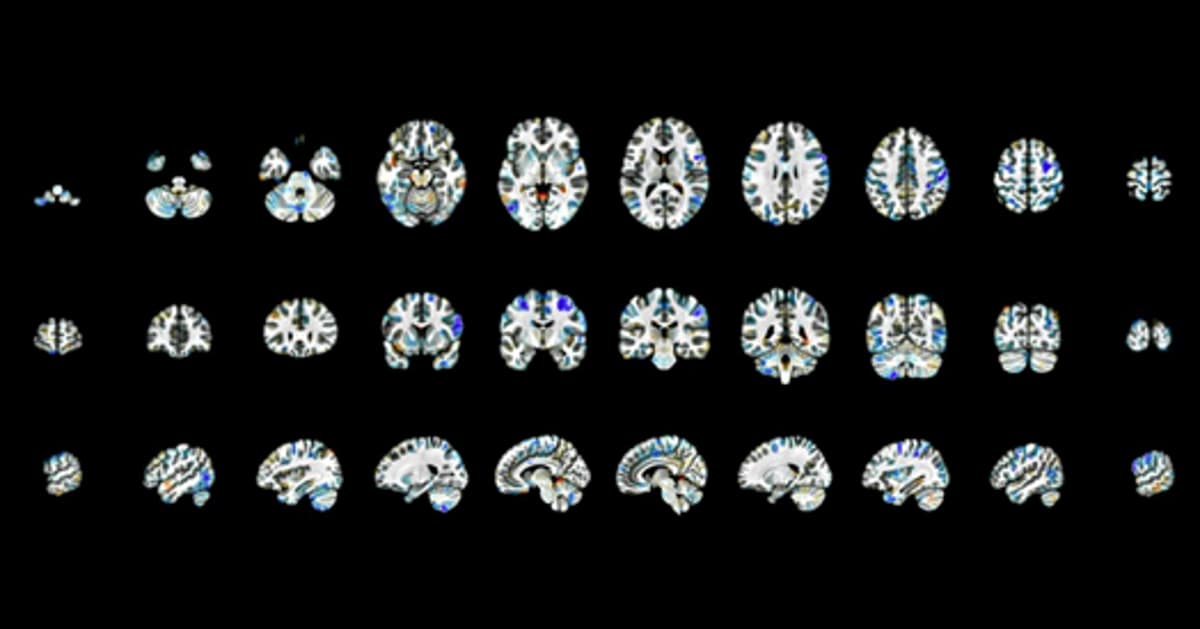
- •Sensory‑insula connectivity shows sex‑specific autism patterns
Pulse Analysis
The Danish cousin‑pair approach leverages the country’s comprehensive birth registry to compare maternal cousins who share varying degrees of genetic overlap. By contrasting maternal cousin pairs with sisters versus brothers, the researchers could isolate effects that travel through the prenatal environment from those embedded in the genome itself. This methodological breakthrough provides a clearer map of how maternal health conditions—such as obstetric complications or affective disorders—may shape neurodevelopmental outcomes beyond direct DNA transmission.
Understanding these indirect pathways has immediate implications for autism risk modeling. Traditional polygenic risk scores often conflate inherited and environmental influences, obscuring actionable insights. By pinpointing prenatal environmental mediators, clinicians can target modifiable factors—maternal nutrition, stress management, and obstetric care—to mitigate risk before birth. The study also dovetails with a wave of recent autism research, from RBFOX1 promoter repeats to sensory‑driven insular connectivity, underscoring a multidisciplinary push toward precision prevention.
Sex differences emerge as another critical dimension. The reported stronger negative association between sensory sensitivity and insula connectivity in autistic boys versus girls suggests that biological sex modulates how prenatal and genetic factors manifest neurologically. Future investigations will need to integrate these sex‑specific signatures with the indirect genetic effects identified here, paving the way for tailored interventions that respect both genetic background and gender‑related neurodevelopmental trajectories.
Untangling genetic effects, and more
Comments
Want to join the conversation?
Loading comments...