Why It Matters
M82’s superwind provides a natural laboratory for studying stellar feedback and metal enrichment of the intergalactic medium, key processes that shape galaxy evolution.
Key Takeaways
- •M82's starburst powered by supernovae and massive star winds
- •Superwind ejects heavy elements into intergalactic space
- •Burst triggered by tidal encounter with neighboring galaxy M81
- •33 hours of narrow‑band data reveal red hydrogen outflow filaments
- •Star formation surge expected to continue for ~100 million years
Pulse Analysis
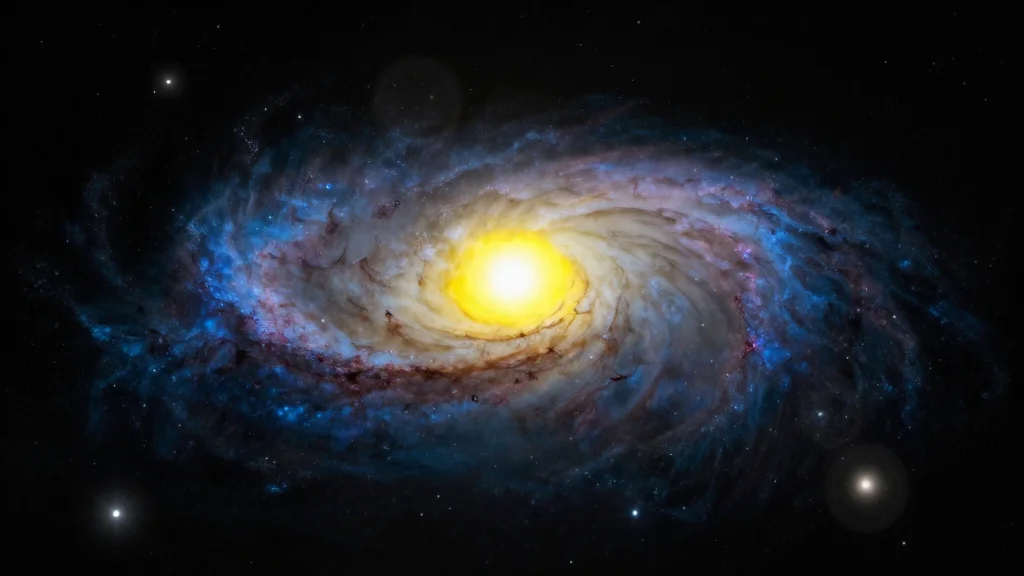
Messier 8, popularly called the Cigar Galaxy, has become the focus of the latest Astronomy Picture of the Day, offering a vivid illustration of a galaxy in the throes of a starburst. The image combines 33 hours of narrow‑band observations that isolate the red glow of ionized hydrogen, tracing filaments that stretch thousands of light‑years from the galaxy’s core. This level of detail, rarely achieved in single‑exposure shots, underscores how modern telescopes and long‑duration imaging campaigns can reveal the dynamic structures that drive galactic evolution.
The starburst in M82 is powered by a cascade of supernova explosions and intense stellar winds from massive, short‑lived stars. Together they generate a superwind—a high‑velocity outflow that carries gas enriched with heavy elements such as carbon, oxygen, and iron into the surrounding intergalactic medium. This feedback mechanism is a cornerstone of astrophysical theory, regulating future star formation within the host galaxy while seeding the cosmos with the building blocks of planets and life. Observations of M82’s outflow therefore provide direct evidence of how galaxies recycle material and influence their larger environment.
Astronomers trace the current burst to a close gravitational encounter with the nearby spiral galaxy M81, an interaction that compressed gas and ignited rapid star formation. Models predict the heightened activity will endure for about 100 million years before the gas supply dwindles. Ongoing monitoring of M82, complemented by upcoming missions like the James Webb Space Telescope, will refine our understanding of starburst lifecycles and the role of galactic collisions in shaping the observable universe.
Untitled
Comments
Want to join the conversation?
Loading comments...