Why It Matters
Understanding the Saros cycle enables precise eclipse forecasting, supporting scientific research and public outreach. Accurate predictions also aid mission planning and educational programming worldwide.
Key Takeaways
- •Saros 133 eclipses repeat every 18 years, 11⅓ days
- •2008 and 2026 lunar eclipses appear nearly identical
- •Next total lunar eclipse in Saros 133: March 13, 2044
- •Saros cycle predicts Sun‑Earth‑Moon geometry alignment
- •APOD showcases educational value of eclipse pattern recognition
Pulse Analysis
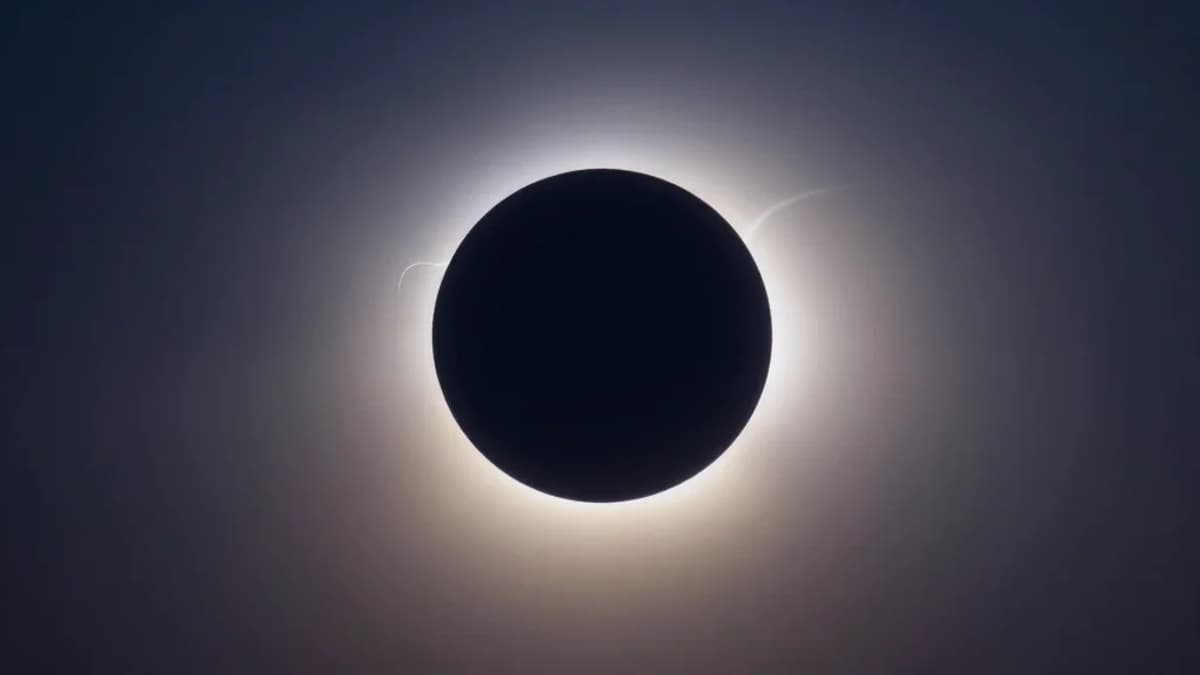
The March 7, 2026 APOD entry pairs a 2008 lunar‑eclipse frame with the fresh March 3, 2026 total eclipse, highlighting the visual symmetry that the Saros cycle guarantees. By presenting the two images side by side, NASA not only celebrates astrophotography but also offers a tangible illustration of how celestial mechanics repeat with clockwork precision. This visual cue reinforces the concept that every 18 years, 11⅓ days, the Sun, Earth, and Moon return to an almost identical alignment, producing eclipses that look strikingly alike.
The Saros cycle, first identified by ancient Babylonian astronomers, remains a cornerstone of modern eclipse prediction. Its 18‑year cadence allows scientists to forecast the timing, duration, and geographic visibility of both lunar and solar eclipses years in advance. Researchers leverage this predictability for atmospheric studies, gravitational experiments, and calibrating space‑based instruments that rely on precise lunar illumination. Moreover, mission planners use Saros data to schedule satellite observations and crewed missions that benefit from the reduced solar glare during total lunar events.
Beyond the scientific realm, the APOD feature serves as a powerful outreach tool, turning a complex orbital pattern into an accessible story for educators and the public. By announcing the next Saros 133 eclipse on March 13, 2044, NASA sparks long‑term interest and provides schools with a calendar for future classroom activities. The continued use of striking imagery and concise explanations helps maintain public enthusiasm for astronomy, ensuring that each eclipse cycle becomes both a research milestone and a shared cultural experience.
Untitled
0
Comments
Want to join the conversation?
Loading comments...