Why It Matters
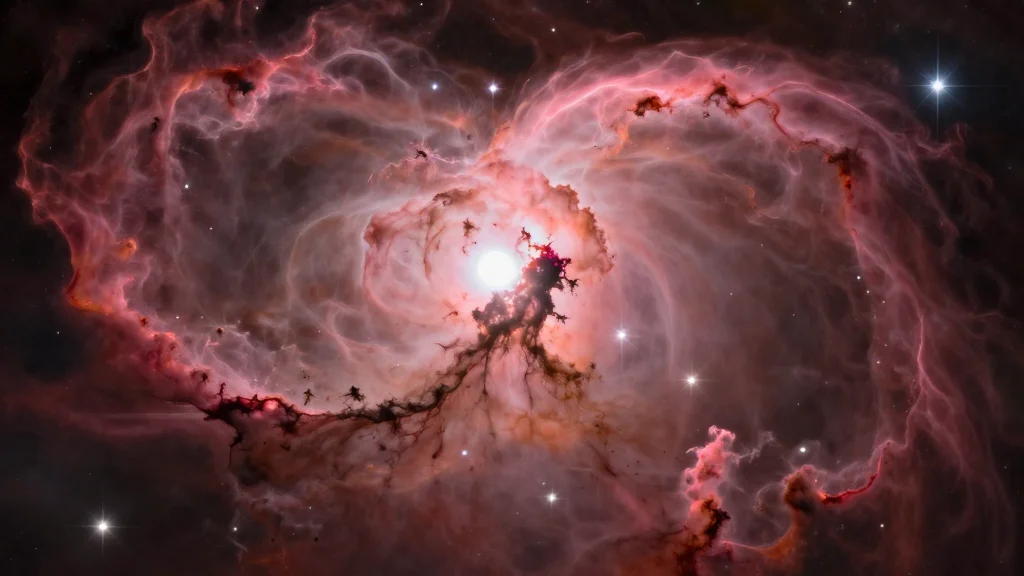
The image highlights advances in consumer astrophotography gear and boosts night‑sky tourism for the Canary Islands, illustrating how technology can turn fleeting natural events into lasting visual assets.
Key Takeaways
- •Long‑exposure imaging revealed Orion Nebula, Flame Nebula, Barnard’s Loop
- •Snow‑covered Mount Teide appears only a few days each year
- •Precise timing required for Orion to align behind Teide after sunset
- •Series of consecutive shots from same location produced the final composite
- •Image showcases capabilities of modern astrophotography cameras for faint sky features
Pulse Analysis
The latest Astronomy Picture of the Day (APOD) showcases Orion arching over Mount Teide, a visual that blends deep‑sky astronomy with terrestrial geography. Capturing such a scene demands a camera with high quantum efficiency, low read noise, and the ability to stack multiple long exposures. By aligning the camera’s sensor to the night sky just after sunset, the photographer recorded the Orion Nebula, Flame Nebula, and Barnard’s Loop—features that are invisible to the naked eye. The resulting composite, assembled from a series of frames taken at the same location, demonstrates how modern imaging pipelines can extract faint light from a bright foreground.
For the amateur astrophotography market, this image serves as a benchmark. Sensors that can handle ISO settings above 6400 without overwhelming noise, coupled with precise tracking mounts, enable enthusiasts to capture nebular detail previously reserved for professional observatories. Manufacturers are responding with faster read‑out CCDs and CMOS chips, driving price competition and expanding the hobby’s accessibility. The demand for such equipment fuels a niche segment of the camera industry, where innovations in sensor cooling and dynamic range directly translate into clearer night‑sky shots.
Beyond technology, the photograph underscores the economic ripple effect of night‑sky tourism in the Canary Islands. Snow‑capped Teide draws hikers in summer, but a brief window of snow in winter creates a unique stargazing backdrop that attracts photographers worldwide. Local businesses—hotels, guided tours, and equipment rentals—benefit from the influx of visitors seeking the perfect Orion‑over‑volcano shot. NASA’s partnership with APOD amplifies this exposure, turning a fleeting celestial alignment into a lasting promotional asset for both the region and the broader scientific community.
Untitled
Comments
Want to join the conversation?
Loading comments...