Why It Matters
Artemis II’s deep‑space maneuver validates Orion’s performance for future crewed lunar missions and re‑establishes human presence beyond low Earth orbit, a prerequisite for sustained Moon exploration and eventual Mars trips.
Key Takeaways
- •Artemis II completed first lunar flyby since Apollo 17, April 6, 2026.
- •Orion reached ~407,000 km, farthest humans from Earth since 1970.
- •Crew Wiseman, Glover, Koch, Hansen set new distance record.
- •Solar‑array‑wing camera captured selfie of spacecraft behind Moon.
- •Mission scheduled to splash down safely on flight day 10.
Pulse Analysis
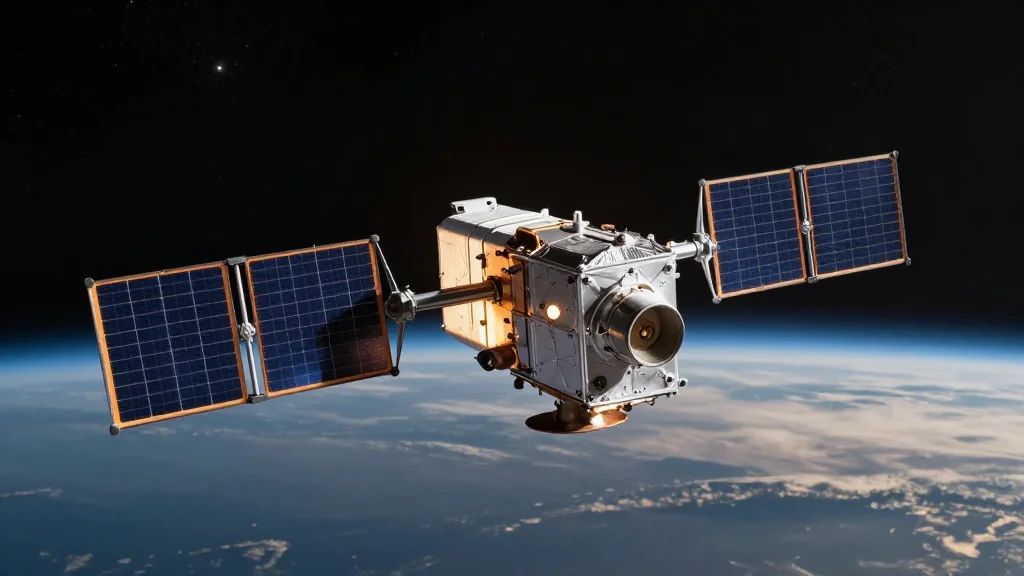
NASA’s Artemis II flight day 6 marked a watershed moment for human spaceflight, delivering the first lunar flyby in more than five decades. By looping around the Moon’s far side and reaching an altitude of roughly 407,000 km, the Orion crew not only eclipsed the Apollo 13 distance record but also demonstrated the spacecraft’s deep‑space navigation, thermal control, and communications capabilities. The mission’s high‑resolution selfie, taken by a camera mounted on a solar‑array wing, provided a striking visual of the spacecraft silhouetted against the Moon, underscoring the program’s public‑engagement value.
Beyond the imagery, Artemis II’s success carries technical weight for NASA’s broader Artemis architecture. The maneuver tested critical propulsion burns, autonomous trajectory corrections, and crew‑life‑support systems in a radiation‑rich environment far from Earth’s protective magnetosphere. These data points feed directly into the design refinements for Artemis III, which aims to land astronauts on the lunar surface later this decade, and for the Lunar Gateway, a planned orbital outpost that will serve as a staging point for deeper missions. The crew’s performance also validates the training protocols for a diverse astronaut roster, reinforcing NASA’s commitment to inclusive, long‑duration exploration.
Commercial partners stand to benefit as well. The Orion platform’s demonstrated reliability encourages investment from aerospace firms seeking to supply propulsion modules, habitat components, and lunar surface systems. Moreover, the mission’s visibility rekindles public and political support, potentially unlocking additional funding for the Artemis program and its downstream objectives, such as crewed Mars flybys in the 2030s. In sum, Artemis II’s lunar flyby not only rewrites the record books but also solidifies the operational foundation for the next era of human exploration beyond low Earth orbit.
Untitled
Comments
Want to join the conversation?
Loading comments...