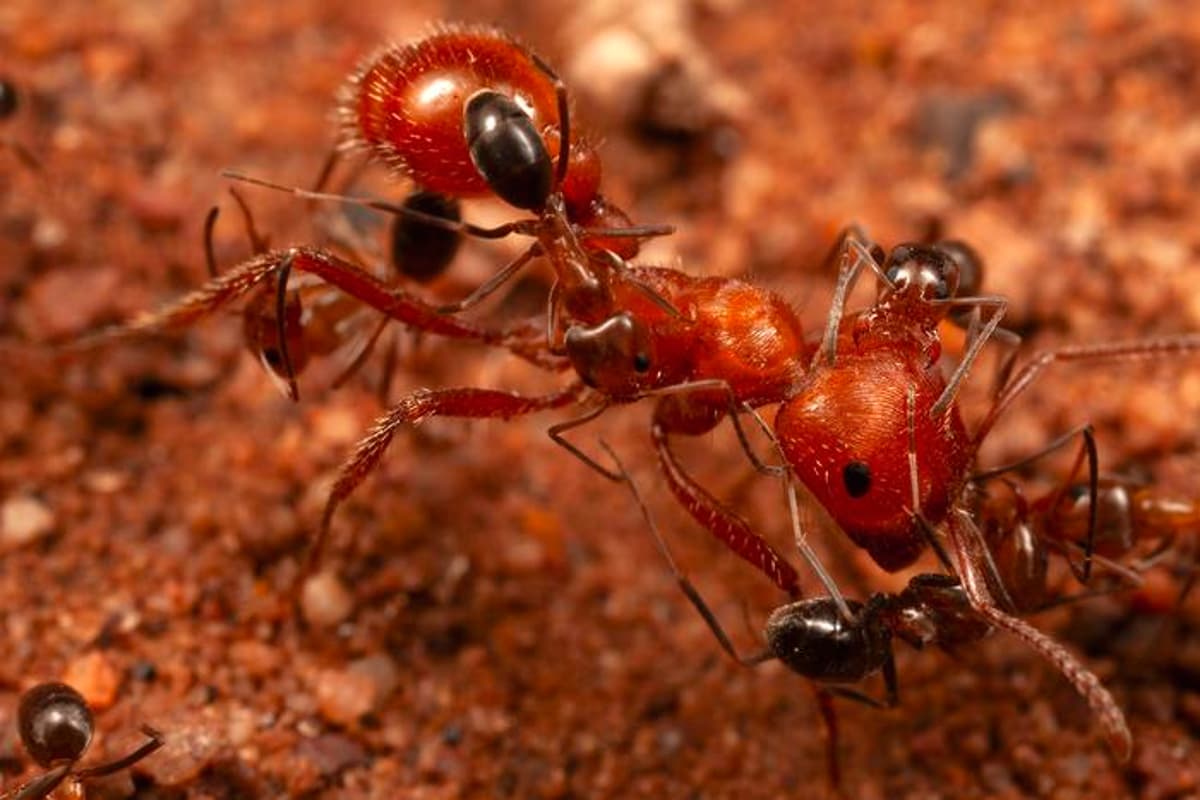
Unusual Ant Interaction Hints at Mutualistic ‘Cleaning’ System
Why It Matters
If validated, this ant‑to‑ant cleaning system would expand the known repertoire of mutualistic strategies in insects, offering new insights into disease management and resource sharing within ecosystems.
Key Takeaways
- •Cone ants lick harvester ants, resembling cleaning stations in reefs
- •Observed 90 harvester workers receiving cleaning from Dorymyrmex ants
- •Potential benefits include microbial exchange and seed‑dust nutrition
- •Harvester ants may provide high‑calorie seed dust to cone ants
- •Researchers urge PhD study to confirm mutualistic cleaning relationship
Pulse Analysis
The discovery of a potential cleaning symbiosis between Dorymyrmex cone ants and Pogonomyrmex harvester ants adds a novel chapter to the study of mutualism in terrestrial ecosystems. While marine biologists have long described fish and shrimp cleaning stations, comparable behavior among insects has been rare. By documenting over 90 instances of cone ants tending to harvester workers, Moffet provides concrete field evidence that could reshape how entomologists view inter‑species cooperation. The behavior mirrors known cleaning interactions, yet the ants’ unique physiology—especially the harvester’s seed‑laden exoskeleton—suggests a specialized niche.
From an ecological perspective, the hypothesized benefits are multifaceted. The cone ants may be harvesting nutrient‑rich seed dust, a hidden energy source that fuels their colonies, while simultaneously removing microbial contaminants that could threaten the harvester ants’ health. Such a bidirectional exchange aligns with emerging research on insect microbiomes, where microbial balance influences colony resilience and disease resistance. If the ants also swap pheromones or antifungal compounds, the partnership could represent a sophisticated chemical communication network, highlighting the complexity of ant social systems.
The broader implications extend to applied fields such as biological pest control and ecosystem management. Understanding how ants naturally mitigate pathogen loads could inspire bio‑inspired strategies for protecting crops or managing invasive species. Moreover, the call for a dedicated PhD investigation underscores a gap in our knowledge of ant mutualisms, presenting an opportunity for universities and research institutions to explore a potentially transformative ecological interaction. Confirming this cleaning relationship would not only enrich academic literature but also provide a tangible example of how cooperation drives survival in harsh desert environments.
Unusual ant interaction hints at mutualistic ‘cleaning’ system
Comments
Want to join the conversation?
Loading comments...