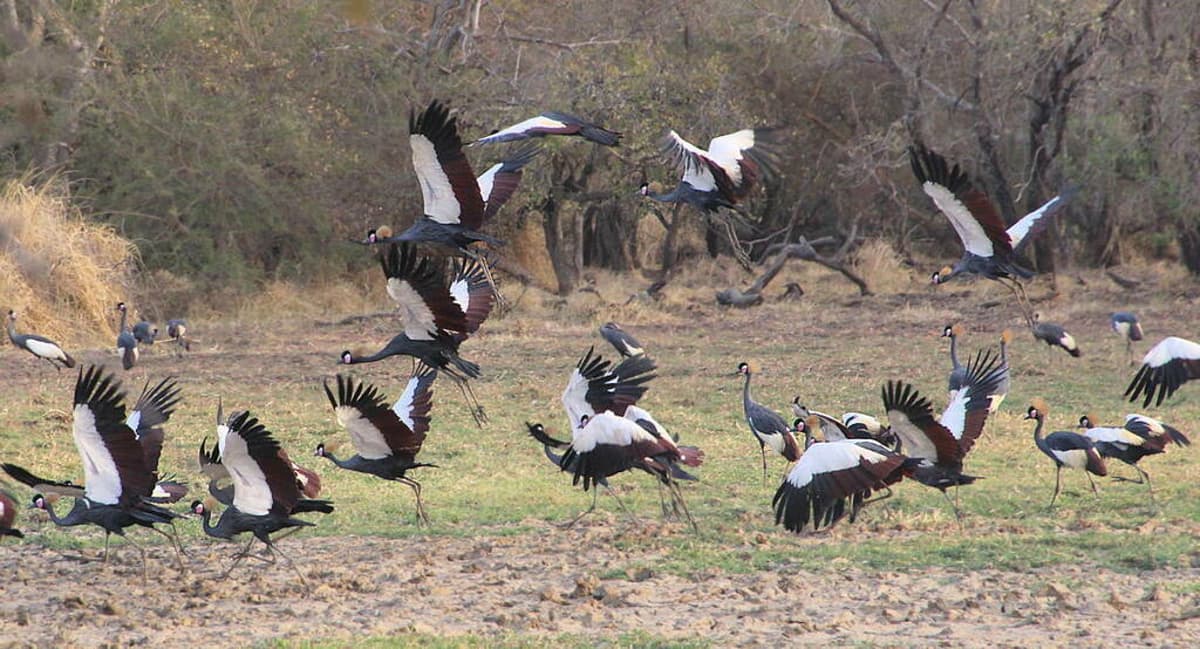
Up to Half the Bird Species Using the African-Eurasian Flyway Are Declining
Why It Matters
The decline threatens biodiversity and ecosystem services across continents, and undermines food security for communities dependent on healthy wetlands. Effective mitigation can safeguard billions of birds and preserve critical habitats.
Key Takeaways
- •40‑50% of African‑Eurasian migratory bird species are declining.
- •Palearctic migrants dropped over 30% in 30 years.
- •Wetland loss, climate change, and infrastructure collisions are primary drivers.
- •Targeted mitigation at wind farms and power lines cuts bird deaths.
Pulse Analysis
The African‑Eurasian flyway is one of the planet’s busiest avian highways, channeling roughly two billion birds each spring and autumn between temperate breeding grounds and African wintering sites. These migrations underpin pollination, pest control, and nutrient cycling across ecosystems, delivering billions of dollars in ecosystem services to agriculture and tourism. Yet the sheer scale of the movement also makes species vulnerable to disturbances that ripple through multiple continents, amplifying the stakes for policymakers and investors alike.
Three interlocking forces are driving the alarming declines. First, wetland conversion for agriculture and urban expansion has erased critical stopover habitats; Lake Chad, for example, has shrunk by 90% since the 1960s, depriving species such as the European roller of essential refuge. Second, climate change is reshaping rainfall patterns, causing early drying of Sahel wetlands and mismatches between bird arrival and peak insect abundance, which weakens breeding success. Third, the rapid rollout of energy infrastructure—high‑voltage power lines and wind farms—creates lethal collision zones for soaring birds, with thousands dying annually along ridge corridors.
Conservationists are responding with data‑driven mitigation. In Egypt’s Gabal‑el Zayt wind farm, real‑time bird detection triggers temporary turbine shutdowns, slashing mortality without compromising grid reliability. Retrofitting power lines in Sudan and Ethiopia with visibility markers and insulated conductors reduces electrocution incidents. Strategic environmental assessments now map high‑risk flyway segments, guiding developers to avoid sensitive zones. Scaling these solutions through regional cooperation and financing mechanisms will be essential to reverse the decline and sustain the ecological and economic benefits that migratory birds provide.
Up to half the bird species using the African-Eurasian flyway are declining
Comments
Want to join the conversation?
Loading comments...