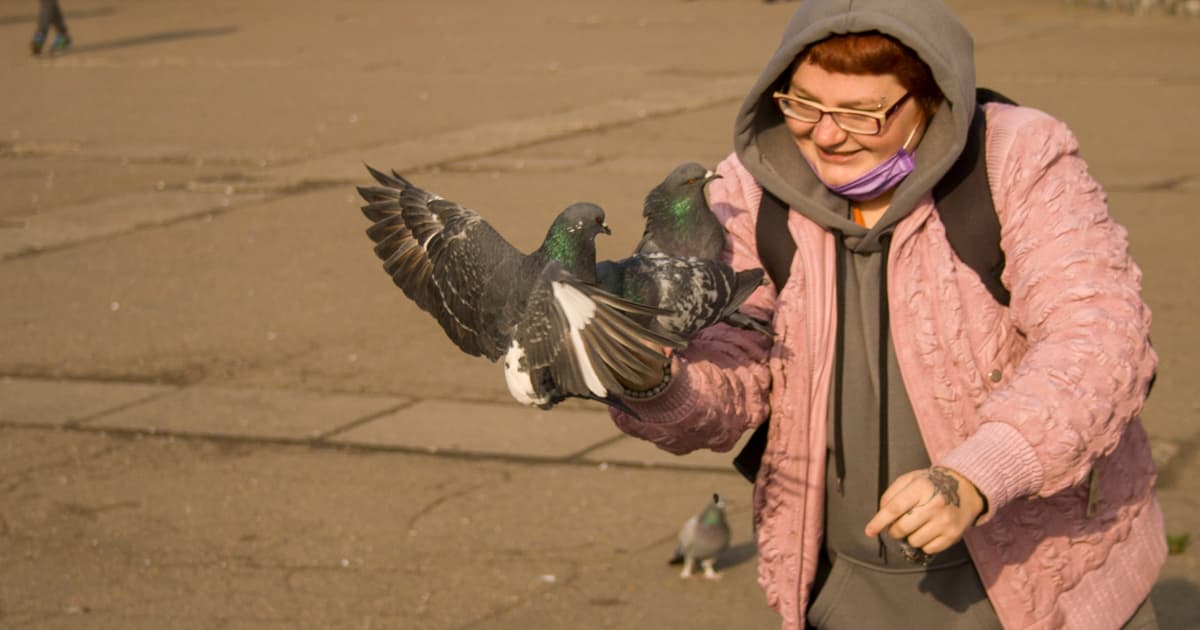
Urban Birds in a New Study Let Men Get About a Metre Closer than Women Before Flying Away, and the Mystery Is Not the Distance Itself but What the Birds Are Seeing in People that People Do Not See in Themselves
Why It Matters
The finding reveals that urban wildlife can discriminate subtle human signals, highlighting a hidden layer of human‑animal interaction that could influence city planning and biodiversity management.
Key Takeaways
- •Birds kept ~1 m farther from women than men across 37 species.
- •Flight initiation distance varied regardless of observer height, clothing, or approach speed.
- •Researchers propose scent, gait, or body shape as possible cues.
- •Study highlights animals detect subtle human signals unknown to us.
- •Findings suggest urban wildlife monitoring can inform city design and behavior.
Pulse Analysis
Flight‑initiation distance (FID) is a cornerstone metric in behavioural ecology, quantifying how close a potential threat can approach before an animal flees. In this cross‑national survey, researchers applied FID to a diverse suite of urban birds, uncovering a consistent sex‑based gap: men were tolerated about a metre closer than women. The robustness of the pattern—spanning 37 species and multiple cities—underscores that the effect is not an artifact of a single species or locale, but a broader ecological signal.
The study stops short of pinpointing why birds react differently to male and female passers‑by. The authors speculate on several untested mechanisms: chemical cues such as pheromones, visual cues like body shape, or dynamic cues such as gait rhythm. Parallel research on laboratory rats shows sex‑specific stress responses tied to scent, suggesting that olfactory or movement cues could be at play. Yet, isolating these variables in a bustling urban environment is methodologically challenging, leaving a fertile ground for future experimental work that could disentangle the sensory pathways involved.
Understanding that city‑dwelling fauna are attuned to subtle human cues has practical implications. Urban planners and wildlife managers might consider how pedestrian flow, clothing norms, or even scent‑based deterrents affect bird behaviour, potentially reducing conflict in public spaces. Moreover, the study invites citizen‑science initiatives to collect larger datasets, refining our grasp of human‑wildlife dynamics. As cities grow, integrating such nuanced ecological insights will be key to fostering coexistence between people and the avian communities that share our streets.
Urban birds in a new study let men get about a metre closer than women before flying away, and the mystery is not the distance itself but what the birds are seeing in people that people do not see in themselves
Comments
Want to join the conversation?
Loading comments...