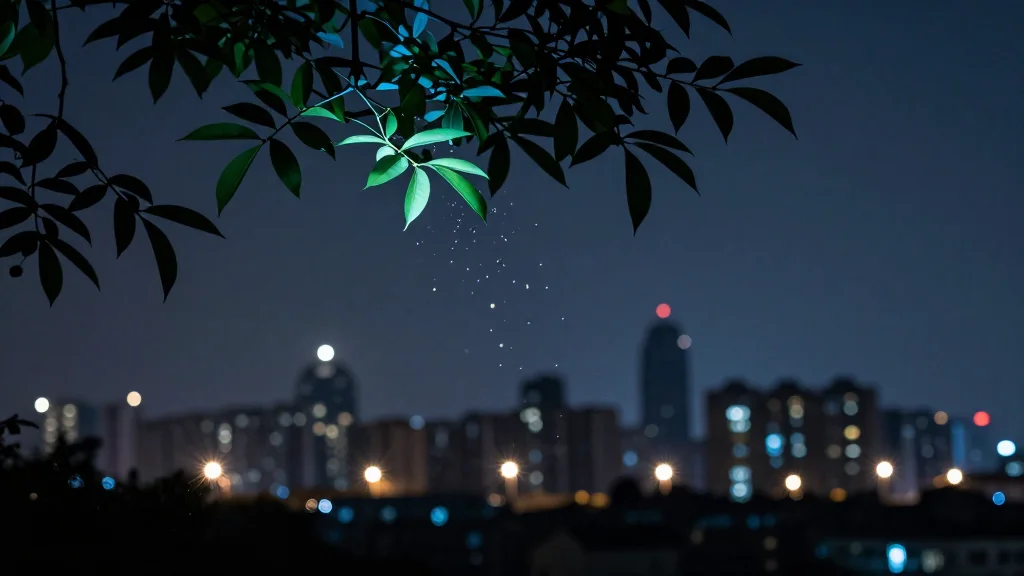
Urban Light Pollution Might Be Worsening Allergies
Why It Matters
The lengthened allergy season adds a hidden public‑health cost to already strained urban healthcare systems and highlights the need for lighting reforms. Reducing skyglow could shorten pollen exposure, improving quality of life for millions of city dwellers.
Key Takeaways
- •Light pollution extends pollen season by up to 130 days.
- •Urban trees release pollen earlier and retain it later.
- •Ragweed thrives under artificial night lighting, boosting allergen load.
- •80% of North Americans cannot see the Milky Way.
- •Longer exposure raises risk of asthma and allergic rhinitis.
Pulse Analysis
Artificial illumination has become a defining feature of modern cities, but its consequences extend far beyond obscuring the night sky. A recent study published in PNAS Nexus examined the U.S. Northeast and found that municipalities with high street‑light intensity cause trees to start pollen production weeks earlier and to continue it well into autumn. The researchers measured a cumulative extension of the allergy season by as much as 130 days in places like New York and Philadelphia. With roughly 80 percent of North Americans unable to see the Milky Way, the scale of light pollution is unprecedented.
Plants rely on photoperiod cues to time flowering, leaf‑out and senescence. When artificial light spills into the night, it tricks the circadian systems of trees and weeds, effectively lengthening the perceived day. The study highlighted ragweed, a notorious allergen, which proliferates under these conditions, producing more pollen and extending its viable season. For humans, prolonged exposure translates into higher incidences of allergic rhinitis, conjunctivitis and asthma exacerbations, especially among vulnerable populations such as children and the elderly. The physiological stress on the immune system compounds the public‑health burden already strained by seasonal spikes.
Cities can curb the allergy‑extending effects of light pollution through targeted lighting policies. Strategies such as dimming streetlights after midnight, using shielded fixtures, and shifting to amber‑rich LEDs reduce skyglow without compromising safety. Municipalities that adopt these measures not only restore visibility of the night sky but also potentially shorten the pollen window, delivering measurable health savings. As climate change already lengthens growing seasons, integrating light‑management into urban planning offers a low‑cost, high‑impact tool for public‑health officials seeking to alleviate the rising burden of respiratory allergies.
Urban Light Pollution Might Be Worsening Allergies
Comments
Want to join the conversation?
Loading comments...