US, China Forge Rival Fusion Chains as Europe Weighs Role
Why It Matters
Fusion promises a transformative energy breakthrough; who controls its supply chain will influence future geopolitical power balances and the West’s energy security.
Key Takeaways
- •China invested $6‑13 billion in fusion infrastructure since 2022.
- •ITER budget now exceeds $24 billion, could reach $65 billion by 2039.
- •US aims to build domestic supply chain, backing private fusion firms.
- •Europe funds 45% of ITER and provides key magnet technology.
- •Fusion race may reshape energy geopolitics and critical material access.
Pulse Analysis
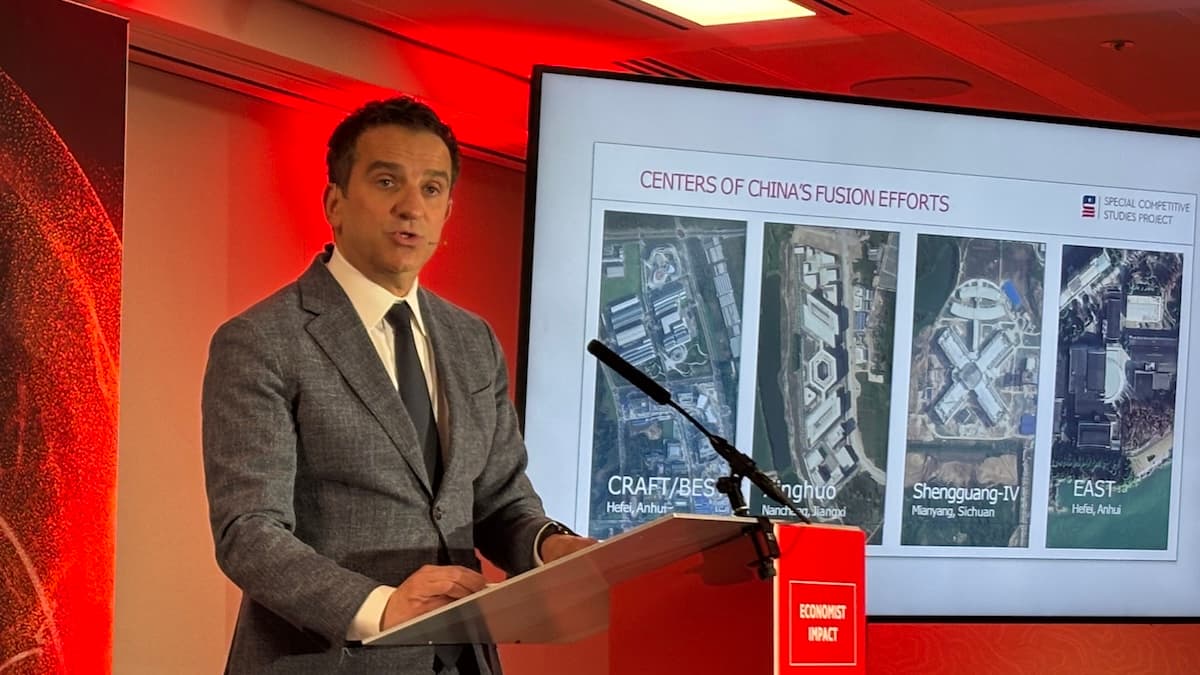
The United States and China are now competing for dominance in fusion energy, a sector that promises virtually limitless, carbon‑free power. Beijing has poured between $6 billion and $13 billion into facilities such as CRAFT, BEST, Xinghuo and EAST, while Washington is scrambling to match that pace through a mix of public funding and private‑sector partnerships. The race is not just about scientific breakthroughs; it hinges on securing critical supply‑chain components—high‑temperature superconductors, gallium, germanium and precision‑manufactured magnets—that will determine who can commercialize a reactor first.
Europe sits at the centre of this contest, contributing roughly 45 % of ITER’s €22 billion (about $25 billion) budget and supplying the superconducting magnet expertise essential for tokamak construction. The ITER project, now projected to cost up to $65 billion by 2039, illustrates both the scale of investment required and the risk of cost overruns. In contrast, the U.S. Department of Energy is betting on a market‑driven model, channeling funds to startups such as Commonwealth Fusion Systems and Xcimer Energy to accelerate domestic capability while reducing reliance on Chinese parts.
The outcome will reverberate far beyond the energy sector. A Chinese lead could give Beijing leverage over critical materials and deepen ties with other non‑Western powers, while a coordinated U.S.–EU effort could preserve a diversified supply chain and reinforce Western strategic autonomy. Policymakers therefore face a choice: treat fusion as a geopolitical battleground and restrict collaboration, or embrace a broader international partnership that includes China to spread risk and speed deployment. The direction taken will shape global energy security for decades to come.
US, China forge rival fusion chains as Europe weighs role
Comments
Want to join the conversation?
Loading comments...