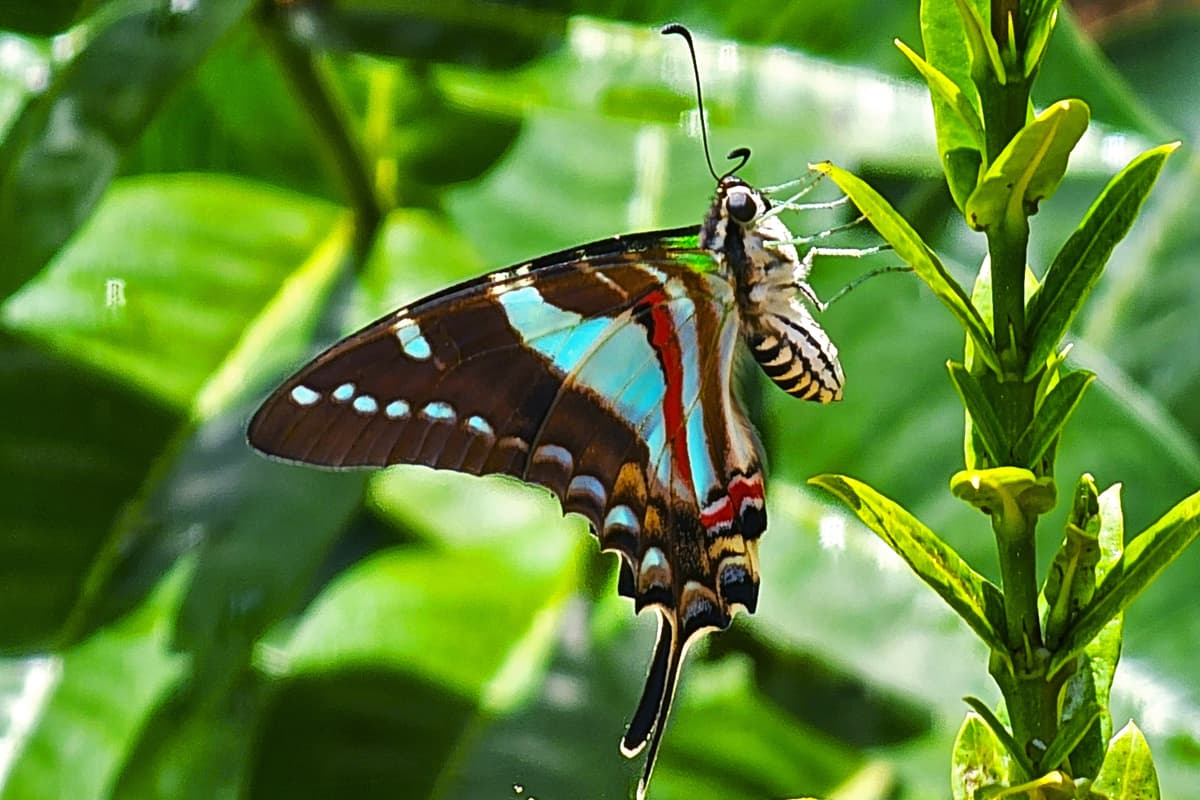
US Proposes Endangered Species Protections for an Imperiled Jamaican Butterfly
Why It Matters
Protecting the kite swallowtail could prevent the extinction of a uniquely Caribbean species and set a precedent for U.S. regulatory action on foreign invertebrates facing trade and climate threats.
Key Takeaways
- •Population dropped from 750,000 to under 250 individuals.
- •Habitat loss shrank breeding sites by ~70% since 1960s.
- •ESA proposal could ban U.S. trade and fund habitat protection.
- •Illegal trade fetches up to $178 per butterfly online.
Pulse Analysis
The Jamaican kite swallowtail (Protographium marcellinus) epitomizes the fragility of island endemics. Once abundant across limestone forests, its numbers have plummeted to a few hundred due to a perfect storm of deforestation, climate extremes and targeted collection for décor. The butterfly’s larvae depend exclusively on black lancewood trees, which are being logged for furniture and charcoal, eroding the species’ already scarce breeding grounds. Recent hurricanes have further damaged the remaining sites, underscoring how climate volatility accelerates biodiversity loss in the Caribbean.
Listing the swallowtail under the Endangered Species Act would be a rare instance of U.S. policy extending protection to a non‑native species. While the ESA has a 12‑year average timeline, the proposal could immediately halt imports and sales of the butterfly in the United States, curbing a lucrative online market where specimens fetch up to $178 each. The measure also signals to funding agencies and NGOs that federal resources may become available for habitat restoration, a critical need given the 70% decline in suitable forest patches since the 1960s.
Beyond the immediate conservation gains, the case highlights a broader shift toward recognizing invertebrates in global trade regulations. With fewer than 70 butterfly species covered by CITES, many vulnerable insects remain unprotected, creating a loophole that the ESA could help close for U.S. consumers. The proposal may inspire similar cross‑border listings, encouraging other nations to adopt proactive measures for species threatened by habitat loss and climate change, and reinforcing the role of the United States as a catalyst for international biodiversity stewardship.
US proposes endangered species protections for an imperiled Jamaican butterfly
Comments
Want to join the conversation?
Loading comments...