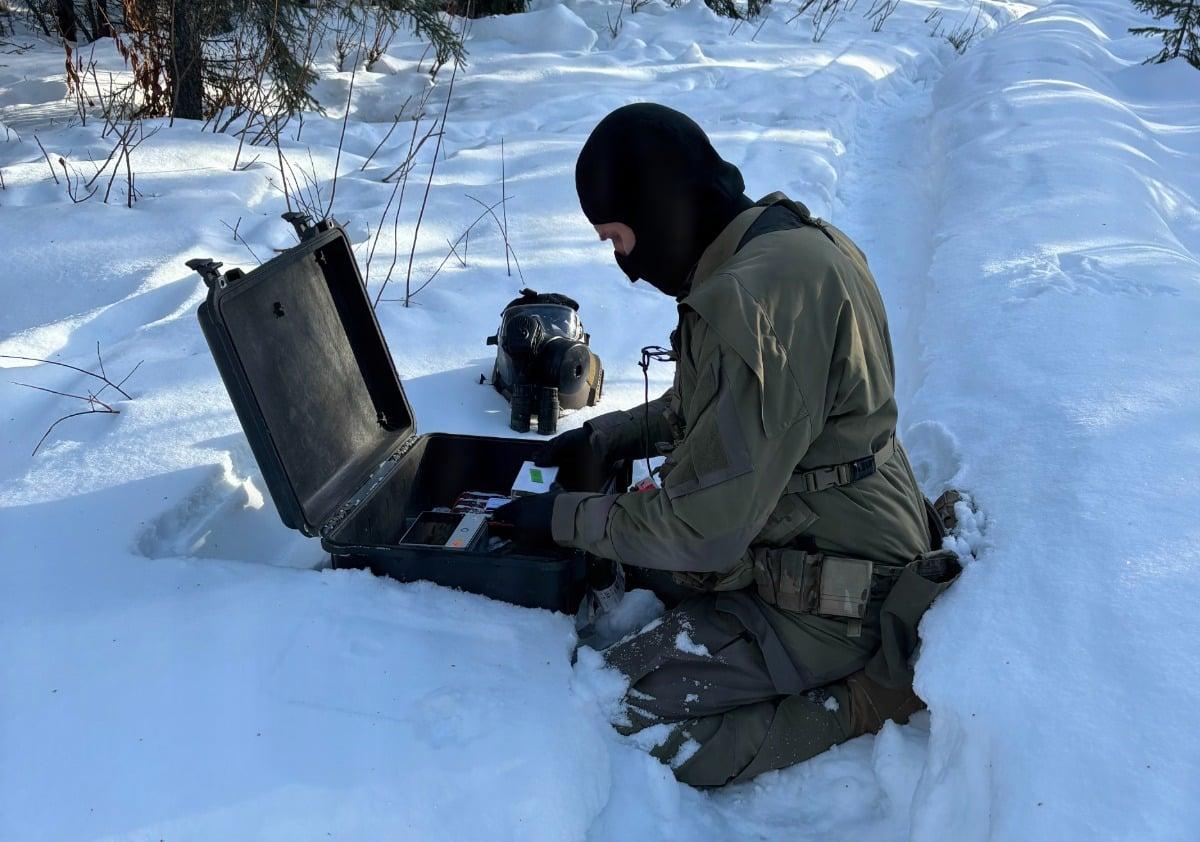
U.S. Troops Can Now Sequence DNA in the Desert, Arctic, or at Sea
Why It Matters
On‑site sequencing gives commanders immediate insight into known and novel biological threats, dramatically improving U.S. forces’ CBRN response and deterrence capabilities.
Key Takeaways
- •FFBS sequences DNA/RNA in under 30 minutes at forward sites.
- •System works in desert, Arctic, and maritime environments.
- •Replaces lab‑only sequencing, detecting unknown or engineered pathogens.
- •Transitioned to CBRN Defense program for Navy, Army, Guard fielding.
- •Training underway for Navy corpsmen and National Guard CBRN teams.
Pulse Analysis
The debut of the Far‑Forward Biological Sequencing (FFBS) platform marks a watershed moment for military bio‑surveillance. Built on the Far‑Forward Advanced Sequencing Technology (F‑FAST) effort, the system compresses a full‑scale genomics laboratory into a rugged, handheld unit. By leveraging nanopore chemistry and on‑board analytics, FFBS can read both DNA and RNA directly from environmental or clinical samples, delivering actionable results in less than half an hour—a timeline previously reserved for well‑equipped labs.
Operationally, the ability to sequence in the field reshapes how the services confront chemical, biological, radiological, and nuclear (CBRN) threats. Unlike rapid antigen tests that only confirm pre‑defined targets, FFBS interrogates the entire genetic code, exposing novel pathogens, engineered strains, or unexpected mutations. Field trials across Desert Ice, Arctic Edge, and RIMPAC demonstrated reliable performance despite temperature extremes and motion, confirming that Navy corpsmen, Army medics, and Guard CBRN teams can trust the data for immediate medical or tactical decisions. This capability closes a critical gap in early warning and reduces the latency between detection and response.
Strategically, the transition of FFBS to a Program of Record signals broader integration across joint forces and hints at spillover benefits for civilian bio‑security. As the Department of Defense scales fielding, commercial partners may adapt the technology for outbreak monitoring, agricultural bio‑security, and rapid diagnostics in remote regions. The move underscores a growing emphasis on resilient, decentralized science capabilities that can outpace adversaries’ biological weapon development while bolstering public‑health readiness.
U.S. troops can now sequence DNA in the desert, Arctic, or at sea
Comments
Want to join the conversation?
Loading comments...