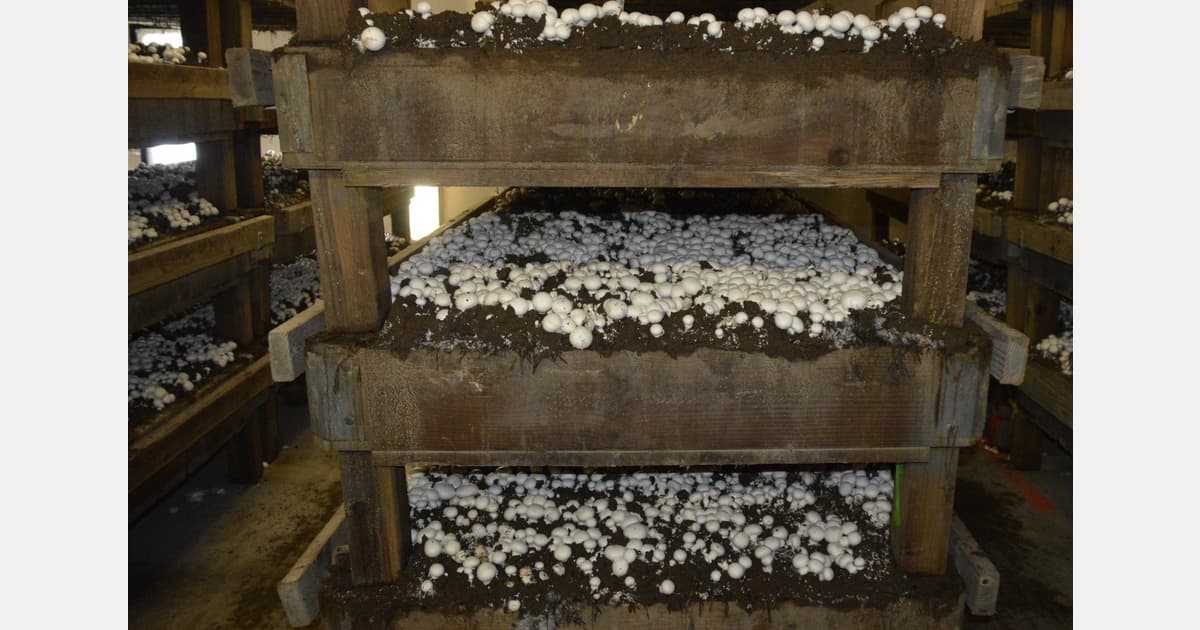
US (WA): Using a Mushroom to Transform Agricultural Waste Into Food
Why It Matters
The breakthrough creates a sustainable, waste‑to‑food loop that boosts food security while reducing environmental impact, offering a replicable model for low‑cost protein production in developing economies.
Key Takeaways
- •Indigenous mushroom Lentinus squarrosulus cultivated on sawdust waste.
- •Study shows waste-to-food pathway reduces agricultural residue and emissions.
- •Year‑round mushroom production offers low‑cost protein for African markets.
- •Cultivation mitigates biodiversity loss by relieving pressure on wild populations.
- •Scalable model could inspire biotech collaborations across developing regions.
Pulse Analysis
The recent presentation at ASM Microbe 2026 spotlights *Lentinus squarrosulus*, an indigenous edible fungus from Eastern Nigeria, as a viable solution to two pressing challenges: agricultural waste disposal and protein scarcity. Researchers demonstrated that the mushroom thrives on locally sourced sawdust—a by‑product that often accumulates in rural processing facilities—by replicating its natural decay environment under controlled conditions. This low‑tech cultivation method transforms a nuisance material into a nutrient‑dense food source, offering a seasonal mushroom year‑round without relying on unpredictable wild harvests.
Beyond the obvious food benefits, the study underscores a broader sustainability narrative. Converting sawdust and other lignocellulosic residues into fungal biomass cuts greenhouse‑gas emissions associated with open‑air decomposition and reduces the fire hazard of piled waste. Moreover, by providing a domesticated supply chain, pressure on wild *L. squarrosulus* populations eases, helping to preserve local biodiversity threatened by deforestation and bush burning. The approach also sidesteps the risk of mushroom poisoning that stems from misidentification in informal markets, enhancing public safety.
For entrepreneurs and policymakers, the findings open a low‑cost biotechnology niche in sub‑Saharan Africa. The production cycle—spanning a few weeks from inoculation to harvest—fits within existing small‑holder frameworks, requiring minimal capital investment and leveraging abundant agricultural residues. Scaling the model could attract impact investors seeking climate‑positive food ventures, while governments may integrate it into waste‑management policies and nutrition programs. As global demand for alternative proteins rises, a domestically cultivated, culturally familiar mushroom like *L. squarrosulus* positions African agrifood sectors to capture emerging market share.
US (WA): Using a mushroom to transform agricultural waste into food
Comments
Want to join the conversation?
Loading comments...