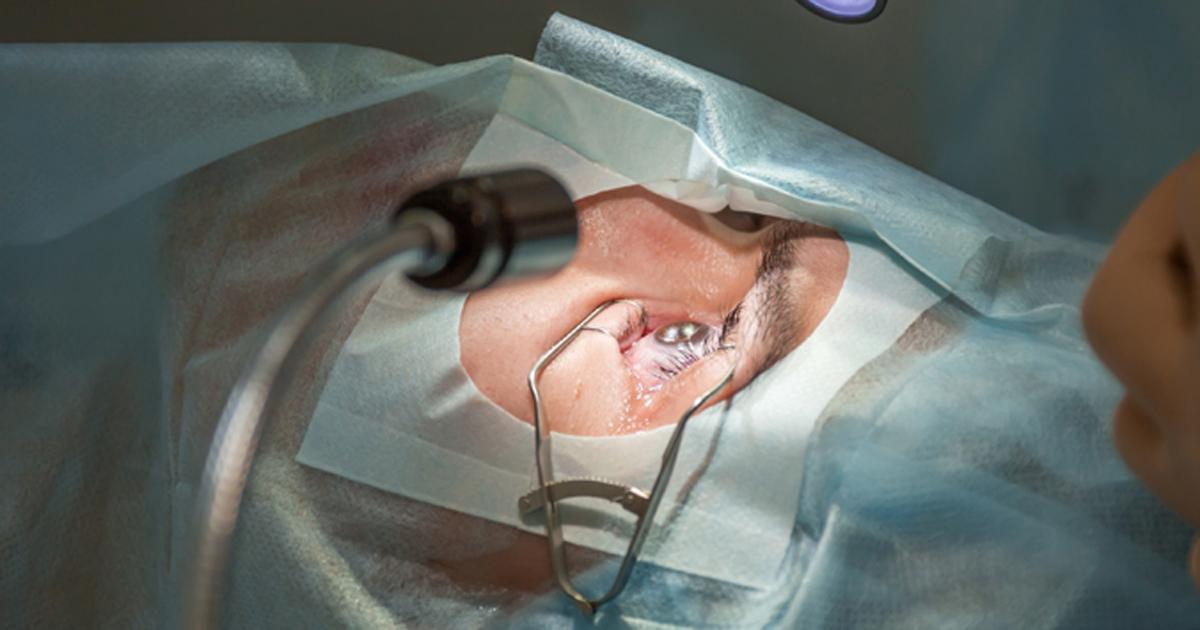
Uveitis Attack History May Predict Cataract Surgery Outcomes
Companies Mentioned
Why It Matters
The study provides a quantifiable metric—uveitis attack count—to guide pre‑operative counseling and surgical strategy, helping reduce steroid‑related complications and improve visual outcomes for a high‑risk patient group.
Key Takeaways
- •More uveitis attacks lengthen postoperative steroid use by ~1.3 days each.
- •Higher attack count correlates with modestly worse post‑surgery visual acuity.
- •Low cumulative dissipated energy techniques may improve outcomes in uveitic eyes.
- •Biologic DMARDs shorten steroid courses, highlighting pre‑op systemic control.
Pulse Analysis
Uveitis, an inflammatory eye condition, is a leading cause of secondary cataract formation, especially in patients with chronic autoimmune disease. When cataract surgery is performed in these eyes, the underlying inflammation can complicate healing, increase intra‑ocular pressure, and delay visual rehabilitation. Historically, ophthalmologists have relied on clinical intuition to gauge risk, but quantitative data linking disease activity to surgical outcomes have been scarce. This new analysis of 54 cases provides concrete evidence that the cumulative inflammatory burden—measured by the number of prior uveitis attacks—directly influences postoperative recovery, offering surgeons a data‑driven tool for risk stratification.
The study’s key finding—that each additional uveitis episode extends topical steroid therapy by about 1.29 days—has practical implications for both patients and clinicians. Prolonged steroid use raises the likelihood of pressure spikes and posterior capsule opacification, potentially necessitating further interventions. Moreover, the modest negative correlation between attack count and best‑corrected visual acuity underscores the importance of minimizing inflammatory memory in ocular tissues. Surgeons can mitigate these risks by selecting energy‑conserving phacoemulsification methods, such as phaco chop, torsional phaco, or femtosecond laser‑assisted nucleus fragmentation, which reduce cumulative dissipated energy and may preserve delicate ocular structures.
Beyond surgical technique, the research highlights the role of systemic immunomodulation. Patients receiving biologic disease‑modifying antirheumatic drugs—particularly anti‑TNF agents—experienced shorter steroid courses, suggesting that optimal control of systemic inflammation before surgery can translate into smoother ocular recovery. This aligns with a growing consensus that multidisciplinary coordination between rheumatologists and ophthalmologists is essential for uveitic patients. As the field moves toward personalized medicine, incorporating uveitis attack history into pre‑operative counseling and planning could become a standard of care, improving outcomes and reducing the long‑term burden of cataract surgery in this vulnerable population.
Uveitis attack history may predict cataract surgery outcomes
Comments
Want to join the conversation?
Loading comments...