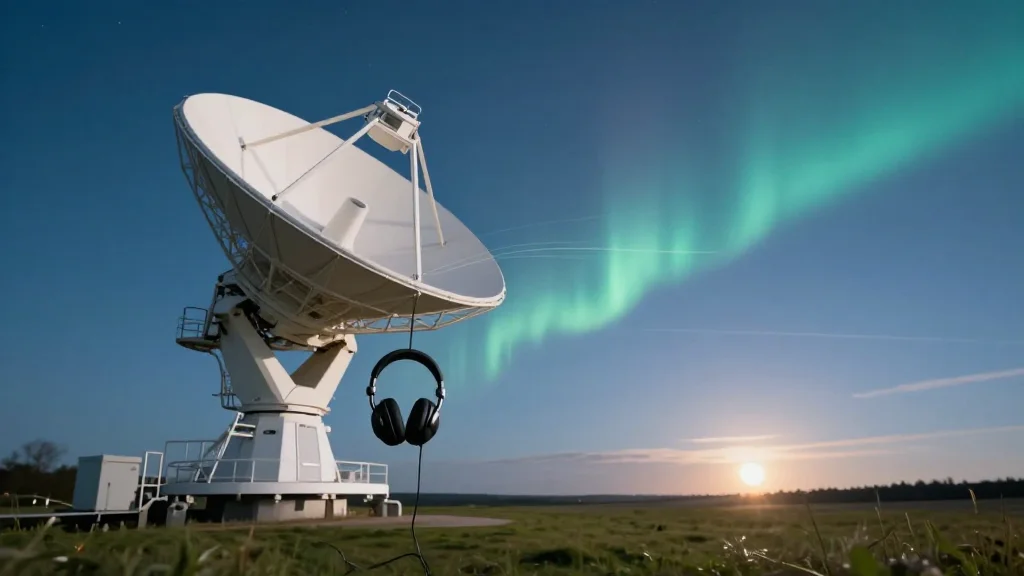
Volunteers Discover Rare Space Weather Events Using Their Ears
Why It Matters
These new detections improve forecasting of geomagnetic storms that threaten power grids and satellite operations, underscoring the strategic value of citizen‑science contributions to space‑weather resilience.
Key Takeaways
- •Volunteers identified over 30 rare solar radio bursts in first six months
- •Auditory analysis caught events missed by automated algorithms
- •Data enriches NASA’s space‑weather models for better storm predictions
- •Program engages thousands, expanding public participation in scientific research
- •Real‑time alerts now incorporate citizen‑flagged events for faster response
Pulse Analysis
Space weather—disturbances driven by solar activity—poses a growing risk to modern infrastructure, from electric utilities to GPS‑dependent logistics. While satellites and ground‑based sensors continuously monitor the Sun, subtle radio signatures can slip past automated filters. Citizen‑science initiatives bridge that gap, turning everyday enthusiasts into a distributed listening network that amplifies detection capability and democratizes scientific discovery.
NASA’s "Volunteers Discover Rare Space Weather Events Using Their Ears" program invites participants to listen to short audio clips of solar radio emissions and flag anomalies. The platform leverages a simple interface: volunteers press a button when they hear a burst that deviates from background noise. In its inaugural six‑month run, more than 3,000 volunteers contributed over 150,000 minutes of listening time, uncovering more than 30 rare bursts that were later confirmed as high‑energy solar flares and coronal mass ejections. These citizen‑reported events have been integrated into NASA’s Space Weather Database, filling gaps left by algorithmic pipelines.
The impact extends beyond academic insight. Accurate, timely space‑weather forecasts help utilities pre‑empt transformer overloads, airlines adjust polar routes, and satellite operators safeguard hardware. By feeding citizen‑flagged events into real‑time alert systems, agencies can issue warnings faster, reducing economic losses from storm‑related outages. The program also cultivates a skilled volunteer base ready to support future missions, suggesting a scalable model where human perception complements machine learning in monitoring our star’s volatile behavior.
Volunteers Discover Rare Space Weather Events Using Their Ears
Comments
Want to join the conversation?
Loading comments...