Why It Matters
If adopted commercially, oyster‑inspired concrete could dramatically lower the construction sector’s carbon footprint while delivering stronger, faster‑curing structures, reshaping material standards in a high‑emission industry.
Key Takeaways
- •Oyster cement mimics calcium carbonate and organic proteins.
- •Lab concrete with oyster additive is 10× stronger than standard.
- •Compressive strength doubled while curing time halved.
- •Recipe uses abundant limestone, reducing reliance on petroleum adhesives.
- •Could lower concrete’s carbon emissions by cutting material waste.
Pulse Analysis
Concrete production accounts for roughly eight percent of global CO₂ emissions, making it a prime target for sustainability breakthroughs. Engineers have experimented with coffee grounds, self‑healing bacteria, and even recycled diapers to reduce the carbon intensity of cement. These efforts reflect a broader industry shift toward circular materials and low‑carbon binders, driven by stricter regulations and investor pressure for greener infrastructure.
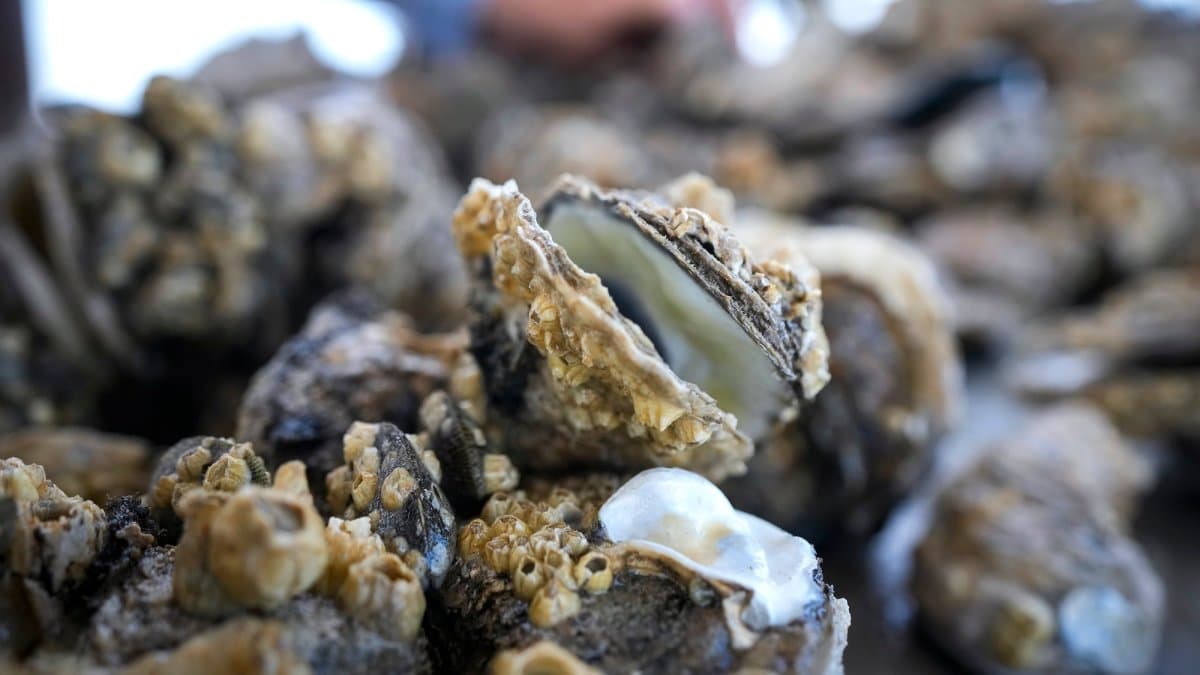
Purdue’s latest study translates the natural adhesive strategy of oysters into a lab‑scale cement. By isolating the calcium carbonate crystals and the sticky phosphorylated proteins oysters secrete, the researchers created a hybrid binder that, when mixed with conventional concrete, yields a composite that is ten times stronger in tensile tests and exhibits double the compressive strength. Moreover, the polymer‑protein matrix accelerates hydration, slashing cure times compared with standard Portland cement mixes. The experimental protocol leverages readily available limestone, sidestepping petroleum‑based adhesives and reducing the overall embodied energy of the material.
The implications for construction are significant. A stronger, faster‑curing concrete could lower the volume of material required for load‑bearing elements, directly cutting emissions associated with raw material extraction and transport. While scaling the oyster‑inspired recipe will demand supply‑chain adjustments and validation under field conditions, the patent‑pending technology positions Purdue at the forefront of bio‑inspired construction materials. If industry adoption follows, the approach could become a cornerstone of next‑generation green building standards, aligning structural performance with climate‑positive goals.
Want stronger concrete? Just add oysters.
Comments
Want to join the conversation?
Loading comments...