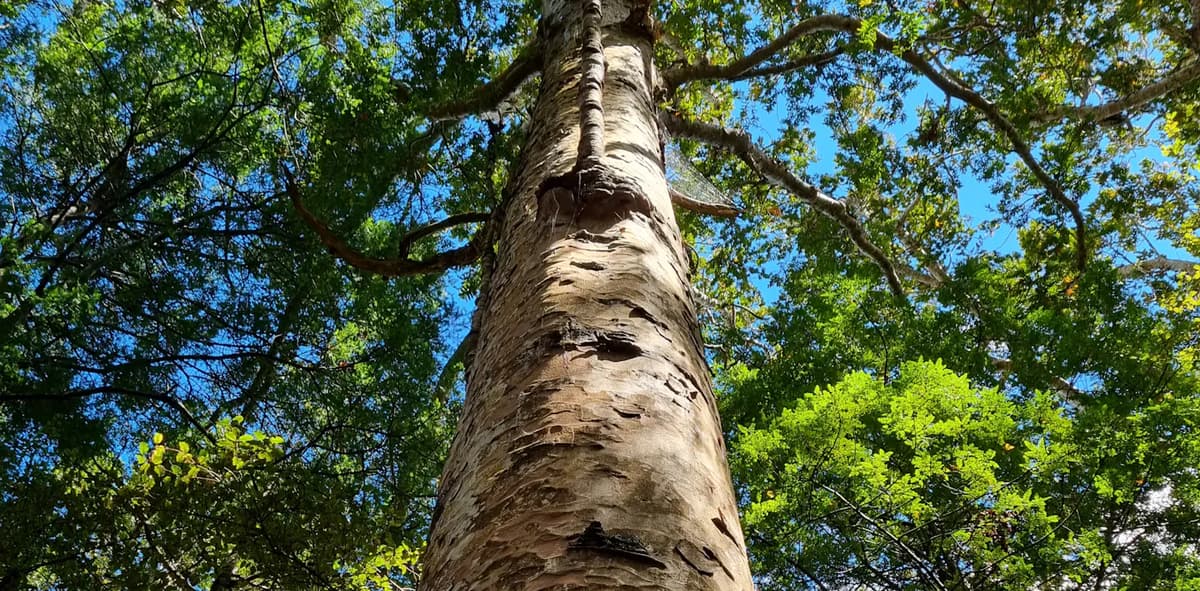
Warming Winters Are Changing NZ’s Landscapes, Bringing Insect Pests, Smaller Fruit and Carbon Loss
Companies Mentioned
Why It Matters
These changes threaten New Zealand’s biodiversity, carbon‑sequestration capacity, and primary‑industry productivity, raising economic and environmental stakes for the region.
Key Takeaways
- •Warmer NZ winters lengthen tree growth, raise respiration, net loss
- •Milder winters let insects survive, raising wasp numbers, crop loss
- •Alpine refuges shrink as invasive mammals and plants move upward
- •Fruit yields drop; breeding needed for climate‑resilient varieties
Pulse Analysis
New Zealand’s winter warming is reshaping forest carbon dynamics in ways that challenge conventional assumptions. While milder temperatures prolong the photosynthetic window for species like kauri, they also accelerate cellular respiration, turning trees from net carbon sinks into modest sources. This dual effect erodes the country’s natural carbon budget and underscores the need for refined forest‑management models that incorporate seasonal respiration spikes alongside growth metrics.
The agricultural and ecological landscape is equally vulnerable as winter‑active insects breach previous climatic barriers. Increased wasp activity, the northward spread of the Queensland fruit fly, and higher parasite loads on livestock illustrate a broader trend of pest proliferation. Simultaneously, invasive mammals and subtropical plants are climbing into alpine zones, compressing habitats for endemic birds such as the kea and rock wren. These “thermal squeeze” dynamics threaten both biodiversity and the productivity of plantation forests, prompting urgent biosecurity and monitoring initiatives.
For growers, the warming trend jeopardizes fruit set and tuber quality in staple crops like apples, avocados, kiwifruit, potatoes and onions. Reduced chilling periods impair spring flowering, leading to smaller, lower‑grade harvests. Breeding programs and gene‑editing technologies are emerging as critical tools to develop climate‑resilient varieties, while novel crops such as bananas present diversification opportunities. Aligning research investment with adaptive horticulture will be essential to safeguard New Zealand’s food supply and export earnings in a hotter future.
Warming winters are changing NZ’s landscapes, bringing insect pests, smaller fruit and carbon loss
Comments
Want to join the conversation?
Loading comments...