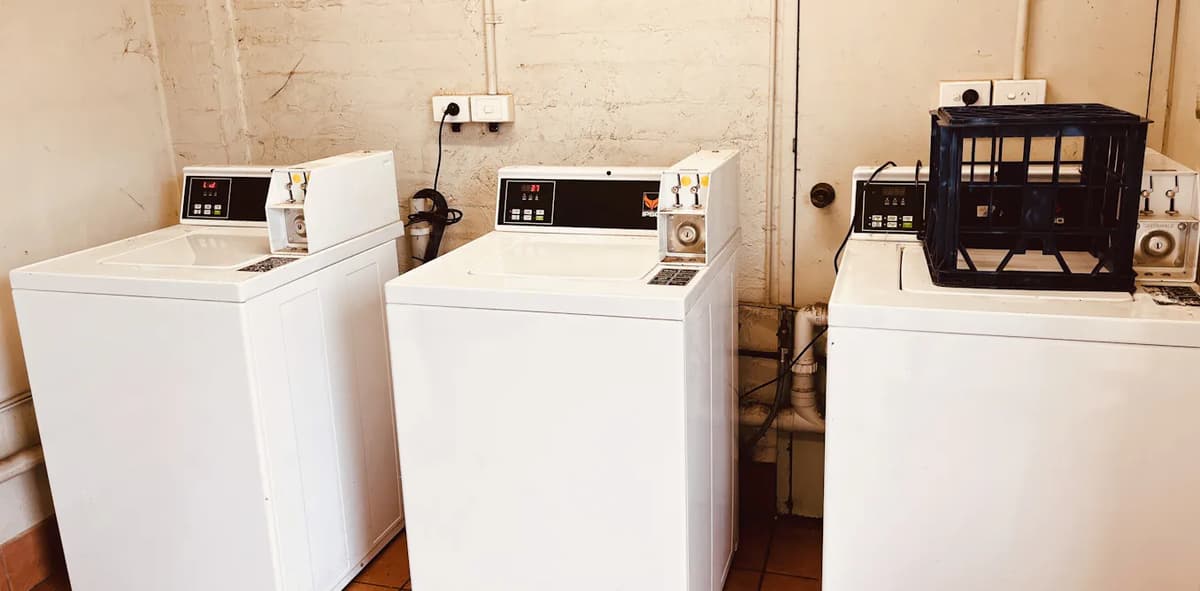
Washing Machines Could Support Skin Health for First Nations People – if We Get the Wash Settings Right
Why It Matters
Effective laundering can cut transmission of diphtheria, Strep A and rheumatic fever, improving health and reducing disability in Indigenous populations.
Key Takeaways
- •60 °C for 15 minutes eliminates studied skin pathogens.
- •Hot‑water caps at 50 °C often insufficient for disinfection.
- •Remote households lack functional machines; up to 70 % without.
- •Federal A$11.4 million (≈US$7.5 million) funds new community laundries.
Pulse Analysis
Skin infections remain a leading cause of morbidity in Australia’s remote First Nations communities, driven by overcrowded housing, limited access to clean water and historic inequities. Conditions such as diphtheria, Strep A‑related rheumatic fever, and severe skin sores not only strain families but also impose costly health system burdens. Public‑health guidelines have long recommended laundering of clothing and bedding, yet the precise wash parameters needed to neutralise the pathogens have been unclear, leaving a critical gap in infection‑control practice.
The new systematic review clarifies that temperature, not detergent type, is the dominant factor: a minimum of 60 °C sustained for at least 15 minutes reliably kills the range of bacteria and parasites examined. Unfortunately, Australian regulations cap hot‑tap water at 50 °C to prevent scalds, and many household machines lack internal heaters, making the recommended cycle difficult to achieve. While activated‑oxygen bleach shows promise at lower temperatures, robust evidence is still lacking. Moreover, heating water and running industrial dryers demand significant electricity, a costly commodity in remote areas where power is often prepaid and rates are high.
Recognising these barriers, the federal government has allocated roughly US$7.5 million to expand community laundry hubs across 38 remote Indigenous settlements. These facilities provide industrial‑grade washers, dryers, and reliable hot water, potentially bridging the gap between guideline and practice. However, without clear standards for operating community laundries and rigorous evaluation of health outcomes, the full impact remains speculative. Policymakers, health agencies, and Indigenous leaders must collaborate to develop evidence‑based protocols, secure sustainable funding, and monitor infection rates, ensuring that improved laundry access translates into measurable reductions in skin disease and associated complications.
Washing machines could support skin health for First Nations people – if we get the wash settings right
Comments
Want to join the conversation?
Loading comments...