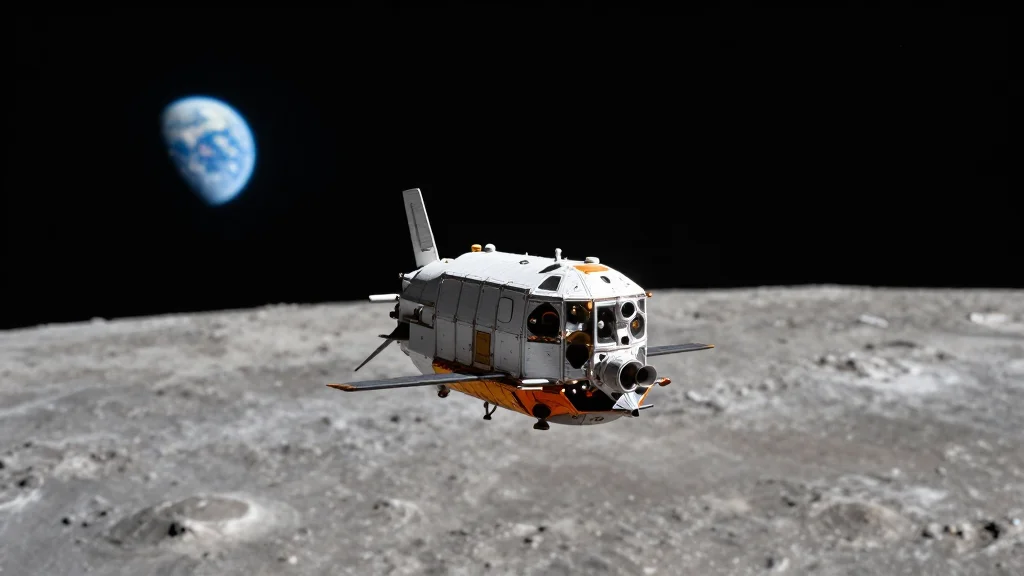
Watch Live—NASA’s Artemis II’s Moon Flyby Is Underway
Why It Matters
The flyby validates Orion’s deep‑space capabilities and provides fresh visual data for lunar science, accelerating NASA’s Artemis program timeline. Demonstrating human presence around the Moon reinforces commercial and geopolitical interest in future lunar outposts.
Key Takeaways
- •Artemis II broke Apollo 13 distance record
- •Crew observed far side, including Orientale Basin
- •First human view of 600‑mile Orientale crater
- •Suggested names Integrity and Carroll for lunar features
- •Solar eclipse observed during communication blackout
Pulse Analysis
The Artemis II mission marks the first crewed venture beyond the Moon since Apollo 17, showcasing NASA’s renewed commitment to deep‑space exploration. By sending four astronauts around the lunar far side, the program tests Orion’s life‑support, navigation, and communications systems under real‑world conditions. Breaking the 1970 Apollo 13 distance record by traveling roughly 4,070 miles from the lunar surface demonstrates the spacecraft’s performance envelope and builds confidence for the upcoming Artemis III landing. This milestone also signals to international partners and commercial stakeholders that the United States is on track to re‑establish a sustainable lunar presence.
During the five‑hour far‑side pass, the crew captured unprecedented visual data of the moon’s albedo, texture, and the massive 600‑mile Orientale Basin, a feature never seen directly by human eyes. Astronauts reported bright, tiny craters that appeared like “lampshade holes,” providing fresh clues about impact processes and surface composition. The mission also included a total solar eclipse, observed while the spacecraft was temporarily out of contact with Earth, adding a rare scientific perspective. In addition, the crew proposed the names Integrity and Carroll for two previously unnamed craters, enriching lunar cartography.
The Artemis II flyby paves the way for Artemis III’s planned landing and the broader Artemis architecture that envisions lunar habitats, in‑situ resource utilization, and commercial rover operations. Data gathered will inform navigation maps, radiation shielding requirements, and surface‑science payload designs, reducing risk for private companies eyeing lunar mining and tourism. By demonstrating reliable crewed deep‑space flight, NASA strengthens its leadership in the emerging space economy, encouraging investment from aerospace firms and fostering international collaboration on future lunar outposts.
Watch live—NASA’s Artemis II’s moon flyby is underway
Comments
Want to join the conversation?
Loading comments...