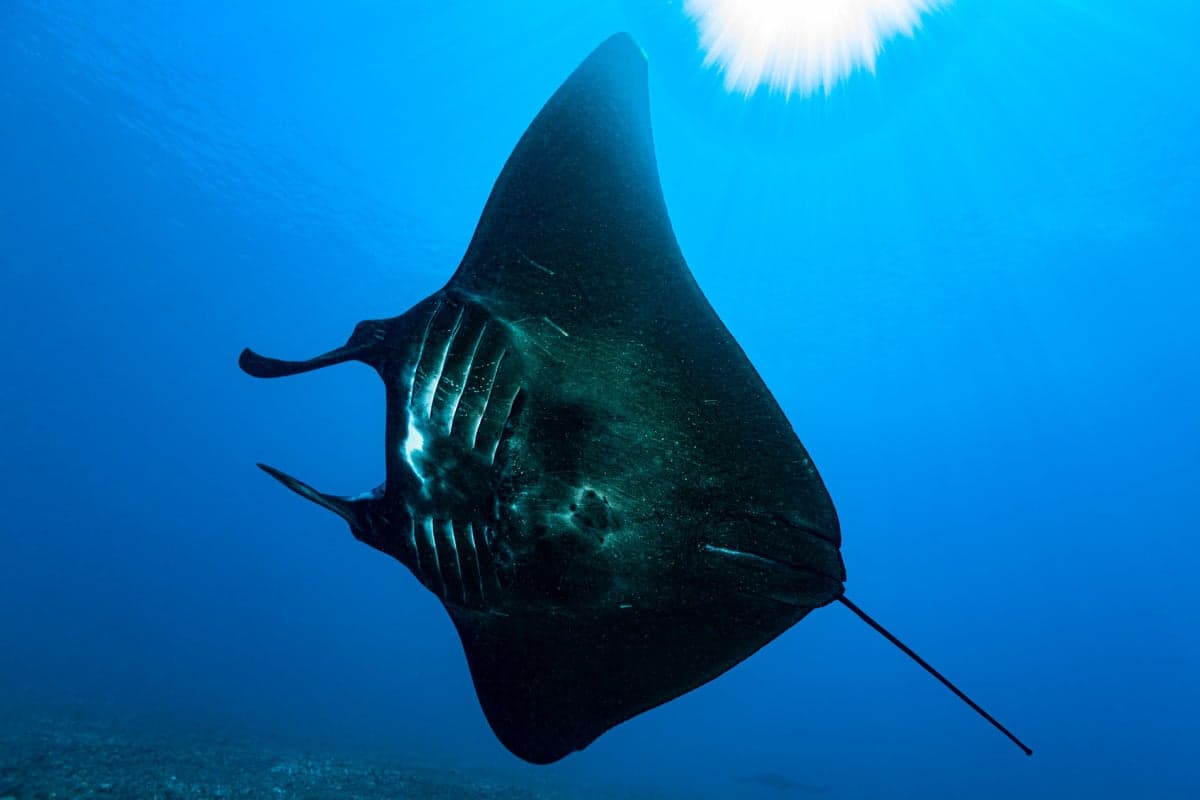
Watch Sharks Use Manta Rays to Scratch Unreachable Itches
Why It Matters
The discovery reveals a novel interspecies cleaning strategy that could reshape our understanding of marine symbiosis and shark health management. It highlights adaptive behavior in response to ecological pressures, informing conservation and fisheries practices.
Key Takeaways
- •Sharks rub manta rays to remove parasites from snout and gills
- •Eight manta‑shark interactions recorded at Revillagigedo between Dec 2024‑Jan 2026
- •Juvenile sharks tolerated; adult mantas fled when approached aggressively
- •Behavior may arise from crowded cleaning stations and trial‑and‑error learning
Pulse Analysis
Parasite load is a critical factor in shark fitness, influencing growth, reproduction, and survival. Traditionally, sharks rely on cleaning stations where small fish, such as wrasses, pick off ectoparasites. These stations, however, can become overcrowded, forcing predators to seek alternative solutions. The recent observations of Galapagos sharks scraping against manta rays add a new dimension to marine cleaning dynamics, suggesting that sharks can exploit the rough, denticle‑covered skin of large pelagics as a self‑service spa.
The documented encounters off the Revillagigedo archipelago show a nuanced interaction: juvenile sharks gently rub the manta's dorsal and ventral surfaces, while adult mantas react defensively, rolling away to avoid potential bites. Researchers attribute the effectiveness of this behavior to the sandpaper‑like texture of manta skin, which dislodges sea lice from the sharks' most vulnerable regions. This adaptive tactic likely emerged from competition at traditional cleaning stations, illustrating a trial‑and‑error learning process that mirrors broader animal problem‑solving strategies.
Understanding this unconventional cleaning partnership expands our knowledge of marine symbiosis and may have practical implications for shark conservation. If manta rays serve as mobile cleaning platforms, protecting their populations could indirectly support shark health, especially in regions where cleaning stations are scarce. Future studies should quantify parasite reduction benefits, assess the frequency of such interactions across species, and explore whether similar behaviors exist with other large filter‑feeders. Such insights could refine ecosystem management approaches, emphasizing the interconnectedness of apex predators and megafauna in maintaining oceanic health.
Watch sharks use manta rays to scratch unreachable itches
Comments
Want to join the conversation?
Loading comments...