Water-Based Nanocrystal Provides a Sticky Solution to a Pesky Agricultural Problem
Why It Matters
By reducing pesticide waste and environmental contamination, the formulation can lower input costs for growers and support stricter sustainability regulations.
Key Takeaways
- •Water‑based CNC formulation boosts leaf adhesion, cuts pesticide runoff
- •Field trials in Singapore showed better pest control with less chemical
- •No solvents used; approach aligns with carbon‑neutral agriculture goals
- •Researchers seek partners to scale commercial production
Pulse Analysis
The agricultural sector has long wrestled with the inefficiency of spray‑based pesticide applications. Conventional formulations rely on organic solvents or surfactants to help droplets cling to the waxy surfaces of leaves, yet a significant portion still bounces, drifts, or washes away. This loss not only inflates farmers’ input costs—often by 10‑20 %—but also contributes to waterway contamination and non‑target organism exposure, prompting tighter environmental regulations worldwide.
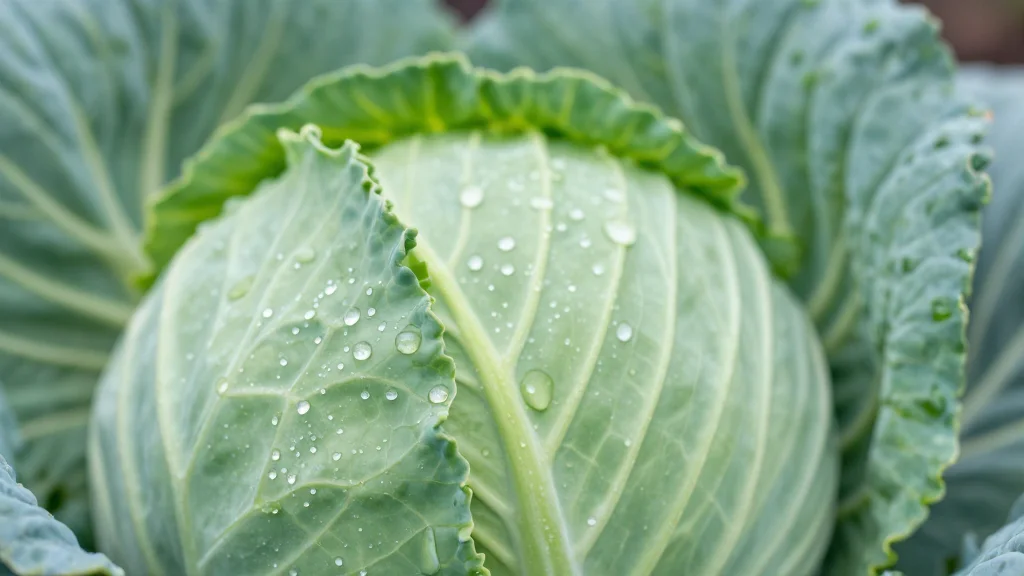
The University of Waterloo’s breakthrough replaces those chemicals with a water‑based suspension of cellulose nanocrystals (CNCs). By engineering the CNC surface to self‑assemble into a nanostructured mesh, the formulation creates a thin, pancake‑like film that absorbs impact energy, suppresses splash, and adheres firmly even under wind and rain. High‑speed imaging confirmed droplets remain intact on hydrophobic cabbage leaves, delivering the active ingredient directly where pests feed. In partnership trials in Singapore, the CNC spray achieved comparable or superior pest control while using up to 30 % less pesticide.
Beyond its environmental credentials, the technology offers a clear business case. Reduced pesticide usage translates into lower raw‑material expenses and fewer re‑applications, improving farm profitability. Because the carrier is derived from renewable cellulose and mixed with water, it sidesteps hazardous‑solvent handling and storage requirements, easing compliance for growers and distributors. As the industry seeks carbon‑neutral solutions, investors are eyeing scalable nanomaterial platforms. Waterloo’s team is now courting industrial partners to pilot larger fields, a step that could accelerate adoption across commodity crops and reshape the pesticide market.
Water-based nanocrystal provides a sticky solution to a pesky agricultural problem
Comments
Want to join the conversation?
Loading comments...