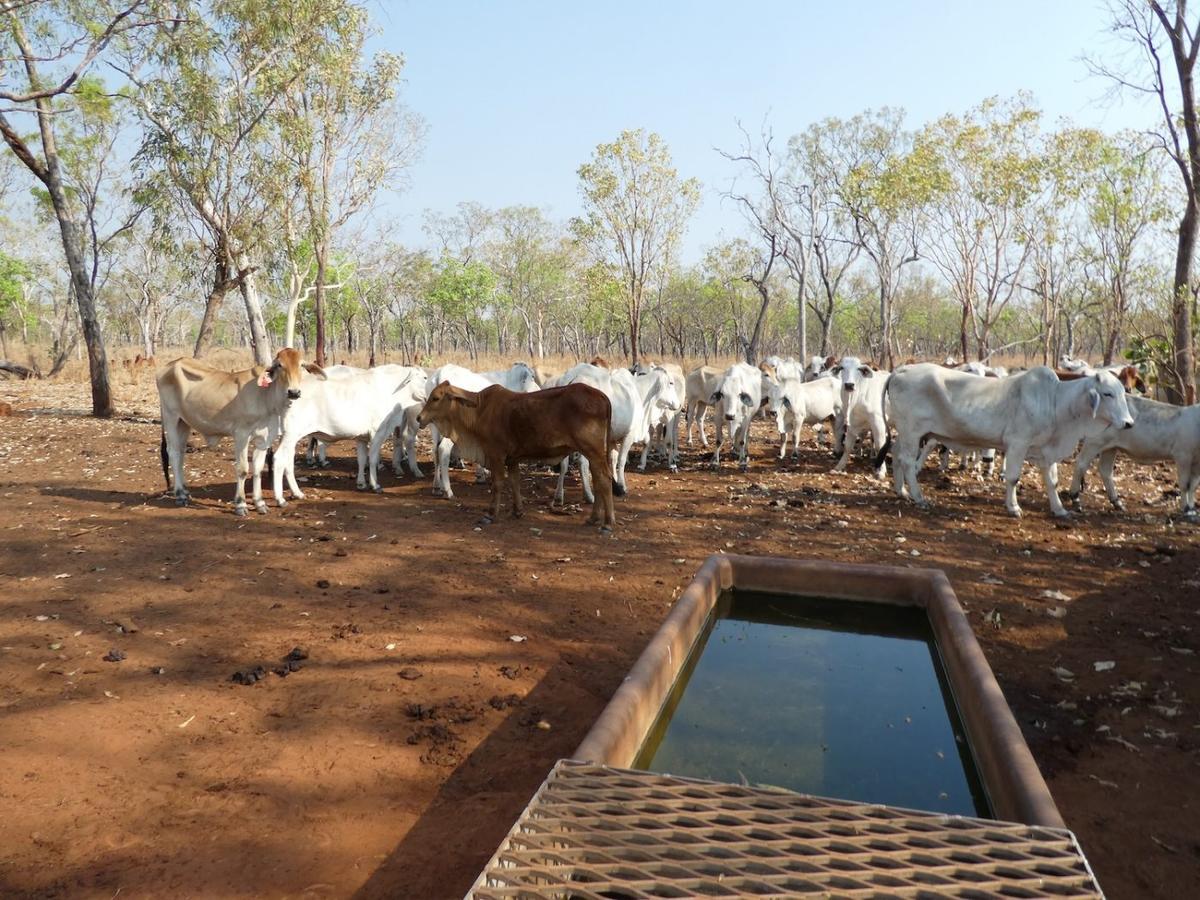
Water Troughs Could Become Frontline Defence in Early Disease Detection
Why It Matters
Early, low‑cost detection of disease agents at shared water points can curb outbreaks before they spread, protecting the cattle industry’s productivity and Australia’s biosecurity reputation.
Key Takeaways
- •eNA testing of water troughs detects bacterial and viral signatures
- •Syringe filters are most practical; cartridge filters offer higher sensitivity
- •Method provides herd‑level early warning where individual sampling is impractical
- •Low‑cost approach enables producer‑led surveillance in extensive grazing systems
- •Complements existing diagnostics to avoid false positives and regulatory risk
Pulse Analysis
Biosecurity officials have long grappled with the challenge of monitoring disease in Australia’s vast, remote cattle operations. Traditional surveillance relies on sampling individual animals, a costly and logistically daunting task across the northern outback. By turning to environmental DNA—specifically eNA fragments shed into shared water sources—researchers can capture a snapshot of herd health without handling each animal, offering a scalable solution for early pathogen detection.
The Charles Darwin University trial evaluated four eNA collection techniques in Brahman cattle paddocks, confirming that all methods retrieved microbial and viral genetic material from trough water. Syringe filters emerged as the most user‑friendly and affordable, while cartridge filters delivered deeper microbial diversity and sensitivity. Importantly, the study demonstrated that even asymptomatic animals contribute detectable DNA, turning water troughs into passive sentinel sites that continuously monitor herd‑level disease risk.
For producers, the low‑cost, easy‑to‑deploy nature of eNA testing opens the door to industry‑led surveillance programs that complement government biosecurity frameworks. By providing an early warning signal, water‑trough monitoring can trigger targeted confirmatory testing, reducing false‑positive alarms and limiting unnecessary trade restrictions. As Australia seeks to safeguard its livestock exports, integrating eNA surveillance into existing diagnostic pathways could become a critical layer of defense against foot‑and‑mouth, lumpy skin and emerging viral threats.
Water troughs could become frontline defence in early disease detection
Comments
Want to join the conversation?
Loading comments...