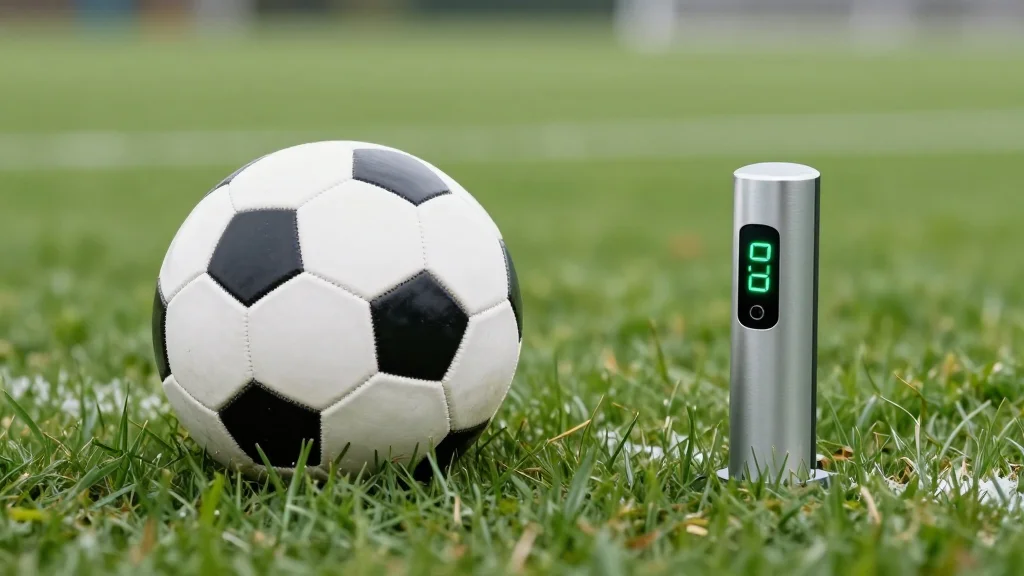
We Designed the Turf for Soccer’s Biggest World Cup Ever – Here’s How We Created the Same Playing Experience Across 3 Countries
Why It Matters
Uniform, high‑performance playing surfaces reduce injury risk and preserve match quality, a critical factor for the sport’s most lucrative tournament. The innovation also sets a new benchmark for large‑scale, multi‑climate stadium turf management.
Key Takeaways
- •Hybrid carpet turf meets FIFA’s ball‑bounce and hardness standards
- •84% Kentucky bluegrass/16% ryegrass mix improves early‑season strength
- •Plastic‑fiber reinforcement creates a durable, green‑looking surface
- •Sod grown on plastic can be rolled, shipped, and installed quickly
Pulse Analysis
The 2026 FIFA World Cup will span three countries and 16 venues, presenting an unprecedented turf challenge. Traditional sod, harvested from native soil, often suffers root shock that can delay establishment for weeks—unacceptable when matches may begin within ten days of installation. To solve this, researchers adopted a plastic‑tray growing method, allowing roots to interlace and stay intact during harvest. By blending fast‑germinating perennial ryegrass with Kentucky bluegrass in an 84/16 ratio, the team created a sod that establishes quickly while maintaining the cool‑season resilience needed for domed stadiums.
Beyond the seed mix, the project introduced a hybrid carpet system that embeds colored plastic fibers into the grass matrix. As roots grow, they wrap around these fibers, delivering a surface that resists wear, maintains consistent ball roll, and stays visually green even under heavy use. Extensive testing of eight carpet prototypes confirmed compliance with FIFA’s stringent performance metrics, including ball bounce, rotational resistance, and surface hardness. This technology, previously limited to the 2023 Women’s World Cup, now underpins the men’s tournament, marking a significant step forward in sports‑field engineering.
Logistically, the sod will be rolled from farms and shipped in refrigerated trucks to stadiums across North America. The intact root systems survive long hauls, ensuring the grass is match‑ready upon arrival. By standardizing playing conditions across diverse climates—from the heat of Mexico City to the cool air of Boston—the initiative safeguards player safety, enhances spectator experience, and showcases a scalable model for future multi‑venue events worldwide.
We designed the turf for soccer’s biggest World Cup ever – here’s how we created the same playing experience across 3 countries
Comments
Want to join the conversation?
Loading comments...